Category: HISTORY

  • Here’s a list of African countries with the most water coverage

    Here’s a list of African countries with the most water coverage


    In Africa, some countries have significant water coverage due to lakes, rivers, wetlands, and coastal access. Here’s a list of African countries with the most water coverage, ranked based on the percentage of their total land area covered by water or significant water bodies:


    1. Uganda

    • Water Coverage: ~18% of total area.
    • Key Water Bodies:
      • Lake Victoria (shared with Tanzania and Kenya): The second-largest freshwater lake in the world by surface area.
      • Lake Kyoga, Lake Albert, and Lake Edward.
      • The Nile River originates from Lake Victoria.
    • Significance: Uganda is one of Africa’s most water-rich countries.

    2. Democratic Republic of Congo (DRC)

    • Water Coverage: ~4% of total area.
    • Key Water Bodies:
      • The Congo River, the second-longest river in Africa, with an extensive basin.
      • Numerous lakes, including Lake Tanganyika (shared with other countries), Lake Edward, and Lake Mai-Ndombe.
    • Significance: The DRC has one of the largest freshwater reserves in Africa.

    3. Malawi

    • Water Coverage: ~20% of total area.
    • Key Water Bodies:
      • Lake Malawi (Lake Nyasa): Covers a significant portion of the country and is one of the African Great Lakes.
      • Smaller rivers and wetlands contribute to the country’s water richness.
    • Significance: Lake Malawi is a UNESCO World Heritage site known for its biodiversity.

    4. Tanzania

    • Water Coverage: ~6% of total area.
    • Key Water Bodies:
      • Lake Victoria (partially shared), Lake Tanganyika, and Lake Nyasa (Malawi).
      • Rivers like the Rufiji River and coastal access to the Indian Ocean.
    • Significance: Tanzania’s lakes and coastline make it a water-abundant country.

    5. Kenya

    • Water Coverage: ~2.3% of total area.
    • Key Water Bodies:
      • Part of Lake Victoria, Lake Turkana, and Lake Naivasha.
      • Numerous rivers, including the Tana River.
    • Significance: Kenya is home to both freshwater and alkaline lakes, making its water systems diverse.

    6. Nigeria

    • Water Coverage: ~3% of total area.
    • Key Water Bodies:
      • The Niger River and Benue River are major water systems.
      • Numerous lakes, wetlands, and deltas, including the Niger Delta, one of the world’s largest river deltas.
    • Significance: Nigeria’s rivers support agriculture, fishing, and hydropower.

    7. Botswana

    • Water Coverage: ~6% of total area.
    • Key Water Bodies:
      • The Okavango Delta, one of the world’s largest inland deltas, is a UNESCO World Heritage site.
      • Seasonal rivers and wetlands, such as the Chobe River.
    • Significance: The Okavango is crucial for wildlife and tourism.

    8. Zambia

    • Water Coverage: ~5% of total area.
    • Key Water Bodies:
      • Major rivers include the Zambezi River and Luangwa River.
      • Lakes such as Lake Tanganyika, Lake Kariba, and Lake Mweru.
    • Significance: Zambia’s water resources are key to its ecosystems and hydropower.

    9. South Sudan

    • Water Coverage: ~5% of total area.
    • Key Water Bodies:
      • The White Nile passes through the country.
      • The Sudd Wetland, one of the largest freshwater wetlands in the world.
    • Significance: The wetlands are vital for biodiversity and local livelihoods.

    10. Mozambique

    • Water Coverage: ~2.2% of total area.
    • Key Water Bodies:
      • The Zambezi River and its delta.
      • Coastal waters and the Indian Ocean.
      • Lakes such as Lake Cahora Bassa and Lake Malawi (shared).
    • Significance: Mozambique’s coastline and river systems are vital for agriculture and fishing.

    11. Rwanda

    • Water Coverage: ~8% of total area.
    • Key Water Bodies:
      • Numerous lakes, including Lake Kivu, Lake Muhazi, and Lake Rweru.
      • Many small rivers and wetlands.
    • Significance: Rwanda’s high-altitude lakes are critical for energy and tourism.

    12. Ethiopia

    • Water Coverage: ~0.7% of total area (smaller percentage but significant water systems).
    • Key Water Bodies:
      • The Blue Nile, Awash River, and Lake Tana (source of the Blue Nile).
    • Significance: Ethiopia is a water tower for East Africa despite a smaller overall percentage.

    Summary Table of Water Coverage in Key African Countries:

    Country % Water Area Key Features
    Uganda ~18% Lake Victoria, Nile River
    Malawi ~20% Lake Malawi, rivers
    DRC ~4% Congo River, Lake Tanganyika
    Tanzania ~6% Lakes Victoria, Tanganyika, and Malawi
    Kenya ~2.3% Lake Victoria, Lake Turkana
    Nigeria ~3% Niger River, Benue River, Niger Delta
    Botswana ~6% Okavango Delta, Chobe River
    Zambia ~5% Zambezi River, Lake Tanganyika, Lake Kariba
    South Sudan ~5% White Nile, Sudd Wetland
    Mozambique ~2.2% Zambezi Delta, Indian Ocean
    Rwanda ~8% Lake Kivu, rivers

    These countries are rich in freshwater and coastal resources, making them vital for ecosystems, agriculture, and economic activities
  • African countries with the most desert area

    African countries with the most desert area


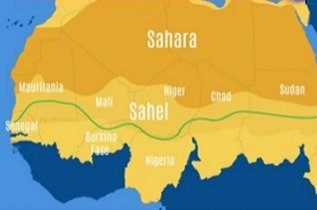
    Africa is home to some of the largest and most famous deserts in the world, including the Sahara, the Kalahari, and the Namib. Below is a list of African countries with the most desert area:


    1. Algeria

    • Desert: Sahara Desert.
    • Percentage of Desert Land: Over 80% of Algeria is covered by the Sahara Desert.
    • Details:
      • Algeria has vast stretches of sand dunes (ergs), rocky plateaus (hamadas), and barren landscapes.
      • The Grand Erg Occidental and Grand Erg Oriental are major features.

    2. Libya

    • Desert: Sahara Desert.
    • Percentage of Desert Land: Around 90% of Libya is desert.
    • Details:
      • Libya’s desert landscape includes the Libyan Desert, part of the greater Sahara.
      • Features include the Ubari Sand Sea and the Acacus Mountains.

    3. Egypt

    • Desert: Sahara Desert.
    • Percentage of Desert Land: Approximately 96% of Egypt is desert.
    • Details:
      • Includes the Eastern Desert, Western Desert, and parts of the Libyan Desert.
      • Famous for oases like Siwa and the White Desert.

    4. Sudan

    • Desert: Sahara Desert.
    • Percentage of Desert Land: Over 50% of Sudan is desert.
    • Details:
      • The Nubian Desert is a prominent part of Sudan’s desert landscape.
      • Northern Sudan is dominated by arid and semi-arid regions.

    5. Chad

    • Desert: Sahara Desert.
    • Percentage of Desert Land: About 55% of Chad is desert.
    • Details:
      • The northern part of Chad is dominated by the Sahara.
      • Includes the Tibesti Mountains and the Ennedi Plateau.

    6. Niger

    • Desert: Sahara Desert.
    • Percentage of Desert Land: Over 80% of Niger is desert.
    • Details:
      • The Tenere Desert is a major part of Niger’s desert landscape.
      • Known for vast sand dunes and rock formations.

    7. Mali

    • Desert: Sahara Desert.
    • Percentage of Desert Land: Around 65% of Mali is desert.
    • Details:
      • The northern region of Mali, including Timbuktu, lies in the Sahara.
      • Includes the Adrar des Ifoghas mountain range.

    8. Mauritania

    • Desert: Sahara Desert.
    • Percentage of Desert Land: Over 75% of Mauritania is desert.
    • Details:
      • Features the Adrar Plateau and sand dunes.
      • Includes barren landscapes stretching into Western Sahara.

    9. Morocco

    • Desert: Sahara Desert.
    • Percentage of Desert Land: Approximately 25% of Morocco is desert.
    • Details:
      • Southern Morocco features the Sahara Desert.
      • Known for its rocky and sandy desert landscapes, including the Erg Chebbi dunes.

    10. Namibia

    • Desert: Namib Desert and Kalahari Desert.
    • Percentage of Desert Land: About 45% of Namibia is desert.
    • Details:
      • The Namib Desert is one of the oldest deserts in the world.
      • The Kalahari Desert covers parts of eastern Namibia.

    11. Botswana

    • Desert: Kalahari Desert.
    • Percentage of Desert Land: Approximately 70% of Botswana is covered by the Kalahari.
    • Details:
      • Features semi-arid conditions and unique wildlife adapted to desert living.

    12. South Africa

    • Desert: Kalahari Desert and Namib Desert.
    • Percentage of Desert Land: About 7% of South Africa is desert.
    • Details:
      • The Kalahari extends into the northern parts of South Africa.
      • The Namib Desert edges into the western regions.

    13. Tunisia

    • Desert: Sahara Desert.
    • Percentage of Desert Land: Around 40% of Tunisia is desert.
    • Details:
      • The southern region is dominated by the Sahara.
      • Features include the Chott el Jerid salt flats.

    14. Western Sahara

    • Desert: Sahara Desert.
    • Percentage of Desert Land: Nearly 100% desert.
    • Details:
      • Dominated by arid landscapes and dunes.
      • Political disputes over its territory exist.

    15. Eritrea

    • Desert: Danakil Desert.
    • Percentage of Desert Land: Around 30% of Eritrea is desert.
    • Details:
      • Features one of the hottest and harshest desert regions in the world.

    Summary Table of Key Deserts:

    Country Major Desert % Desert Area
    Algeria Sahara 80%+
    Libya Sahara 90%
    Egypt Sahara 96%
    Sudan Sahara 50%+
    Chad Sahara 55%
    Niger Sahara 80%+
    Mali Sahara 65%
    Mauritania Sahara 75%+
    Morocco Sahara 25%+
    Namibia Namib, Kalahari 45%
    Botswana Kalahari 70%
    South Africa Kalahari, Namib 7%
    Tunisia Sahara 40%
    Western Sahara Sahara ~100%
    Eritrea Danakil 30%

    These countries highlight Africa’s diverse desert landscapes, from the vastness of the Sahara to the unique ecosystems of the Namib and Kalahari deserts. Let me know if you’d like more detailed information about any of these deserts.

  • African musicians with the most sold-out shows

    African musicians with the most sold-out shows


    African musicians have gained global recognition for their talent and ability to sell out major shows and venues. Here’s a list of African musicians with the most sold-out shows:


    1. Burna Boy (Nigeria)

    • Achievements:
      • First African artist to sell out Madison Square Garden (MSG) in New York (20,789 capacity) in 2022.
      • Sold out London’s O2 Arena (20,000 capacity) in 2021.
      • Sold out Paris Accor Arena (20,300 capacity) multiple times.
      • Performed at sold-out stadiums, including London Stadium (80,000 capacity) in 2023.
    • Significance: Burna Boy’s “Love, Damini” tour elevated him as a global Afrobeats icon.

    2. Wizkid (Nigeria)

    • Achievements:
      • First African artist to headline and sell out London’s O2 Arena three nights in a row in 2021.
      • Sold out the Accor Arena in Paris and Madison Square Garden in 2022.
      • Sold out Ziggo Dome in Amsterdam and other venues worldwide.
    • Significance: Known for elevating Afrobeats and collaborating with international stars.

    3. Davido (Nigeria)

    • Achievements:
      • Sold out London’s O2 Arena (20,000 capacity) in 2019.
      • Sold out venues in North America, Europe, and Africa during his “Timeless Tour” in 2023.
      • Known for his vibrant stage presence and consistent ticket demand globally.
    • Significance: A pioneer in Afrobeats with massive appeal across continents.

    4. Tiwa Savage (Nigeria)

    • Achievements:
      • Sold out Indigo at the O2 in London (2018).
      • Performs in sold-out shows across Europe, North America, and Africa.
    • Significance: The “Queen of Afrobeats” is one of Africa’s leading female artists.

    5. Diamond Platnumz (Tanzania)

    • Achievements:
      • Sold out stadiums across East Africa, including venues in Kenya, Rwanda, and Tanzania.
      • Sold out international venues in Europe, the Middle East, and the U.S.
    • Significance: A Bongo Flava star with a massive fan base.

    6. Fally Ipupa (Democratic Republic of Congo)

    • Achievements:
      • Sold out Paris Accor Arena (20,300 capacity) multiple times.
      • Performs sold-out shows across Europe, the U.S., and Africa.
    • Significance: Known for his electrifying performances and Rumba music.

    7. Angélique Kidjo (Benin)

    • Achievements:
      • Sells out theaters and concert halls worldwide, including the Carnegie Hall and Royal Albert Hall.
      • Multiple Grammy Award winner with international acclaim.
    • Significance: A global ambassador for African music and culture.

    8. Sauti Sol (Kenya)

    • Achievements:
      • Sold out shows across Africa, Europe, and North America.
      • Notable performances at festivals like Global Citizen and Afropunk.
    • Significance: Renowned for their harmonies and energetic stage presence.

    9. Youssou N’Dour (Senegal)

    • Achievements:
      • Sells out arenas in Africa, Europe, and North America.
      • Performs globally, showcasing Senegalese mbalax music.
    • Significance: An African music legend with decades of international influence.

    10. Black Coffee (South Africa)

    • Achievements:
      • Sells out major venues and clubs globally, including Hï Ibiza in Spain and arenas in the U.S.
      • Known for headlining international music festivals.
    • Significance: A world-renowned DJ and electronic music producer.

    11. Master KG (South Africa)

    • Achievements:
      • Sold out shows globally following the success of “Jerusalema.”
      • Performs at packed venues in Europe, the Americas, and Africa.
    • Significance: A global phenomenon with crossover appeal.

    12. Miriam Makeba (South Africa)

    • Achievements:
      • Sold out venues worldwide during her peak years, including in Europe and the U.S.
    • Significance: A pioneer in African music on the global stage.

    13. Kizz Daniel (Nigeria)

    • Achievements:
      • Sold out venues during his “Afroclassic World Tour” (2022).
      • Popular for his hit singles like “Buga” and “Cough.”
    • Significance: Rising as a top Afrobeats performer globally.

    14. P-Square (Nigeria)

    • Achievements:
      • Sold out shows across Africa, Europe, and North America during their prime.
      • Known for iconic tours before and after their reunion in 2022.
    • Significance: Among Africa’s most celebrated musical duos.

    15. Sarkodie (Ghana)

    • Achievements:
      • Sells out venues in Ghana, Europe, and the U.S.
      • Known for his lyrical prowess and strong stage presence.
    • Significance: A leader in African hip-hop.
  • musicians and artists globally renowned for having the most sold-out shows

    musicians and artists globally renowned for having the most sold-out shows


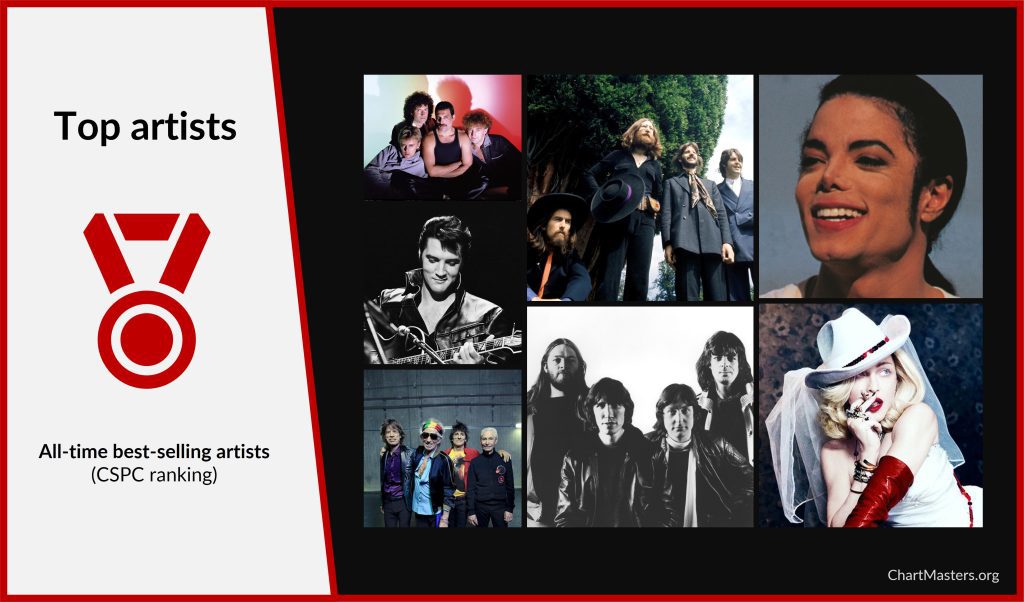
    Here is a list of musicians and artists globally renowned for having the most sold-out shows across their careers. These artists have established massive fan bases, toured extensively, and created global phenomena with their concerts.


    1. Elton John

    • Achievement: The “Farewell Yellow Brick Road” tour (2018–2023) is the highest-grossing tour in history at over $939 million.
    • Details:
      • Elton John has sold out venues worldwide over decades.
      • His farewell tour alone had over 300 sold-out shows, making it one of the most successful in history.

    2. Taylor Swift

    • Achievement: The “Eras Tour” (2023–2024) is setting records for sold-out stadiums globally.
    • Details:
      • Swift’s ticket demand is unprecedented, with sold-out shows across the U.S., Europe, and Asia.
      • She’s credited with filling venues for multiple consecutive nights in large stadiums like SoFi Stadium in Los Angeles.

    3. The Beatles

    • Achievement: Known for selling out entire stadiums in the 1960s during their tours.
    • Details:
      • The Beatles famously sold out Shea Stadium in New York (1965) in under 20 minutes.
      • Their tours solidified the concept of stadium shows for music.

    4. BTS

    • Achievement: The South Korean group has set numerous records for sold-out shows globally.
    • Details:
      • BTS sold out Wembley Stadium (UK) for two nights in 2019 within 90 minutes.
      • Their tours in the U.S., Europe, and Asia routinely break records for ticket sales.

    5. Ed Sheeran

    • Achievement: The “Divide Tour” (2017–2019) became the second highest-grossing tour in history ($776 million).
    • Details:
      • Sheeran performed in over 250 shows, many of which were sold out.
      • Known for his simplicity, Sheeran fills massive venues with just his guitar and loop pedal.

    6. Michael Jackson

    • Achievement: The “King of Pop” consistently sold out stadiums globally during his tours.
    • Details:
      • His “Bad World Tour” (1987–1989) and “Dangerous World Tour” (1992–1993) drew millions.
      • The planned “This Is It” residency (2009) sold out 50 shows in hours before his untimely death.

    7. Beyoncé

    • Achievement: Known for dominating tours with record-breaking sellouts.
    • Details:
      • The “Renaissance World Tour” (2023) was a sold-out phenomenon globally.
      • Her “On The Run II Tour” (with Jay-Z) grossed over $250 million with sold-out stadiums.

    8. U2

    • Achievement: U2’s “360° Tour” (2009–2011) held the record for highest-grossing tour ($736 million) until Ed Sheeran’s “Divide Tour.”
    • Details:
      • The band has consistently sold out stadiums globally for decades.

    9. Madonna

    • Achievement: The “Queen of Pop” has one of the most successful touring careers of all time.
    • Details:
      • Madonna’s “Sticky & Sweet Tour” (2008–2009) grossed over $408 million, with nearly all shows sold out.
      • She has a reputation for filling venues in Europe, North America, and Latin America.

    10. Coldplay

    • Achievement: Their “Music of the Spheres World Tour” (2022–2023) and previous tours are among the most in-demand globally.
    • Details:
      • Coldplay consistently sells out massive stadiums, including multiple nights at iconic venues like Wembley Stadium.

    11. The Rolling Stones

    • Achievement: Decades of sold-out shows across the globe.
    • Details:
      • Their “A Bigger Bang Tour” (2005–2007) grossed over $558 million.
      • The band continues to sell out arenas and stadiums even after 60 years in the industry.

    12. Drake

    • Achievement: Drake is one of the most successful hip-hop touring artists.
    • Details:
      • His tours, including “It’s All a Blur Tour” (2023), sell out arenas across North America, Europe, and more.
      • He’s known for dominating ticket sales in urban music markets.

    13. Adele

    • Achievement: Adele is known for her limited but massively successful tours.
    • Details:
      • Her residency at The Colosseum at Caesars Palace in Las Vegas (“Weekends With Adele”) has been sold out for months.
      • Previous tours, like “Adele Live,” have also seen overwhelming demand.

    14. Celine Dion

    • Achievement: Her Las Vegas residencies (2003–2007, 2011–2019) are among the most successful concert runs in history.
    • Details:
      • She has sold over 4.5 million tickets during her residency, breaking records for ticket demand.

    15. Rammstein

    • Achievement: The German metal band is famous for selling out massive venues worldwide.
    • Details:
      • Their 2019–2023 European stadium tours saw demand so high that multiple additional dates were added to nearly every city.

    16. Rihanna

    • Achievement: Rihanna’s tours have consistently sold out in North America, Europe, and beyond.
    • Details:
      • Her “ANTI World Tour” (2016) sold out major arenas and stadiums globally.

    17. Bruce Springsteen

    • Achievement: Known for his marathon shows and loyal fanbase.
    • Details:
      • Springsteen’s tours have sold out iconic venues like Madison Square Garden and Wembley Stadium for decades.

    18. Justin Bieber

    • Achievement: Bieber’s “Purpose World Tour” (2016–2017) and subsequent tours have sold out major arenas globally.
    • Details:
      • The “Justice World Tour” also saw strong ticket demand, although it was later canceled due to health issues.

    19. Harry Styles

    • Achievement: Styles has emerged as one of the top touring artists globally.
    • Details:
      • His “Love on Tour” (2021–2023) sold out multiple nights at venues like Wembley Stadium and Madison Square Garden.

    20. Pink

    • Achievement: Known for high-energy performances and acrobatics, Pink has consistently sold out tours.
    • Details:
      • Her “Beautiful Trauma World Tour” (2018–2019) grossed over $397 million with countless sold-out shows.


  • Africa countries with the most forest lands

    Africa countries with the most forest lands


    Africa is home to some of the world’s most extensive and diverse forests, ranging from tropical rainforests to dry woodlands. Forested lands play a critical role in biodiversity, climate regulation, and providing livelihoods for millions. Below is a list of African countries with significant forest cover:


    1. Democratic Republic of the Congo (DRC)

    • Forest Land Area: Over 1.5 million km² (largest in Africa).
    • Key Forests:
      • Congo Basin Rainforest: The second-largest tropical rainforest in the world.
      • Salonga National Park and Virunga National Park.
    • Significance: A biodiversity hotspot, home to gorillas, chimpanzees, and okapi. Plays a critical role in absorbing carbon dioxide.

    2. Gabon

    • Forest Land Area: Approximately 85% of the country is forested.
    • Key Forests:
      • Loango National Park and Ivindo National Park.
    • Significance: Gabon’s forests are part of the Congo Basin and are crucial for carbon storage and biodiversity.

    3. Cameroon

    • Forest Land Area: Over 46% of the country (around 220,000 km²).
    • Key Forests:
      • Congo Basin and Korup National Park.
    • Significance: Known for timber exports and rich biodiversity, including forest elephants and gorillas.

    4. Republic of the Congo

    • Forest Land Area: Approximately 65% of the country is forested.
    • Key Forests:
      • Odzala-Kokoua National Park.
    • Significance: Part of the Congo Basin, these forests are vital for carbon storage and habitat for endangered species.

    5. Central African Republic (CAR)

    • Forest Land Area: Over 36% of the country (mainly in the south).
    • Key Forests:
      • Dzanga-Sangha Forest Reserve.
    • Significance: Home to unique species like forest elephants and pangolins.

    6. Côte d’Ivoire

    • Forest Land Area: Approximately 10-20%, with significant deforestation over the decades.
    • Key Forests:
      • Taï National Park and Banco National Park.
    • Significance: Hosts remnants of the Upper Guinean Rainforest, a critical biodiversity area.

    7. Ghana

    • Forest Land Area: About 20% of the country.
    • Key Forests:
      • Ankasa Conservation Area and Kakum National Park.
    • Significance: Part of the West African rainforest belt, known for timber and cocoa farming impacts.

    8. Liberia

    • Forest Land Area: Over 40% of the country.
    • Key Forests:
      • Sapo National Park.
    • Significance: Contains some of the last remaining parts of the Upper Guinean Rainforest.

    9. Madagascar

    • Forest Land Area: Approximately 20%, though heavily threatened by deforestation.
    • Key Forests:
      • Rainforests of Atsinanana and Masoala National Park.
    • Significance: Unique biodiversity with endemic species like lemurs, chameleons, and baobab trees.

    10. Mozambique

    • Forest Land Area: Around 40% of the country is forested.
    • Key Forests:
      • Miombo woodlands and Gorongosa National Park.
    • Significance: Known for tropical hardwoods and diverse ecosystems.

    11. Tanzania

    • Forest Land Area: Approximately 40% of the country.
    • Key Forests:
      • Eastern Arc Mountains, Selous Game Reserve, and Mount Kilimanjaro forests.
    • Significance: Miombo woodlands dominate, alongside coastal and montane forests.

    12. Angola

    • Forest Land Area: About 47% of the country.
    • Key Forests:
      • Miombo woodlands and Mayombe Forest.
    • Significance: Rich in tropical hardwoods and a critical carbon sink.

    13. Zambia

    • Forest Land Area: Around 66% of the country.
    • Key Forests:
      • Miombo woodlands and Kafue National Park.
    • Significance: Home to critical woodlands supporting diverse wildlife and rural livelihoods.

    14. Guinea

    • Forest Land Area: Around 26% of the country.
    • Key Forests:
      • Ziama and Mount Nimba forest reserves.
    • Significance: Part of the Upper Guinean Forest, hosting rare plant and animal species.

    15. South Sudan

    • Forest Land Area: Over 37% of the country.
    • Key Forests:
      • Boma National Park and Bandingilo National Park.
    • Significance: Rich in savannah woodlands and tropical forests.

    16. Equatorial Guinea

    • Forest Land Area: About 58% of the country.
    • Key Forests:
      • Monte Alen National Park.
    • Significance: Pristine rainforests with diverse flora and fauna.

    17. Uganda

    • Forest Land Area: Around 24% of the country.
    • Key Forests:
      • Bwindi Impenetrable Forest and Mabira Forest.
    • Significance: Home to mountain gorillas and other endangered species.

    18. Sierra Leone

    • Forest Land Area: Approximately 28% of the country.
    • Key Forests:
      • Gola Rainforest National Park.
    • Significance: Critical for biodiversity and environmental conservation.

    19. Ethiopia

    • Forest Land Area: Around 15%, but heavily impacted by deforestation.
    • Key Forests:
      • Bale Mountains and Harenna Forest.
    • Significance: Montane forests with unique endemic species.

    20. Malawi

    • Forest Land Area: About 34% of the country.
    • Key Forests:
      • Mulanje Mountain Forest Reserve and Nyika National Park.
    • Significance: Miombo woodlands and montane forests dominate.

    Challenges Facing African Forests:

    1. Deforestation: Driven by agriculture, logging, and urbanization.
    2. Climate Change: Impacts rainfall patterns and forest health.
    3. Illegal Logging: Threatens biodiversity and sustainability.
    4. Conservation Needs: Many forests are underprotected and vulnerable to exploitation.
  • Here are examples of industries and roles where African women are excelling in traditionally male-dominated jobs

    Here are examples of industries and roles where African women are excelling in traditionally male-dominated jobs


    Across Africa, women are increasingly breaking traditional gender stereotypes by pursuing jobs historically dominated by men. This shift is driven by social progress, education, empowerment initiatives, and the growing need for gender equality in workplaces. Here are examples of industries and roles where African women are excelling in traditionally male-dominated jobs:


    1. Construction and Engineering

    • Women are increasingly taking on roles as civil engineers, architects, site supervisors, and construction workers.
    • Examples:
      • Nigeria: Women like Temitope Ogunsemo and Olajumoke Akinwunmi are making waves in architecture and real estate development.
      • South Africa: Organizations like “Women in Construction” are empowering women to work on construction sites.

    2. Military and Security

    • Many African countries are integrating women into their armed forces, police, and private security sectors.
    • Examples:
      • Rwanda: Women make up a significant portion of the military and police force.
      • Nigeria: Women like Major General Aderonke Kale, the first female two-star general, have paved the way in military leadership.
      • South Africa: Women serve as combat soldiers and peacekeepers.

    3. Truck Driving and Transportation

    • Women are entering roles as truck drivers, bus drivers, and taxi operators, traditionally dominated by men.
    • Examples:
      • Kenya and Uganda: Women truck drivers, like those supported by initiatives such as the “Women in Logistics and Transport” program, are taking on long-distance haulage.
      • South Africa: Female Uber and Bolt drivers are becoming increasingly common.
      • Nigeria: Women like Bolanle Akingbade are making headlines as commercial bus drivers.

    4. Mining

    • African women are working in mining industries as geologists, engineers, and even miners in artisanal mining setups.
    • Examples:
      • South Africa: Women work in mines across gold, diamond, and platinum sectors, supported by gender inclusion policies.
      • Zimbabwe: Women are entering gold and diamond mining, breaking cultural taboos.
      • Ghana: Women are active in the small-scale gold mining industry.

    5. Technology and IT

    • Women are taking up roles in coding, software development, cybersecurity, and other tech jobs traditionally seen as male-dominated.
    • Examples:
      • Nigeria: Women like Funke Opeke (CEO of MainOne) are leaders in tech infrastructure.
      • Kenya: Tech hubs like iHub in Nairobi are promoting women coders and developers.
      • Tunisia: Women are making significant strides in robotics and AI industries.

    6. Piloting and Aviation

    • African women are becoming pilots, aviation engineers, and air traffic controllers.
    • Examples:
      • Ethiopia: Ethiopian Airlines has featured all-female flight crews, including pilots, cabin crew, and technicians.
      • South Africa and Nigeria: Female pilots like Captain Irene Koki Mutungi (Kenya Airways) and Captain Chinyere Kalu (Nigeria’s first female pilot) are leading examples.
      • Ghana: The first female military pilot, Melody Millicent Danquah, paved the way for other women in aviation.

    7. Mechanics and Auto Repair

    • Women are entering the field of auto mechanics, repairing and maintaining cars, motorcycles, and heavy-duty vehicles.
    • Examples:
      • Nigeria: Sandra Aguebor, known as the “Lady Mechanic,” trains women to become auto mechanics.
      • South Africa: Programs like “Female Mechanics for Change” encourage women in automotive trades.

    8. Fishing and Agriculture

    • Women are participating in large-scale farming, livestock rearing, and fishing, sectors traditionally dominated by men.
    • Examples:
      • Ghana and Senegal: Women are prominent in fish farming and processing.
      • Kenya: Women are leading agribusiness ventures, including cash crop farming and dairy farming.

    9. Heavy Machinery Operation

    • Women are now operating heavy machinery such as cranes, bulldozers, and tractors on construction sites and in farming.
    • Examples:
      • Botswana: Women operate heavy equipment in mining and construction industries.
      • Tanzania: Women in farming communities use tractors and other advanced farming tools.

    10. Sports and Coaching

    • Women are breaking into traditionally male-dominated sports as players, coaches, and referees.
    • Examples:
      • Nigeria: Chioma Ajunwa became the first African woman to win an Olympic gold medal in a field event (long jump).
      • South Africa: Women are officiating football matches and coaching men’s teams.

    11. Maritime and Shipping

    • Women are becoming ship captains, sailors, and maritime engineers.
    • Examples:
      • South Africa: Khomotso Phihlela is one of the country’s first female harbor pilots.
      • Nigeria: Women are entering the maritime industry through initiatives like WIMAFRICA (Women in Maritime Africa).

    12. Politics and Leadership

    • Women are taking leadership roles in politics, governance, and diplomacy.
    • Examples:
      • Liberia: Ellen Johnson Sirleaf was Africa’s first elected female president.
      • Ethiopia: Sahle-Work Zewde is the country’s first female president.
      • Nigeria: Ngozi Okonjo-Iweala became the first female Director-General of the World Trade Organization (WTO).

    Challenges Faced:

    1. Cultural Barriers: Traditional gender roles may discourage women from pursuing these jobs.
    2. Workplace Discrimination: Women often face biases and lack equal pay in male-dominated fields.
    3. Safety Concerns: Security risks in industries like trucking or mining can be a deterrent.

    Support and Progress:

    • Empowerment Programs: NGOs, governments, and private organizations are providing training and mentorship.
    • Legislation: Gender-inclusive policies are helping to open up opportunities for women.
    • Role Models: Pioneering women in these fields inspire others to follow their paths.


  • Here are some of the cities with the most working-class women in Africa,

    Here are some of the cities with the most working-class women in Africa,


    Cities across Africa have vibrant economies, diverse industries, and a growing number of working-class women actively participating in the labor force. Here are some of the cities with the most working-class women in Africa, based on economic opportunities, urbanization, and women’s inclusion in the workforce:


    1. Lagos, Nigeria

    • Why Notable:
      • As Africa’s largest city, Lagos has a booming economy with opportunities in finance, trade, tech, entertainment, and fashion.
      • Women are active in industries such as banking, media, tech startups, and small-scale enterprises.
      • Many women also dominate Lagos’ informal economy, engaging in market trading, food services, and entrepreneurial ventures.

    2. Nairobi, Kenya

    • Why Notable:
      • Nairobi is East Africa’s economic hub, with a strong presence of women in sectors such as technology, finance, education, and healthcare.
      • The city is home to numerous women-led startups and NGOs working toward women’s empowerment.
      • The informal sector, including agriculture, domestic work, and small businesses, employs many working-class women.

    3. Johannesburg, South Africa

    • Why Notable:
      • As Africa’s wealthiest city, Johannesburg offers women opportunities in mining, banking, retail, and the service industry.
      • A significant number of women work in administrative roles, education, and retail.
      • Johannesburg also has a growing number of women in executive and leadership positions in business.

    4. Cairo, Egypt

    • Why Notable:
      • Cairo has a diverse economy with many working-class women employed in textiles, healthcare, teaching, and tourism.
      • Egypt has a strong history of women working in sectors like education and public services, with Cairo being a hub of female employment.

    5. Addis Ababa, Ethiopia

    • Why Notable:
      • Ethiopia’s capital is known for its vibrant textile and garment industries, employing thousands of women.
      • Women in Addis Ababa also dominate small-scale trade, food production, and public service roles.
      • The city is a growing hub for women-led enterprises and micro-businesses.

    6. Accra, Ghana

    • Why Notable:
      • Accra is a major center for commerce and trade in West Africa, with many women working in retail, hospitality, and small businesses.
      • Women are prominent in Ghana’s informal sector, particularly as traders and artisans.
      • Accra also has a growing number of professional women in banking, IT, and education.

    7. Dakar, Senegal

    • Why Notable:
      • Dakar has a thriving informal economy, with women actively participating in market trading, textiles, and food services.
      • Women also work in government, public services, and NGOs.
      • The city is known for its progressive push toward empowering women in business.

    8. Casablanca, Morocco

    • Why Notable:
      • Casablanca is Morocco’s financial capital, employing many women in banking, retail, and service industries.
      • Women are also prominent in the garment and textile industries.
      • The city has a rising number of women entrepreneurs and professionals.

    9. Kampala, Uganda

    • Why Notable:
      • Kampala has a strong informal economy, with women playing a key role in agriculture, retail, and food production.
      • Women are also active in education, healthcare, and micro-enterprises.
      • NGOs and government initiatives in Kampala focus heavily on empowering working-class women.

    10. Kigali, Rwanda

    • Why Notable:
      • Kigali is one of the most gender-inclusive cities in Africa, with a high percentage of women in government and public services.
      • Women are active in small businesses, tourism, agriculture, and tech startups.
      • Rwanda has progressive policies promoting gender equality in the workforce.

    11. Dar es Salaam, Tanzania

    • Why Notable:
      • As Tanzania’s largest city, Dar es Salaam has numerous women employed in agriculture, textiles, education, and healthcare.
      • Many women also engage in street vending, market trading, and small businesses.

    12. Luanda, Angola

    • Why Notable:
      • Luanda’s oil economy provides jobs for many women in retail, hospitality, and service industries.
      • Women in Luanda are increasingly joining professional roles in banking, law, and public services.

    Common Traits in These Cities:

    • Economic Diversity: Opportunities in various sectors, from informal trade to professional industries.
    • Entrepreneurial Spirit: Women dominate informal markets and small-scale businesses in most African cities.
    • Progressive Policies: Cities like Kigali and Johannesburg have gender equality initiatives that promote female participation in the workforce.
  • Here’s a list of cities in Nigeria known for having beautiful women

    Here’s a list of cities in Nigeria known for having beautiful women


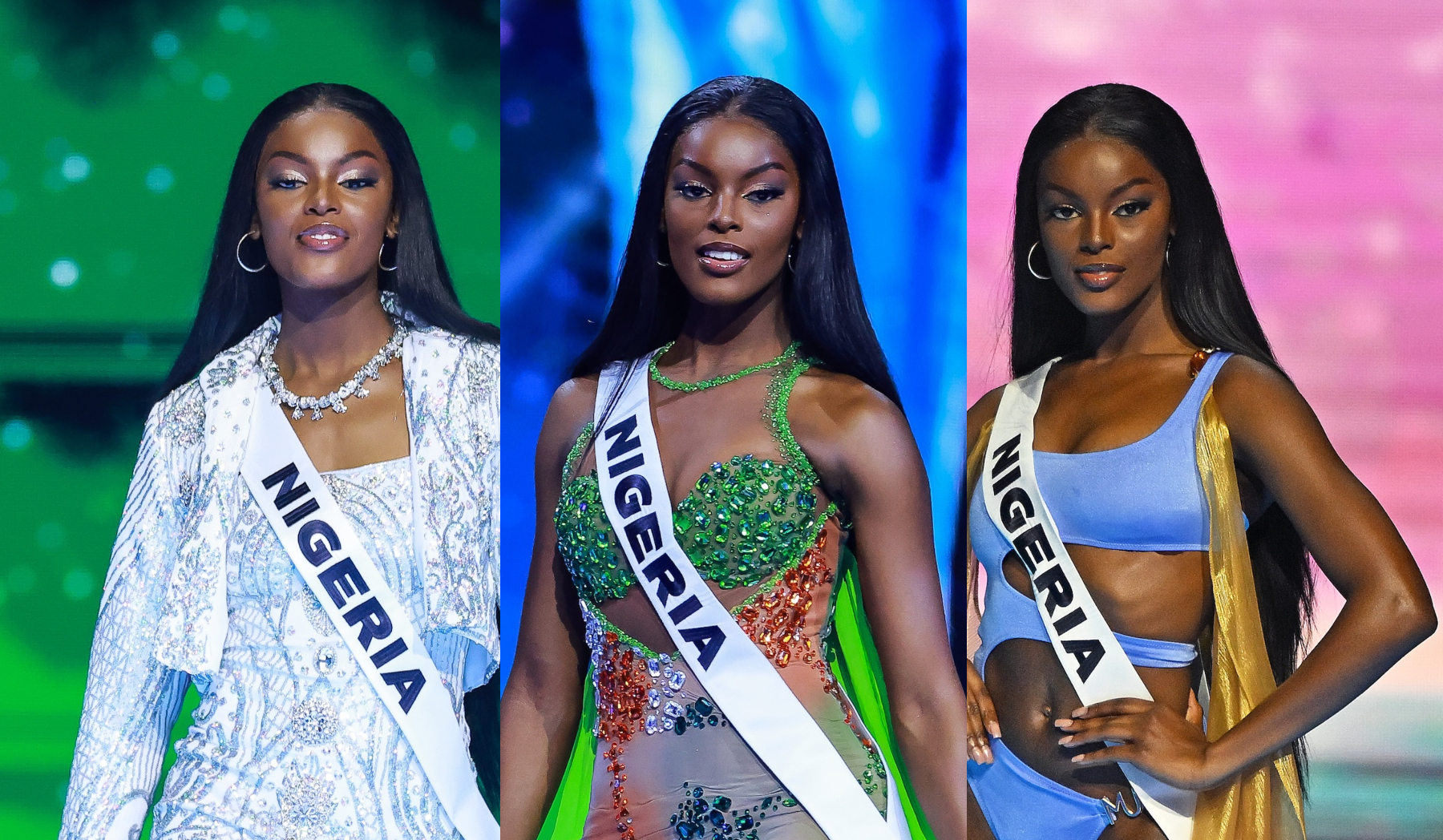
    Nigeria is a country with immense cultural and ethnic diversity, and its beauty is reflected in the women from various cities across the nation. Some cities are often celebrated for the stunning beauty of their women, which is shaped by unique cultural traits, traditions, and natural elegance. Here’s a list of cities in Nigeria known for having beautiful women:


    1. Lagos

    • Why Notable:
      • As Nigeria’s largest city and commercial hub, Lagos attracts women from all ethnic groups, creating a melting pot of beauty and styles.
      • Lagosian women are known for their modern fashion sense, confidence, and versatility.
      • The city is home to many models, actresses, and influencers, making it a hub for beauty and entertainment.

    2. Abuja

    • Why Notable:
      • Abuja, Nigeria’s capital, is home to elegant and cosmopolitan women.
      • Women in Abuja are often admired for their polished looks, sophistication, and a mix of cultural and modern styles.
      • The city’s vibrant social scene enhances its reputation for beautiful and stylish women.

    3. Calabar

    • Why Notable:
      • Calabar women are famously referred to as some of the most beautiful in Nigeria.
      • Known for their smooth, radiant skin tones and charming personalities.
      • Their cultural pride, elegance, and culinary skills further add to their appeal.

    4. Owerri

    • Why Notable:
      • Owerri is often called the “Heartland of Imo State” and is known for its beautiful women with striking features and grace.
      • Women from Owerri are admired for their intelligence, cultural pride, and natural beauty.
      • The city is also a hotspot for fashion and social events.

    5. Port Harcourt

    • Why Notable:
      • Known as the “Garden City,” Port Harcourt is home to beautiful women who exude confidence and style.
      • Women from Port Harcourt often have a mix of African and modern influences in their appearance.
      • The oil-rich city’s affluence contributes to their sophisticated lifestyle and fashion.

    6. Benin City

    • Why Notable:
      • Benin City women, from Edo State, are famous for their unique facial features, glowing skin, and cultural pride.
      • They are known for their connection to traditional beauty practices, such as using natural skincare remedies.
      • Many Benin women are celebrated for their elegance and poise.

    7. Enugu

    • Why Notable:
      • Women from Enugu, the “Coal City,” are known for their beauty, intelligence, and simplicity.
      • They have a reputation for being warm, family-oriented, and culturally rooted.
      • Enugu is a center of Igbo culture, and its women often reflect this cultural richness.

    8. Kano

    • Why Notable:
      • Kano women, from northern Nigeria, are known for their striking beauty, elegant demeanor, and modesty.
      • Their traditional attire, like hijabs and kimonos, highlights their elegance.
      • The influence of Hausa-Fulani culture is evident in their natural beauty and captivating charm.

    9. Kaduna

    • Why Notable:
      • Women in Kaduna are admired for their stunning features and cultural diversity.
      • As a major northern city, Kaduna’s women reflect a mix of Hausa, Fulani, and other northern Nigerian ethnic groups.
      • Many are known for their grace and calm demeanor.

    10. Jos

    • Why Notable:
      • Women from Jos, the “Home of Peace and Tourism,” are known for their natural beauty, with many having a mix of diverse ethnic traits due to the city’s multicultural nature.
      • The cool climate in Jos is often associated with their radiant skin and calm personalities.

    Traits of Beautiful Nigerian Women

    • Diversity: Nigeria’s over 250 ethnic groups create a wide range of features, skin tones, and hair textures.
    • Confidence and Style: Nigerian women are known for their bold fashion sense and confidence in carrying themselves.
    • Cultural Pride: Beauty is often complemented by traditional attire and accessories that showcase their heritage.
  • Here are some Afro-Caribbean countries known for their beautiful women

    Here are some Afro-Caribbean countries known for their beautiful women


    Beauty is subjective, and every Afro-Caribbean country is home to stunningly beautiful women who are celebrated for their diverse features, cultural richness, and unique charm. However, certain Afro-Caribbean nations are often highlighted due to their women’s physical beauty, cultural elegance, and vibrant personalities. Here are some Afro-Caribbean countries known for their beautiful women:


    1. Jamaica

    • Why Notable:
      • Jamaican women are admired for their striking features, strong confidence, and vibrant personalities.
      • Known for their rich melanin tones, curvaceous figures, and beautiful natural hair.
      • Many Jamaican women have gained international fame in beauty, music, and athletics (e.g., Naomi Campbell, Grace Jones, and Shelly-Ann Fraser-Pryce).
    • Beauty Pageant Success: Multiple Miss World winners, such as Toni-Ann Singh (2019) and Lisa Hanna (1993).

    2. Trinidad and Tobago

    • Why Notable:
      • Women in Trinidad and Tobago are celebrated for their diverse heritage, reflecting African, Indian, European, and Asian ancestry.
      • Known for their elegance and exotic looks, blending smooth skin tones, striking eyes, and vibrant personalities.
      • Carnival in Trinidad showcases their beauty and creativity with colorful costumes and joyful energy.
    • Beauty Pageant Success: Janelle Commissiong became the first Black Miss Universe in 1977.

    3. Barbados

    • Why Notable:
      • Known as the “Gem of the Caribbean,” Barbadian women exude natural beauty, grace, and charisma.
      • They are admired for their warm smiles, glowing skin, and chic style.
      • Rihanna, one of the world’s most famous Barbadians, has become a global icon of beauty and success.

    4. Haiti

    • Why Notable:
      • Haitian women are admired for their rich melanin tones, expressive eyes, and stunning Afrocentric features.
      • Their beauty is complemented by strong cultural pride and resilience.
      • Haitian women have a strong presence in international modeling and entertainment industries, like Garcelle Beauvais and models for top fashion brands.

    5. Dominican Republic

    • Why Notable:
      • Dominican women have a mix of African, European, and Taino ancestry, giving them a wide range of beautiful features.
      • Known for their curvaceous figures, smooth skin, and confident demeanor.
      • The country frequently produces international beauty queens and top models.

    6. Cuba

    • Why Notable:
      • Cuban women are often noted for their natural beauty, elegance, and a blend of Afro-Caribbean and Spanish influences.
      • Many Cuban women have gained international fame in fashion, entertainment, and sports.
      • Their charm is matched by their cultural vibrancy, especially seen in music and dance.

    7. Bahamas

    • Why Notable:
      • Bahamian women are known for their radiant skin tones, natural hairstyles, and confident presence.
      • Their beauty reflects the warmth of the islands, with a mix of African and European heritage.
      • Miss Universe Bahamas contestants are regularly celebrated for their grace and beauty.

    8. Saint Lucia

    • Why Notable:
      • Women from Saint Lucia are admired for their natural, radiant beauty and relaxed island charm.
      • The island’s mix of African, European, and East Indian heritage is reflected in their unique features and cultural elegance.

    9. Guyana

    • Why Notable:
      • While located in South America, Guyana is culturally part of the Caribbean.
      • Women from Guyana are celebrated for their Afro-Caribbean and Indian features, giving them diverse beauty.
      • Known for their warm personalities and strong presence in modeling and pageantry.

    10. Puerto Rico

    • Why Notable:
      • Puerto Rican women are known for their striking mix of African, Spanish, and Indigenous heritage.
      • They are prominent in global pageants and modeling industries.
      • Beauty icons like Roselyn Sánchez and several Miss Universe winners highlight the allure of Puerto Rican women.

    Common Traits of Afro-Caribbean Women

    • Natural Beauty: Stunning skin tones, from rich chocolate to golden caramel, and beautiful natural hair textures.
    • Confidence: A strong sense of identity and self-expression.
    • Cultural Pride: Their beauty is often enhanced by their cultural fashion, music, and traditions.
  • Here’s a breakdown of some of the most prominent Black-majority nations in sports


    The most popular Black nations in sports are those with outstanding achievements and global recognition in various athletic disciplines. Here’s a breakdown of some of the most prominent Black-majority nations in sports:


    1. Jamaica

    • Sporting Fame: Athletics (Track and Field)
    • Achievements:
      • Renowned for producing world-class sprinters such as Usain Bolt, the fastest man in history, and Shelly-Ann Fraser-Pryce, one of the most decorated female sprinters.
      • Dominates sprint events at the Olympics and World Championships.
    • Other Sports: Cricket (West Indies team), Football (soccer), and Reggae Boyz in international football.

    2. Kenya

    • Sporting Fame: Long-Distance Running
    • Achievements:
      • Dominates long-distance and marathon events globally.
      • Legendary athletes like Eliud Kipchoge, the first man to run a sub-2-hour marathon, and multiple Olympic gold medalists in long-distance track events.
    • Other Sports: Rugby sevens and football (soccer).

    3. Nigeria

    • Sporting Fame: Football (Soccer) and Athletics
    • Achievements:
      • Won the 1996 Olympic Gold Medal in football and multiple African Cup of Nations titles.
      • Produced athletes like Chioma Ajunwa (first Nigerian to win Olympic gold) and Blessing Okagbare (track and field star).
      • Basketball has risen in prominence with teams like D’Tigers (men) and D’Tigress (women) excelling in international competitions.
    • Other Sports: Boxing and weightlifting.

    4. South Africa

    • Sporting Fame: Rugby, Cricket, and Football (Soccer)
    • Achievements:
      • Won the Rugby World Cup three times (1995, 2007, 2019).
      • Produced top cricketers like Hashim Amla and AB de Villiers.
      • Hosted the 2010 FIFA World Cup, the first on African soil.
    • Other Sports: Athletics (Caster Semenya in middle-distance running).

    5. Ethiopia

    • Sporting Fame: Long-Distance Running
    • Achievements:
      • Legendary runners like Haile Gebrselassie, Kenenisa Bekele, and Tirunesh Dibaba have dominated global long-distance races.
      • Regularly wins medals in the Olympics and World Championships.
    • Other Sports: Football (soccer) is also growing in popularity.

    6. Brazil (Significant Afro-Brazilian Influence)

    • Sporting Fame: Football (Soccer)
    • Achievements:
      • Globally recognized for football legends like Pelé, Ronaldinho, and Neymar.
      • Five-time FIFA World Cup champions.
      • Afro-Brazilians have also excelled in volleyball, basketball, and martial arts (e.g., Capoeira, Brazilian Jiu-Jitsu).
    • While not a “Black-majority” nation, Brazil’s Afro-descendant population is deeply influential in its sports legacy.

    7. Ghana

    • Sporting Fame: Football (Soccer)
    • Achievements:
      • The Black Stars, Ghana’s national football team, have won the African Cup of Nations multiple times and reached the FIFA World Cup quarterfinals in 2010.
      • Produces globally recognized footballers like Michael Essien and Asamoah Gyan.
    • Other Sports: Boxing (e.g., Azumah Nelson, a boxing legend).

    8. Senegal

    • Sporting Fame: Football (Soccer)
    • Achievements:
      • 2022 Africa Cup of Nations Champions.
      • Produced world-class players like Sadio Mané and Kalidou Koulibaly.
    • Other Sports: Wrestling (traditional Senegalese wrestling is a major cultural sport).

    9. Ivory Coast (Côte d’Ivoire)

    • Sporting Fame: Football (Soccer)
    • Achievements:
      • Produced legendary players like Didier Drogba and Yaya Touré.
      • Won the African Cup of Nations in 1992 and 2015.
    • Other Sports: Athletics (Murielle Ahouré in sprints).

    10. Barbados (West Indies)

    • Sporting Fame: Cricket
    • Achievements:
      • Part of the West Indies cricket team, which has won the Cricket World Cup twice (1975 and 1979).
      • Produced cricket legends like Sir Garfield Sobers, considered one of the greatest cricketers of all time.

    Conclusion

    While Jamaica is the most globally recognized Black nation in sports due to its dominance in sprinting, countries like Kenya, Nigeria, and South Africa excel in other disciplines. The African diaspora in countries like Brazil and the United States has also played a pivotal role in shaping global sports.