
Category: HISTORY

  • Afro-Caribbean region with rocky landscapes, mountains, and unique geological formations

    Afro-Caribbean region with rocky landscapes, mountains, and unique geological formations


    In the Afro-Caribbean region, several nations are known for their rocky landscapes, mountains, and unique geological formations. Here are some notable ones:


    1. Afro Region (Africa)

    a. Nigeria

    • Aso Rock (Abuja) – A massive granite rock formation near the presidential complex.
    • Zuma Rock (Niger State) – A monolithic rock known as the “Gateway to Abuja.”
    • Olumo Rock (Ogun State) – A historical rock in Abeokuta used as a fortress during tribal wars.

    b. South Africa

    • Table Mountain – A famous flat-topped mountain in Cape Town.
    • Drakensberg Mountains – A rugged mountain range covering parts of South Africa and Lesotho.

    c. Ethiopia

    • Rock-Hewn Churches of Lalibela – Monolithic churches carved from solid rock.
    • Simien Mountains – A UNESCO-listed mountain range with rocky escarpments.

    d. Madagascar

    • Tsingy de Bemaraha – A forest of sharp limestone rocks known as the “Stone Forest.”

    e. Mali

    • Bandiagara Escarpment – A rock plateau home to the Dogon people.

    2. Caribbean Region

    a. Haiti

    • Citadelle Laferrière – A fortress built on a rocky mountain.
    • Massif de la Selle – A rugged mountain range.

    b. Jamaica

    • Blue Mountains – Known for rocky cliffs and the famous Blue Mountain coffee.
    • Dunn’s River Falls – A waterfall flowing over limestone rocks.

    c. Dominican Republic

    • Pico Duarte – The highest rocky peak in the Caribbean.

    d. Saint Lucia

    • The Pitons – Two volcanic rock formations rising from the sea.

    e. Puerto Rico

    • El Yunque National Forest – Rocky peaks covered in tropical rainforest.

    Conclusion

    Several nations in the Afro-Caribbean region have rocky landscapes, mountains, and unique geological formations
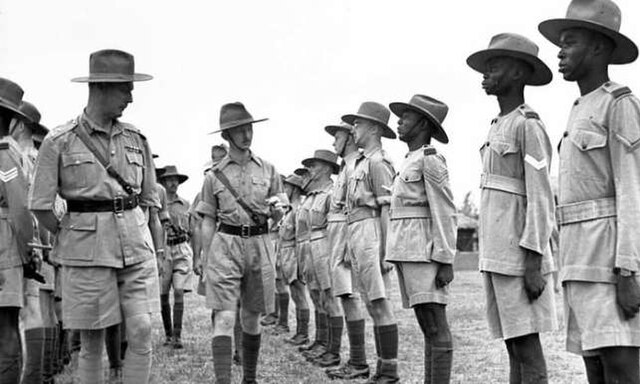
  • Nigeria Armed Forces and Year of Origination The Nigerian Armed Forces (NAF) is the military organization responsible for defending Nigeria’s sovereignty and territorial integrity. It consists of three main branches:  Nigerian Army (NA) – Established in 1863 Nigerian Navy (NN) – Established in 1956 Nigerian Air Force (NAF) – Established in 1964 1. Nigerian Army Year of Origin: 1863 (as the Royal West African Frontier Force – RWAFF) Official Formation: 1960 (after independence) Role: Ground warfare, national security, peacekeeping missions, and counterinsurgency (e.g., against Boko Haram). Notable Engagements: Nigerian Civil War (1967–1970) ECOMOG Peacekeeping (Liberia, Sierra Leone) Counterterrorism Operations (Boko Haram, ISWAP) 2. Nigerian Navy Year of Origin: 1956 Official Formation: 1958 Role: Maritime security, protecting Nigeria’s coastline and economic zones, anti-piracy operations. Notable Engagements: Anti-piracy operations in the Gulf of Guinea Oil theft prevention in the Niger Delta 3. Nigerian Air Force Year of Origin: 1964 Role: Aerial defense, surveillance, support for ground troops, disaster relief. Notable Engagements: Operations in the Nigerian Civil War (1967–1970) Counterterrorism airstrikes against Boko Haram Command Structure Commander-in-Chief: The President of Nigeria (currently Bola Ahmed Tinubu) Chief of Defence Staff (CDS): Oversees all military branches Service Chiefs: Heads of the Army, Navy, and Air Force Conclusion The Nigerian Armed Forces has evolved from a colonial military force into a powerful institution playing vital roles in national security and international peacekeeping missions.

    Nigeria Armed Forces and Year of Origination The Nigerian Armed Forces (NAF) is the military organization responsible for defending Nigeria’s sovereignty and territorial integrity. It consists of three main branches: Nigerian Army (NA) – Established in 1863 Nigerian Navy (NN) – Established in 1956 Nigerian Air Force (NAF) – Established in 1964 1. Nigerian Army Year of Origin: 1863 (as the Royal West African Frontier Force – RWAFF) Official Formation: 1960 (after independence) Role: Ground warfare, national security, peacekeeping missions, and counterinsurgency (e.g., against Boko Haram). Notable Engagements: Nigerian Civil War (1967–1970) ECOMOG Peacekeeping (Liberia, Sierra Leone) Counterterrorism Operations (Boko Haram, ISWAP) 2. Nigerian Navy Year of Origin: 1956 Official Formation: 1958 Role: Maritime security, protecting Nigeria’s coastline and economic zones, anti-piracy operations. Notable Engagements: Anti-piracy operations in the Gulf of Guinea Oil theft prevention in the Niger Delta 3. Nigerian Air Force Year of Origin: 1964 Role: Aerial defense, surveillance, support for ground troops, disaster relief. Notable Engagements: Operations in the Nigerian Civil War (1967–1970) Counterterrorism airstrikes against Boko Haram Command Structure Commander-in-Chief: The President of Nigeria (currently Bola Ahmed Tinubu) Chief of Defence Staff (CDS): Oversees all military branches Service Chiefs: Heads of the Army, Navy, and Air Force Conclusion The Nigerian Armed Forces has evolved from a colonial military force into a powerful institution playing vital roles in national security and international peacekeeping missions.


    Nigeria Armed Forces and Year of Origination

    The Nigerian Armed Forces (NAF) is the military organization responsible for defending Nigeria’s sovereignty and territorial integrity. It consists of three main branches:

    1. Nigerian Army (NA) – Established in 1863
    2. Nigerian Navy (NN) – Established in 1956
    3. Nigerian Air Force (NAF) – Established in 1964

    1. Nigerian Army

    • Year of Origin: 1863 (as the Royal West African Frontier Force – RWAFF)
    • Official Formation: 1960 (after independence)
    • Role: Ground warfare, national security, peacekeeping missions, and counterinsurgency (e.g., against Boko Haram).
    • Notable Engagements:
      • Nigerian Civil War (1967–1970)
      • ECOMOG Peacekeeping (Liberia, Sierra Leone)
      • Counterterrorism Operations (Boko Haram, ISWAP)

    2. Nigerian Navy

    • Year of Origin: 1956
    • Official Formation: 1958
    • Role: Maritime security, protecting Nigeria’s coastline and economic zones, anti-piracy operations.
    • Notable Engagements:
      • Anti-piracy operations in the Gulf of Guinea
      • Oil theft prevention in the Niger Delta

    3. Nigerian Air Force

    • Year of Origin: 1964
    • Role: Aerial defense, surveillance, support for ground troops, disaster relief.
    • Notable Engagements:
      • Operations in the Nigerian Civil War (1967–1970)
      • Counterterrorism airstrikes against Boko Haram

    Command Structure

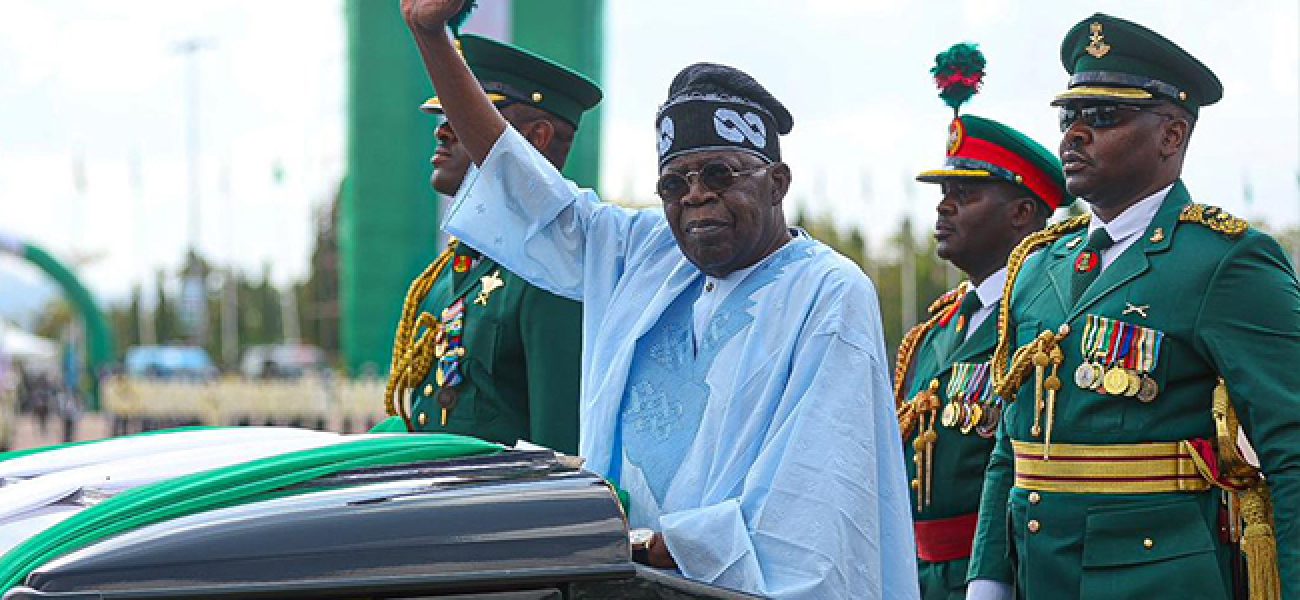
    • Commander-in-Chief: The President of Nigeria (currently Bola Ahmed Tinubu)
    • Chief of Defence Staff (CDS): Oversees all military branches
    • Service Chiefs: Heads of the Army, Navy, and Air Force

    Conclusion

    The Nigerian Armed Forces has evolved from a colonial military force into a powerful institution playing vital roles in national security and international peacekeeping missions.


  • History of Political Rule in Nigeria

    History of Political Rule in Nigeria


    History of Political Rule in Nigeria

    Nigeria’s political history is marked by colonial rule, military coups, and transitions between military and civilian governments. Below is a chronological outline of Nigeria’s political evolution:


    1. Pre-Colonial Era (Before 1900)

    Before British colonization, Nigeria was home to various powerful kingdoms and empires, such as:

    • Kanem-Bornu Empire (9th century – 19th century)
    • Hausa-Fulani Caliphate (19th century)
    • Oyo Empire (14th – 19th century)
    • Benin Kingdom (1180–1897)
    • Igbo Traditional Societies

    These societies had well-organized political structures, ranging from centralized monarchies to decentralized republican systems.


    2. Colonial Rule (1900–1960)

    • 1900-1914: The British controlled different regions as separate entities: the Northern Protectorate, Southern Protectorate, and Lagos Colony.
    • 1914: The British amalgamated the Northern and Southern Protectorates into a single entity called Nigeria under Governor Lord Lugard.
    • 1946: The Richards Constitution introduced regional government structures.
    • 1954: The Lyttleton Constitution made Nigeria a federation with three regions: Northern, Western, and Eastern Regions.
    • October 1, 1960: Nigeria gained independence from Britain, with Sir Abubakar Tafawa Balewa as the first Prime Minister and Dr. Nnamdi Azikiwe as Governor-General.

    3. First Republic (1963–1966)

    • 1963: Nigeria became a Republic, and Nnamdi Azikiwe became the first President.
    • Political Parties:
      • Northern People’s Congress (NPC) – dominated the North.
      • National Council of Nigeria and the Cameroons (NCNC) – dominated the East.
      • Action Group (AG) – dominated the West.
    • 1966 Military Coup:
      • January 15, 1966: The first coup was led by Major Chukwuma Kaduna Nzeogwu, assassinating top politicians.
      • General Aguiyi-Ironsi became Head of State.
      • July 29, 1966: A counter-coup by Northern officers led to General Yakubu Gowon becoming Head of State.

    4. Military Rule & the Nigerian Civil War (1966–1979)

    • 1967-1970: The Nigerian Civil War (Biafra War) was fought when the Eastern Region (led by Colonel Odumegwu Ojukwu) attempted to secede as Biafra.
    • 1975: General Gowon was overthrown, and General Murtala Mohammed took over but was assassinated in 1976.
    • 1976-1979: General Olusegun Obasanjo ruled and transitioned Nigeria back to civilian rule.

    5. Second Republic (1979–1983)

    • 1979 Elections: Alhaji Shehu Shagari (NPN) became Nigeria’s first elected President under the new U.S.-style presidential system.
    • 1983 Military Coup: General Muhammadu Buhari overthrew Shagari, citing corruption.

    6. Military Rule (1983–1999)

    • 1983-1985: General Buhari imposed strict anti-corruption policies but was overthrown in 1985 by General Ibrahim Babangida.
    • 1985-1993:
      • Babangida’s regime was marked by economic reforms and political instability.
      • 1993 Elections: The June 12 election, widely regarded as Nigeria’s fairest election, was won by Moshood Abiola (MKO Abiola), but Babangida annulled the results.
      • This led to protests and forced Babangida to step down.
    • 1993-1998: General Sani Abacha ruled with an iron grip, suppressing opposition and jailing pro-democracy activists.
    • 1998-1999: General Abdulsalami Abubakar took over after Abacha’s sudden death and transitioned to civilian rule.

    7. Fourth Republic (1999–Present)

    Democratic Era Begins (1999-Present)

    • 1999-2007: Olusegun Obasanjo (PDP) was elected and re-elected, restoring democracy.
    • 2007-2010: Umaru Musa Yar’Adua (PDP) won but died in office in 2010. His Vice President, Goodluck Jonathan, took over.
    • 2011-2015: Goodluck Jonathan (PDP) was elected but lost in 2015.
    • 2015-2023: Muhammadu Buhari (APC) won and was re-elected in 2019.
    • 2023-Present: Bola Ahmed Tinubu (APC) became President after winning the 2023 elections.

    Conclusion

    Nigeria’s political history is shaped by colonial legacies, military interventions, civil conflict, and democratic transitions. Since 1999, democracy has remained stable despite challenges such as corruption, electoral disputes, and security threats.


  • Nigerian footballers whom have been nominated for the prestigious Ballon d’Or award over the years

    Nigerian footballers whom have been nominated for the prestigious Ballon d’Or award over the years


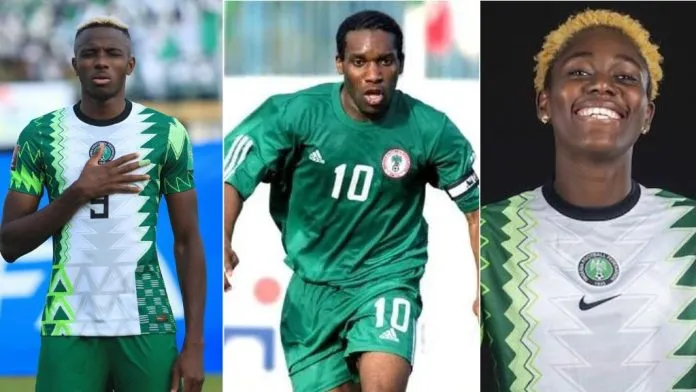
    Several Nigerian footballers have been nominated for the prestigious Ballon d’Or award over the years, highlighting their exceptional contributions to the sport. Here’s a chronological list of these distinguished players:

    1. Finidi George (1995)

    • Club: Ajax
    • Achievement: Instrumental in Ajax’s UEFA Champions League victory in 1995.
    • Ballon d’Or Ranking: Finished 21st, tied with Franco Baresi.

    2. Daniel Amokachi (1995)

    • Club: Everton
    • Achievement: Recognized for his contributions to Everton and the Nigerian national team.
    • Ballon d’Or Ranking: Nominated but did not receive votes.

    3. Austin “Jay-Jay” Okocha (1995)

    • Club: Eintracht Frankfurt
    • Achievement: Known for his exceptional dribbling skills and creativity on the field.
    • Ballon d’Or Ranking: Nominated but did not receive votes.

    4. Nwankwo Kanu (1996, 1999)

    • Clubs: Ajax (1996), Arsenal (1999)
    • Achievements:
      • 1996: Played a pivotal role in Nigeria’s Olympic gold medal win.
      • 1999: Contributed significantly to Arsenal’s successes.
    • Ballon d’Or Rankings:
      • 1996: Finished 11th.
      • 1999: Finished 23rd, tied with Ronaldo and Hernán Crespo.

    5. Victor Ikpeba (1997)

    • Club: AS Monaco
    • Achievement: Excelled in the French Ligue 1, earning the African Footballer of the Year award in 1997.
    • Ballon d’Or Ranking: Nominated for his outstanding performances.

    6. Sunday Oliseh (1998)

    • Club: Ajax
    • Achievement: Known for his midfield dominance and a memorable goal against Spain in the 1998 World Cup.
    • Ballon d’Or Ranking: Recognized for his contributions during the year.

    7. Victor Osimhen (2023)

    • Club: Napoli
    • Achievement: Played a crucial role in leading Napoli to their first Serie A title in over three decades.
    • Ballon d’Or Ranking: Nominated for his exceptional goal-scoring record.

    8. Ademola Lookman (2024)

    • Club: Atalanta
    • Achievement: Scored a hat-trick in the Europa League final, leading Atalanta to their first major European trophy. Also instrumental in Nigeria’s run to the Africa Cup of Nations final.
    • Ballon d’Or Ranking: Finished 14th, marking one of the highest placements for a Nigerian player.

    These players have not only elevated Nigerian football on the global stage but have also inspired future generations with their remarkable achievements

  • Here’s a list of notable African Grammy winners


    African artists have made significant contributions to the global music scene, with several achieving recognition at the prestigious Grammy Awards. Here’s a list of notable African Grammy winners:


    1. Miriam Makeba (South Africa)

    • Award: Best Folk Recording
    • Year: 1966
    • Notable Work: “An Evening with Belafonte/Makeba” (collaboration with Harry Belafonte)
    • Significance: First African artist to win a Grammy.

    2. Ali Farka Touré (Mali)

    • Awards: Three Grammys
    • Years: 1994, 2006, 2010
    • Notable Works: “Talking Timbuktu” (with Ry Cooder), “In the Heart of the Moon” (with Toumani Diabaté)
    • Significance: Pioneered blending traditional Malian music with blues.

    3. Angélique Kidjo (Benin)

    • Awards: Five Grammys
    • Years: 2008, 2015, 2016, 2020, 2022
    • Notable Works: “Djin Djin,” “Eve,” “Sings,” “Celia,” “Mother Nature”
    • Significance: Celebrated for her diverse musical influences and activism.

    4. Youssou N’Dour (Senegal)

    • Award: Best Contemporary World Music Album
    • Year: 2005
    • Notable Work: “Egypt”
    • Significance: Renowned for his powerful vocals and political engagement.

    5. Ladysmith Black Mambazo (South Africa)

    • Awards: Five Grammys
    • Years: 1988, 2004, 2009, 2013, 2017
    • Notable Works: “Shaka Zulu,” “Raise Your Spirit Higher,” “Ilembe: Honoring Shaka Zulu,” “Live: Singing for Peace Around the World,” “Shaka Zulu Revisited: 30th Anniversary Celebration”
    • Significance: Famed for their isicathamiya harmonies and global collaborations.

    6. Soweto Gospel Choir (South Africa)

    • Awards: Three Grammys
    • Years: 2007, 2008, 2018
    • Notable Works: “Blessed,” “African Spirit,” “Freedom”
    • Significance: Known for their vibrant performances and rich harmonies.

    7. Sade (Nigeria/UK)

    • Awards: Four Grammys
    • Years: 1986, 1994, 2002, 2011
    • Notable Works: “Promise,” “No Ordinary Love,” “Lovers Rock,” “Soldier of Love”
    • Significance: Acclaimed for her smooth vocals and timeless style.

    8. Burna Boy (Nigeria)

    • Award: Best Global Music Album
    • Year: 2021
    • Notable Work: “Twice as Tall”
    • Significance:
  • List of Africans Who Have Won Miss World & Miss Universe

    List of Africans Who Have Won Miss World & Miss Universe


    List of Africans Who Have Won Miss World & Miss Universe

    Miss World Winners from Africa

    The Miss World pageant started in 1951 and has had several African winners.

    Year Name Country Notes
    1958 Penelope Coelen South Africa First African to win Miss World.
    1974 Anneline Kriel South Africa Crowned after the original winner (UK’s Helen Morgan) resigned.
    1994 Aishwarya Rai (India won, but South Africa hosted the event) South Africa hosted Historic because Nelson Mandela attended.
    2001 Agbani Darego Nigeria First Black African woman to win Miss World.
    2007 Zi Lin Zhang (China won, but the event was held in Sanya, China) No African winner African countries participated.
    2008 Ksenia Sukhinova (Russia won, but event was in South Africa) South Africa hosted African contestants reached high ranks.
    2014 Rolene Strauss South Africa Third South African to win Miss World.
    2016 Stephanie Del Valle (Puerto Rico won, event held in the US) No African winner South Africa and Kenya were finalists.
    2019 Toni-Ann Singh Jamaica (of African descent) Many African contestants ranked high.

    Miss Universe Winners from Africa

    The Miss Universe pageant started in 1952, and African women have made their mark.

    Year Name Country Notes
    1978 Margaret Gardiner South Africa First African woman to win Miss Universe.
    1992 Michelle McLean Namibia First and only Namibian to win.
    2017 Demi-Leigh Nel-Peters South Africa Second South African winner.
    2019 Zozibini Tunzi South Africa First Black South African woman to win Miss Universe.
    2023 Sheynnis Palacios (Nicaragua won, but Africa had strong representation) No African winner South Africa and Nigeria reached high ranks.

    Notable Mentions

    • Leila Lopes (Angola, 2011) – First Angolan to win Miss Universe.
    • Agbani Darego (Nigeria, 2001) – First Black African woman to win Miss World.
    • Zozibini Tunzi (South Africa, 2019) – The first Miss Universe to wear her natural Afro-textured hair.
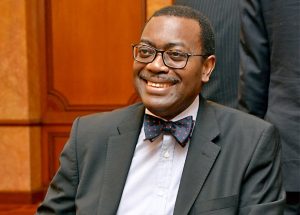
  • Dr. Akinwumi Adesina – President of the African Development Bank (AfDB)

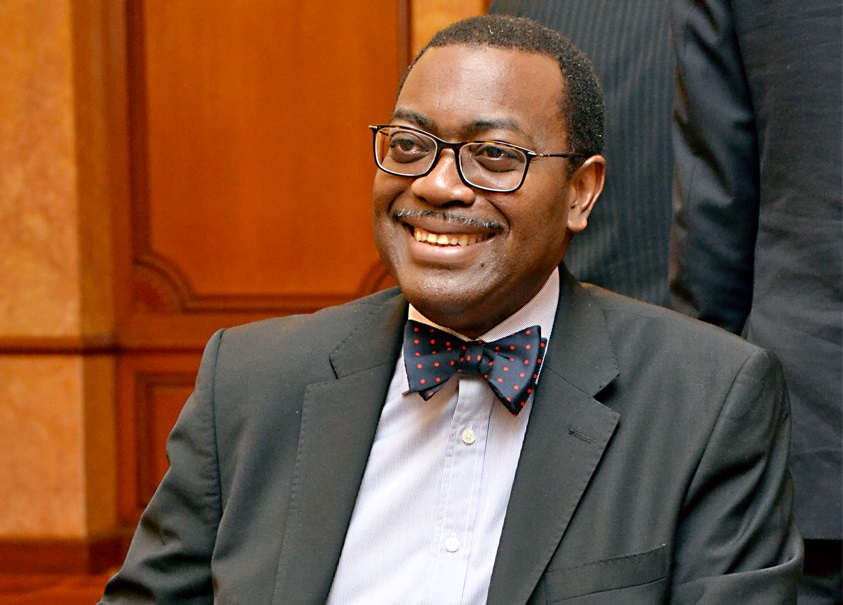
    Dr. Akinwumi Adesina – President of the African Development Bank (AfDB)

    Dr. Akinwumi Adesina – President of the African Development Bank (AfDB)

    Personal Background

    • Full Name: Akinwumi Ayodeji Adesina
    • Born: February 6, 1960
    • Nationality: Nigerian
    • Education:
      • B.Sc. in Agricultural Economics – University of Ife (now Obafemi Awolowo University), Nigeria
      • Ph.D. in Agricultural Economics – Purdue University, USA

    Career & Achievements

    1. Early Career & Agricultural Leadership

    • Worked with Rockefeller Foundation and Alliance for a Green Revolution in Africa (AGRA), promoting agricultural innovation across Africa.

    2. Minister of Agriculture (Nigeria, 2011–2015)

    • Served as Nigeria’s Minister of Agriculture under President Goodluck Jonathan.
    • Led major reforms, including:
      • Ending corruption in fertilizer distribution through the E-Wallet system.
      • Expanding local rice production, reducing dependence on imports.

    3. President of the African Development Bank (AfDB) (2015–Present)

    • Elected as the 8th President of AfDB in 2015 and re-elected in 2020.
    • Key Achievements at AfDB:
      • Launched the “High 5” priorities:
        1. Light Up & Power Africa (expanding electricity access).
        2. Feed Africa (boosting agriculture & food security).
        3. Industrialize Africa (supporting manufacturing & job creation).
        4. Integrate Africa (enhancing regional trade & infrastructure).
        5. Improve the Quality of Life for Africans (investing in healthcare & education).
      • Led AfDB’s $10 billion COVID-19 response package for Africa.
      • Spearheaded financing for infrastructure, renewable energy, and private sector growth.

    Awards & Recognition

    • World Food Prize (2017) – First African to win this prestigious award.
    • Forbes African of the Year (2013 & 2019).
    • Named one of the 100 Most Influential Africans multiple times.

    Legacy & Impact

    Dr. Adesina is recognized for his commitment to Africa’s economic transformation, championing policies that drive investment, food security, and energy access.


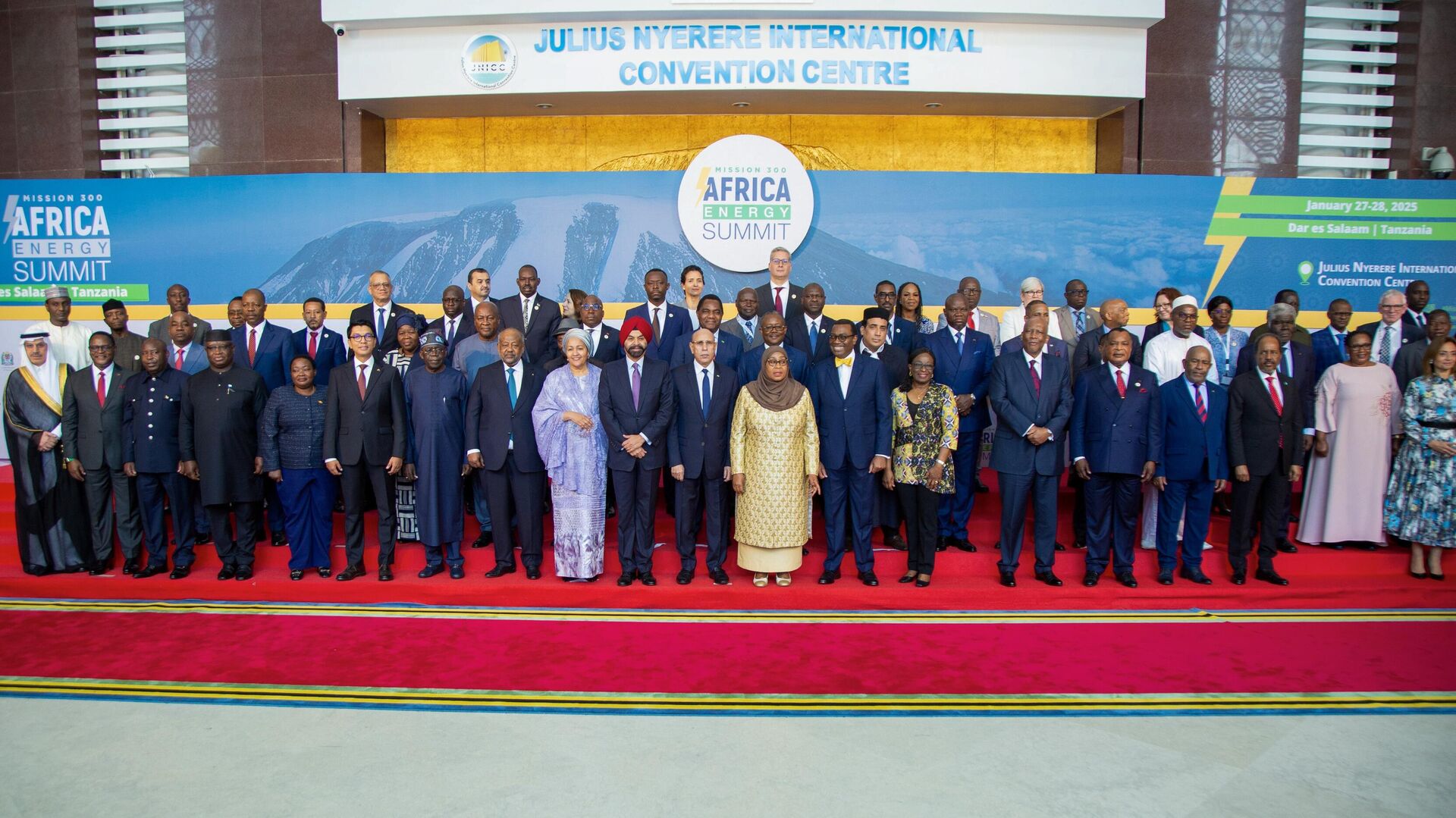
  • The Mission 300 Africa Energy Summit took place on January 27-28, 2025, in Dar es Salaam, Tanzania. This landmark event was hosted by the Government of Tanzania, the African Union, the African Development Bank Group (AfDB), and the World Bank Group (WBG). The summit convened African heads of state, business leaders, development partners, and civil society to advance the ambitious goal of providing electricity access to 300 million people by 2030, an initiative known as Mission 300.  WORLDBANK.ORG  During the summit, twelve African countries presented their National Energy Compacts, outlining specific policy measures to address constraints in their energy sectors and setting targets based on their unique contexts. These compacts are government-led and developed, often involving public consultations with civil society and other stakeholders.  WORLDBANK.ORG  Significant financial commitments were made to support Mission 300. The World Bank plans to invest between $30-40 billion, while the AfDB will contribute $10-15 billion. Additionally, the Islamic Development Bank (IsDB) and the Asia Infrastructure Investment Bank (AIIB) have pledged up to $6.15 billion to support Africa’s electrification efforts.  REUTERS.COM  The summit emphasized practical solutions to achieve the ambitious goal, from regulatory reforms to private sector engagement. There was a strong focus on clean cooking solutions to avoid health issues related to smoke exposure, which causes approximately 600,000 deaths annually in Africa.  AFDB.ORG  The firm commitments made by governments and partners at the summit demonstrate the unique power of the Mission 300 partnership. By combining government reforms, increased financing, and leveraging public-private partnerships, African countries are positioned to turn plans into action, delivering tangible benefits to millions of people.  AFDB.ORG  For more detailed information, you can visit the official summit website:  MISSION300AFRICA.ORG  Additionally, the East Africa Energy Cooperation Summit is scheduled for January 29-30, 2025, in Arusha, Tanzania. This summit aims to foster regional cooperation in the energy sector and will feature discussions on energy infrastructure, investment opportunities, and policy frameworks.  EA-ECS.COM  These events underscore Africa’s commitment to transforming its energy sector and achieving universal electricity access by 2030.

    The Mission 300 Africa Energy Summit took place on January 27-28, 2025, in Dar es Salaam, Tanzania. This landmark event was hosted by the Government of Tanzania, the African Union, the African Development Bank Group (AfDB), and the World Bank Group (WBG). The summit convened African heads of state, business leaders, development partners, and civil society to advance the ambitious goal of providing electricity access to 300 million people by 2030, an initiative known as Mission 300. WORLDBANK.ORG During the summit, twelve African countries presented their National Energy Compacts, outlining specific policy measures to address constraints in their energy sectors and setting targets based on their unique contexts. These compacts are government-led and developed, often involving public consultations with civil society and other stakeholders. WORLDBANK.ORG Significant financial commitments were made to support Mission 300. The World Bank plans to invest between $30-40 billion, while the AfDB will contribute $10-15 billion. Additionally, the Islamic Development Bank (IsDB) and the Asia Infrastructure Investment Bank (AIIB) have pledged up to $6.15 billion to support Africa’s electrification efforts. REUTERS.COM The summit emphasized practical solutions to achieve the ambitious goal, from regulatory reforms to private sector engagement. There was a strong focus on clean cooking solutions to avoid health issues related to smoke exposure, which causes approximately 600,000 deaths annually in Africa. AFDB.ORG The firm commitments made by governments and partners at the summit demonstrate the unique power of the Mission 300 partnership. By combining government reforms, increased financing, and leveraging public-private partnerships, African countries are positioned to turn plans into action, delivering tangible benefits to millions of people. AFDB.ORG For more detailed information, you can visit the official summit website: MISSION300AFRICA.ORG Additionally, the East Africa Energy Cooperation Summit is scheduled for January 29-30, 2025, in Arusha, Tanzania. This summit aims to foster regional cooperation in the energy sector and will feature discussions on energy infrastructure, investment opportunities, and policy frameworks. EA-ECS.COM These events underscore Africa’s commitment to transforming its energy sector and achieving universal electricity access by 2030.

    The Mission 300 Africa Energy Summit took place on January 27-28, 2025, in Dar es Salaam, Tanzania. This landmark event was hosted by the Government of Tanzania, the African Union, the African Development Bank Group (AfDB), and the World Bank Group (WBG). The summit convened African heads of state, business leaders, development partners, and civil society to advance the ambitious goal of providing electricity access to 300 million people by 2030, an initiative known as Mission 300.

    During the summit, twelve African countries presented their National Energy Compacts, outlining specific policy measures to address constraints in their energy sectors and setting targets based on their unique contexts. These compacts are government-led and developed, often involving public consultations with civil society and other stakeholders.

    Significant financial commitments were made to support Mission 300. The World Bank plans to invest between $30-40 billion, while the AfDB will contribute $10-15 billion. Additionally, the Islamic Development Bank (IsDB) and the Asia Infrastructure Investment Bank (AIIB) have pledged up to $6.15 billion to support Africa’s electrification efforts.

    The summit emphasized practical solutions to achieve the ambitious goal, from regulatory reforms to private sector engagement. There was a strong focus on clean cooking solutions to avoid health issues related to smoke exposure, which causes approximately 600,000 deaths annually in Africa.

    The firm commitments made by governments and partners at the summit demonstrate the unique power of the Mission 300 partnership. By combining government reforms, increased financing, and leveraging public-private partnerships, African countries are positioned to turn plans into action, delivering tangible benefits to millions of people.

    For more detailed information, you can visit the official summit website:

    Additionally, the East Africa Energy Cooperation Summit is scheduled for January 29-30, 2025, in Arusha, Tanzania. This summit aims to foster regional cooperation in the energy sector and will feature discussions on energy infrastructure, investment opportunities, and policy frameworks.

    These events underscore Africa’s commitment to transforming its energy sector and achieving universal electricity access by 2030.


  • Here are some key historical figures and leadership structures related to kings and kingdoms in the Afro-Caribbean

    Here are some key historical figures and leadership structures related to kings and kingdoms in the Afro-Caribbean


    The Afro-Caribbean region does not have traditional kings and kingdoms in the same way as Africa or Europe, but it does have a rich history of indigenous rulers, maroon societies, and colonial-era leadership structures that shaped the region. Here are some key historical figures and leadership structures related to kings and kingdoms in the Afro-Caribbean:


    1. Pre-Colonial Indigenous Kingdoms

    Before European colonization, the Caribbean was home to indigenous groups, including the Tainos, Kalinagos (Caribs), and Arawaks, who had their own leadership systems.

    • Caciques (Taino Chiefs) – Indigenous Caribbean societies, such as the Tainos, were led by caciques (chiefs).
      • Famous Caciques:
        • Caonabo (Hispaniola) – A powerful Taino chief who resisted Spanish colonization.
        • Anacaona (Hispaniola) – A legendary Taino queen who fought against Spanish rule.
        • Hatuey (Cuba & Hispaniola) – Led resistance against Spanish invaders and is considered the first Caribbean freedom fighter.

    2. African-Influenced Maroon Kingdoms

    During the Transatlantic Slave Trade, enslaved Africans escaped plantations and formed self-governing communities, known as Maroon settlements, led by powerful leaders.

    • Nanny of the Maroons (Jamaica) – A revered warrior-queen and national hero of Jamaica who led escaped slaves in guerrilla warfare against the British.
    • Cudjoe (Jamaica) – Leader of the Leeward Maroons, who fought against British rule and secured autonomy through treaties.
    • François Mackandal (Haiti) – A Maroon leader and Vodou priest who led slave revolts in Saint-Domingue (now Haiti).

    3. Haitian Kingdoms & Empires

    Haiti, the first Black republic, saw several rulers who declared themselves kings or emperors after the Haitian Revolution (1791–1804).

    • Emperor Jean-Jacques Dessalines (1804–1806) – Haiti’s first ruler after independence, crowned as Emperor Jacques I.
    • King Henri Christophe (1811–1820) – Declared himself King of Northern Haiti, built the famous Citadelle Laferrière, and established a royal court.
    • Faustin I (Emperor of Haiti, 1849–1859) – Declared himself Emperor, attempting to establish a lasting Haitian monarchy.

    4. Colonial-Era African Kings in the Caribbean

    Some African-born enslaved individuals maintained their royal heritage or were recognized as kings by their people in the Caribbean.

    • King Cuffy (Guyana, 1763) – Led the Berbice Slave Rebellion, establishing a brief independent African-led government.
    • King Takyi (Jamaica, 1760) – An Akan warrior from Ghana who led a major slave revolt against British rule.
    • King Dick (Trinidad, 1805) – A leader of enslaved Africans in Trinidad who was known for his resistance efforts.

    5. The Rastafari Concept of Kingship

    In modern Afro-Caribbean culture, particularly in Jamaica, the Rastafari movement considers Emperor Haile Selassie I of Ethiopia (1892–1975) as their spiritual king and the Messiah.

    • Many Rastafarians refer to him as “King of Kings, Lord of Lords” and view Ethiopia as their Zion.

    Conclusion

    While the Caribbean did not have long-lasting traditional monarchies like Africa or Europe, it had indigenous chiefs, African Maroon leaders, and revolutionary kings who shaped its history.

  • Here are some of the most viewed Afro-Caribbean movies of all time:

    Here are some of the most viewed Afro-Caribbean movies of all time:


    The Afro-Caribbean film industry has produced several notable films that have achieved significant viewership and box office success. Here are some of the most viewed Afro-Caribbean movies of all time:

    The Harder They Come (1972)
    Directed by Perry Henzell, this Jamaican film stars Jimmy Cliff as an aspiring musician who turns to a life of crime. It’s credited with popularizing reggae music worldwide and remains a cult classic.

    Rockers (1978)
    This Jamaican film offers a glimpse into the reggae culture of the 1970s, following the story of a drummer who becomes a record distributor to combat piracy. It features performances by reggae legends and is celebrated for its authentic portrayal of Jamaican life.

    Dancehall Queen (1997)
    A Jamaican drama that tells the story of a street vendor who transforms into a dancehall sensation to escape her struggles. The film was well-received and highlighted the vibrant dancehall culture of Jamaica.

    Sugar Cane Alley (1983)
    Directed by Euzhan Palcy from Martinique, this film explores the life of a young boy in 1930s Martinique, focusing on themes of colonialism and social mobility. It garnered international acclaim and won several awards.

    Countryman (1982)
    A Jamaican film that blends adventure and mysticism, following the story of a fisherman who rescues two Americans and becomes entangled with the authorities. The film is noted for its stunning cinematography and reggae soundtrack.

    These films have not only achieved significant viewership but have also played crucial roles in showcasing Afro-Caribbean culture and storytelling to global audiences.