Category: HISTORY

  • Here are some of the leading countries in agriculture across the continent in africa

    Here are some of the leading countries in agriculture across the continent in africa


    Agriculture is a significant sector in many African countries, employing large portions of the population and contributing to their economies. The countries with the most extensive agricultural practices in Africa typically have fertile lands, favorable climates, and economies that heavily rely on agriculture. Here are some of the leading countries in agriculture across the continent:


    1. Nigeria

    • Major Crops: Cassava, yams, maize, sorghum, millet, rice, palm oil, and groundnuts.
    • Key Features:
      • Largest producer of cassava and yams globally.
      • Agriculture employs over 70% of the workforce.
      • Significant production of cocoa in the southern regions.

    2. Ethiopia

    • Major Crops: Coffee, teff, maize, wheat, barley, and sorghum.
    • Key Features:
      • Leading producer of coffee in Africa.
      • Agriculture contributes more than 30% of the GDP.
      • Known for traditional farming systems and diverse crop cultivation.

    3. Egypt

    • Major Crops: Wheat, rice, maize, cotton, sugarcane, and fruits.
    • Key Features:
      • Agriculture concentrated along the Nile River Valley and Delta.
      • One of the leading exporters of cotton.
      • Irrigation systems play a crucial role due to limited rainfall.

    4. Kenya

    • Major Crops: Tea, coffee, maize, sugarcane, horticultural products, and pyrethrum.
    • Key Features:
      • One of the largest exporters of tea and cut flowers globally.
      • Agriculture employs over 75% of the population.
      • Strong focus on cash crop farming and horticulture.

    5. South Africa

    • Major Crops: Maize, wheat, grapes, citrus fruits, and sugarcane.
    • Key Features:
      • Advanced farming techniques and a significant exporter of wine and fruits.
      • Known for commercial agriculture and large-scale farming.
      • The Western Cape is famous for wine production.

    6. Ghana

    • Major Crops: Cocoa, cassava, yams, maize, and plantains.
    • Key Features:
      • Second-largest producer of cocoa globally.
      • Small-scale farming dominates, employing over 60% of the population.

    7. Côte d’Ivoire (Ivory Coast)

    • Major Crops: Cocoa, coffee, palm oil, rubber, and cashews.
    • Key Features:
      • World’s largest producer of cocoa.
      • Agriculture contributes significantly to exports and GDP.

    8. Tanzania

    • Major Crops: Maize, cassava, rice, coffee, and tea.
    • Key Features:
      • Agriculture employs over 65% of the population.
      • Key producer of coffee and tea in East Africa.
      • Significant focus on both subsistence and commercial farming.

    9. Uganda

    • Major Crops: Coffee, tea, bananas, and maize.
    • Key Features:
      • Coffee is the main export crop.
      • Fertile soils and consistent rainfall support diverse agriculture.
      • Smallholder farms dominate the sector.

    10. Morocco

    • Major Crops: Olives, citrus fruits, wheat, barley, and vegetables.
    • Key Features:
      • Largest producer and exporter of olives and olive oil in Africa.
      • Extensive use of irrigation for agriculture.
      • Agriculture contributes significantly to the economy and exports.

    General Observations:

    • West Africa: Known for cocoa, cassava, and yam production.
    • East Africa: Dominates coffee and tea production.
    • North Africa: Focuses on irrigated farming (wheat, barley, and olives).
    • Southern Africa: Commercial farming (wine, fruits, and maize) is prominent.

    Agriculture remains the backbone of many African economies, with efforts to modernize and increase productivity through technology and investment
  • Here are the countries in North Africa known for their wildlife:

    Here are the countries in North Africa known for their wildlife:


    North Africa is home to several countries with diverse ecosystems and wildlife. While the region is largely dominated by arid and semi-arid environments like the Sahara Desert, there are areas such as mountains, coastal zones, and oases that support various wild animals. Here are the countries in North Africa known for their wildlife:

    1. Morocco
      • Wildlife includes Barbary macaques, gazelles, and wild boars.
      • Home to unique habitats like the Atlas Mountains and cedar forests.
      • Coastal areas have marine life such as dolphins and sea turtles.
    2. Algeria
      • Hosts species like the fennec fox, addax (antelope), and African golden wolf.
      • Contains parts of the Sahara Desert and steppe regions.
      • Some areas of the Tassili n’Ajjer National Park are rich in biodiversity.
    3. Tunisia
      • Features wildlife like jackals, wildcats, and desert reptiles.
      • The Ichkeul National Park is a UNESCO World Heritage Site and a critical wetland for migratory birds.
    4. Libya
      • Wildlife includes gazelles, hyenas, and various desert reptiles.
      • Coastal regions have diverse bird species and marine life.
    5. Egypt
      • Known for Nile crocodiles, monitor lizards, and various bird species.
      • The Red Sea is rich in marine biodiversity, including coral reefs and tropical fish.
    6. Sudan
      • Has a mix of North African and sub-Saharan species, such as giraffes, lions, and elephants.
      • The Dinder National Park is a key reserve for wildlife.

    In addition to the above, smaller parts of other countries (e.g., Chad, Mauritania) overlap with North Africa and contribute to the region’s biodiversity. While the wildlife in North Africa is often adapted to desert and arid climates, conservation efforts are critical in maintaining the biodiversity amidst habitat loss and desertification.

  • Here’s a list of countries with the highest percentage of their total area covered by water

    Here’s a list of countries with the highest percentage of their total area covered by water


    Here’s a list of countries with the highest percentage of their total area covered by water, including lakes, rivers, reservoirs, and coastal waters:


    1. Maldives

    • Percentage of Water: Over 99%.
    • Reason: The Maldives is made up of 1,192 coral islands spread across 26 atolls in the Indian Ocean. Most of its territory consists of ocean and lagoons, with very little landmass.

    2. Micronesia

    • Percentage of Water: ~99%.
    • Reason: A Pacific island nation consisting of over 600 small islands, most of its territory is water.

    3. Seychelles

    • Percentage of Water: ~99%.
    • Reason: This Indian Ocean archipelago consists of 115 islands, surrounded by vast ocean waters.

    4. Marshall Islands

    • Percentage of Water: ~98%.
    • Reason: Located in the central Pacific Ocean, it is composed of 29 coral atolls and 1,156 individual islands, with most of its territory being ocean.

    5. Kiribati

    • Percentage of Water: ~98%.
    • Reason: Made up of 33 coral atolls and islands spread over a vast expanse of the Pacific Ocean.

    6. Bahamas

    • Percentage of Water: ~95%.
    • Reason: Composed of 700 islands and over 2,400 cays, the Bahamas is surrounded by shallow seas and coral reefs.

    7. Canada

    • Percentage of Water: ~8.92% (but second largest by absolute water area).
    • Reason: Canada has over 2 million lakes, as well as extensive river systems and access to three oceans (Atlantic, Pacific, and Arctic). It has the largest total area of freshwater in the world.

    8. Finland

    • Percentage of Water: ~10%.
    • Reason: Known as the “Land of a Thousand Lakes,” Finland actually has over 180,000 lakes, as well as numerous rivers and marshlands.

    9. Sweden

    • Percentage of Water: ~8.7%.
    • Reason: Thousands of lakes and an intricate network of rivers contribute to Sweden’s significant water coverage.

    10. Netherlands

    • Percentage of Water: ~18.41%.
    • Reason: Includes rivers, canals, and extensive reclaimed land protected by dikes and dams, along with parts of the North Sea.

    11. Norway

    • Percentage of Water: ~6%.
    • Reason: Norway has numerous fjords, rivers, and inland lakes, along with an extensive coastline.

    Countries by Absolute Water Area

    If we look at absolute water area (not percentage), the top contenders are:

    1. Canada (891,163 km² of water).
    2. Russia (720,500 km² of water).
    3. United States (664,709 km² of water).
    4. China (27,060 km² of water).

    These percentages vary based on how countries define their internal waters, including rivers, lakes, and territorial seas. Would you like detailed insights into a specific country or type of water coverage

  • The most popular occupations in the Afro-Caribbean community

    The most popular occupations in the Afro-Caribbean community


    The most popular occupations in the Afro-Caribbean community vary based on factors like region, economic opportunities, historical influences, and cultural traditions. Here’s an overview of prominent occupations in Afro-Caribbean regions and among Afro-Caribbean diasporas:


    1. Agriculture

    • Historically, agriculture has been a significant sector in the Caribbean due to the plantation economy during colonial times.
    • Crops: Sugarcane, bananas, coffee, cocoa, and spices remain key exports.
    • Modern small-scale farming and agribusiness are common in countries like Jamaica, Trinidad & Tobago, and Guyana.

    2. Tourism and Hospitality

    • The Caribbean is one of the world’s top tourist destinations, making tourism-related occupations highly popular.
    • Jobs Include:
      • Hotel management and staff.
      • Tour guides and operators.
      • Culinary professionals (chefs, bartenders).
      • Event planning.

    3. Entertainment and Creative Arts

    • Music and dance are central to Afro-Caribbean culture, with many pursuing careers in:
      • Music: Reggae, Dancehall, Soca, and Calypso (e.g., Bob Marley, Rihanna).
      • Dance: Traditional Afro-Caribbean dances and modern choreography.
      • Film and Theatre: Emerging industries are gaining traction, especially in Jamaica and Trinidad.

    4. Trade and Retail

    • Many Afro-Caribbean individuals engage in trade and small-scale businesses, selling goods like clothing, food, and crafts in markets and retail shops.
    • Informal trade is also widespread, including street vending.

    5. Healthcare

    • There is a growing need for healthcare professionals in the region due to aging populations and health challenges.
    • Jobs Include:
      • Nurses (a significant number migrate to the US, UK, and Canada).
      • Doctors, midwives, and community health workers.
      • Traditional medicine practitioners in rural areas.

    6. Education

    • Teachers, professors, and education administrators are prominent in the Afro-Caribbean community, reflecting a strong cultural emphasis on education.
    • Many professionals migrate to developed nations to fill shortages in teaching roles.

    7. Maritime and Fishing

    • Coastal economies thrive on fishing and maritime industries.
    • Jobs Include:
      • Fishermen and fish processing workers.
      • Seafarers and port operators.
      • Shipping and logistics roles.

    8. Construction and Trades

    • Construction is a vital industry in developing Afro-Caribbean nations, with jobs like:
      • Builders and carpenters.
      • Electricians and plumbers.
      • Architects and engineers.

    9. Government and Public Service

    • Many Afro-Caribbeans hold positions in government, law enforcement, and public administration.
    • Jobs Include: Politicians, civil servants, police officers, and judges.

    10. Sports

    • Sports are a source of pride and opportunity in the Afro-Caribbean community.
    • Popular Sports:
      • Cricket (West Indies team is internationally renowned).
      • Track and Field (e.g., Usain Bolt, Shelly-Ann Fraser-Pryce).
      • Football (soccer) and basketball.

    11. Diaspora-Specific Occupations

    • Afro-Caribbean immigrants in countries like the US, UK, and Canada often work in:
      • Healthcare: Nursing and caregiving.
      • Transportation: Taxi and delivery services.
      • Hospitality: Chefs, waiters, and cleaners.
      • Professional Fields: Law, finance, and IT (second-generation Afro-Caribbeans are increasingly entering these fields).

    Cultural and Social Influences

    The Afro-Caribbean community’s occupational trends are influenced by:

    • Colonial History: Many jobs are rooted in industries established during colonial times (e.g., agriculture and trade).
    • Migration Patterns: Emigration to countries with higher economic opportunities often reshapes occupational roles.
    • Education Access: Higher education rates are opening new opportunities in technology, finance, and creative industries.


  • Here’s a breakdown of the most widely used calendars and time zones globally

    Here’s a breakdown of the most widely used calendars and time zones globally


    Calendars and time zones reflect how different cultures and regions organize time and date systems. Here’s a breakdown of the most widely used calendars and time zones globally:


    Different Calendars Around the World

    1. Gregorian Calendar

    • Origin: Introduced by Pope Gregory XIII in 1582.
    • Usage: Most widely used calendar worldwide for civil purposes.
    • Structure:
      • 12 months in a year.
      • 365 days in a year (366 in a leap year).
      • Leap year every four years, except for years divisible by 100 but not 400.

    2. Islamic (Hijri) Calendar

    • Origin: Introduced by Caliph Umar in 622 CE, starting from the year of Prophet Muhammad’s migration (Hijra) to Medina.
    • Usage: Used in Islamic countries and for religious observances.
    • Structure:
      • Lunar calendar with 12 months.
      • 354 or 355 days in a year.
      • Dates for Ramadan, Hajj, and Eid depend on it.

    3. Hebrew (Jewish) Calendar

    • Origin: Used by Jewish communities since ancient times.
    • Usage: Determines Jewish holidays and religious observances.
    • Structure:
      • Lunisolar calendar with 12 or 13 months.
      • Leap months added in a 19-year cycle to align with solar years.

    4. Chinese Calendar

    • Origin: Over 4,000 years old, developed in ancient China.
    • Usage: Used for traditional Chinese festivals (e.g., Lunar New Year).
    • Structure:
      • Lunisolar calendar with 12 or 13 months.
      • Zodiac system with a 12-year cycle represented by animals.

    5. Hindu Calendar

    • Origin: Dates back thousands of years, used in India.
    • Usage: Determines Hindu festivals, astrology, and rituals.
    • Structure:
      • Multiple regional versions (e.g., Vikram Samvat, Shaka Samvat).
      • Lunisolar, with leap months added every few years.

    6. Ethiopian Calendar

    • Origin: Based on the Coptic calendar, used in Ethiopia.
    • Usage: Official calendar of Ethiopia.
    • Structure:
      • 13 months (12 months of 30 days, 1 month of 5 or 6 days).
      • 7–8 years behind the Gregorian calendar.

    7. Persian (Solar Hijri) Calendar

    • Origin: Used in Persia (modern-day Iran) since ancient times.
    • Usage: Official calendar in Iran and Afghanistan.
    • Structure:
      • Solar calendar with 12 months.
      • New Year (Nowruz) begins on the spring equinox.

    8. Buddhist Calendar

    • Origin: Based on the lunisolar system, rooted in Buddhist traditions.
    • Usage: Used in Southeast Asia (e.g., Thailand, Myanmar).
    • Structure:
      • Similar to Hindu and traditional Chinese calendars.
      • Often offset by 543 years from the Gregorian calendar.

    9. Julian Calendar

    • Origin: Introduced by Julius Caesar in 45 BCE.
    • Usage: Replaced by the Gregorian calendar but still used by some Orthodox Christian communities.
    • Structure:
      • 365.25 days in a year.
      • Leap year every 4 years.

    10. Mayan Calendar

    • Origin: Ancient Maya civilization in Mesoamerica.
    • Usage: Historical and cultural significance.
    • Structure:
      • Several cycles, including the Tzolk’in (260 days) and Haab’ (365 days).
      • Long Count calendar tracks longer time periods.

    Time Zones Around the World

    Key Facts

    1. Time zones are based on Earth’s rotation, dividing the globe into 24 zones, each covering 15 degrees of longitude.
    2. Each time zone differs by 1 hour, but some regions use offsets like +30 or +45 minutes (e.g., India Standard Time: UTC+5:30).
    3. Coordinated Universal Time (UTC) serves as the baseline for time zones.

    Major Time Zones

    • UTC (Coordinated Universal Time): Reference time zone.
    • GMT (Greenwich Mean Time): Similar to UTC; often interchangeable.
    • IST (Indian Standard Time): UTC+5:30.
    • EST (Eastern Standard Time): UTC-5 (used in eastern USA).
    • CST (China Standard Time): UTC+8.
    • AEST (Australian Eastern Standard Time): UTC+10.
    • WAT (West Africa Time): UTC+1.

    Unique Time Zone Features

    1. Daylight Saving Time (DST): Adjusts clocks forward by an hour in summer (used in regions like the US, Europe).
    2. Single-Time-Zone Countries: China uses one time zone (UTC+8) despite its size.
    3. Extreme Time Zones:
      • Baker Island (UTC-12): The farthest behind time.
      • Line Islands (UTC+14): The farthest ahead.

    World Time Zone Examples

    • Pacific Standard Time (PST): UTC-8.
    • Central European Time (CET): UTC+1.
    • Japan Standard Time (JST): UTC+9.

    Fun Fact

    The International Date Line (near the 180° longitude) marks where the date changes by one day, creating interesting effects like “yesterday” and “tomorrow” across the line.

  • Countries with the most stable economies


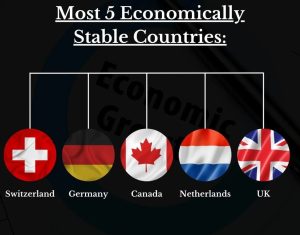
    Countries with the most stable economies are typically characterized by steady growth, low unemployment, low inflation, strong governance, diversified industries, high standards of living, and resilient financial systems. Here are some of the countries often ranked as having the most stable economies:


    1. Switzerland

    • Key Features:
      • Highly developed financial and banking sector.
      • Low unemployment and strong currency (Swiss Franc).
      • Politically neutral and stable government.
      • Economy driven by pharmaceuticals, manufacturing, and banking.

    2. Germany

    • Key Features:
      • Largest economy in Europe with strong industrial and export sectors.
      • Low inflation and unemployment rates.
      • Leader in automotive and engineering industries.
      • Stability rooted in disciplined fiscal policies and governance.

    3. Norway

    • Key Features:
      • Wealth from oil and natural gas managed in a sovereign wealth fund.
      • Low unemployment and high living standards.
      • Diversified economy focusing on renewable energy, fisheries, and shipping.
      • Strong social welfare system and low corruption.

    4. Singapore

    • Key Features:
      • Leading global financial hub with a strong regulatory framework.
      • Low tax rates and pro-business policies.
      • Diversified economy focused on finance, trade, technology, and manufacturing.
      • Politically stable with a highly skilled workforce.

    5. Australia

    • Key Features:
      • Resilient economy driven by mining, agriculture, and services.
      • Consistent GDP growth and low unemployment rates.
      • Close economic ties with Asia, especially China.
      • Stable political environment and strong financial system.

    6. Canada

    • Key Features:
      • Wealth of natural resources (oil, gas, minerals).
      • Diverse economy with strong sectors in technology, finance, and agriculture.
      • Low inflation and stable housing market.
      • Strong governance and inclusive social policies.

    7. Japan

    • Key Features:
      • Third-largest economy globally, driven by technology and innovation.
      • Highly industrialized with strong automotive and electronics sectors.
      • Low unemployment and high levels of technological infrastructure.
      • Stable government with a focus on monetary and fiscal policy.

    8. United States

    • Key Features:
      • World’s largest economy, diversified across finance, technology, manufacturing, and agriculture.
      • Strong consumer spending and innovation ecosystem.
      • Stable financial institutions despite occasional market volatility.
      • High labor productivity and a global reserve currency (USD).

    9. Sweden

    • Key Features:
      • Diversified economy with strong technology, manufacturing, and finance sectors.
      • Low unemployment and a robust welfare state.
      • High innovation and research investment.
      • Politically stable and transparent governance.

    10. Netherlands

    • Key Features:
      • Trade and logistics hub in Europe, with a strong financial and agricultural sector.
      • Low unemployment and inflation rates.
      • One of the world’s largest exporters of agricultural products.
      • Politically stable with a strong emphasis on sustainability.

    11. Finland

    • Key Features:
      • Strong education system and technology-driven economy.
      • Low corruption and high social trust.
      • Politically stable and high-quality healthcare.
      • Leading sectors include electronics, paper, and renewable energy.

    12. United Arab Emirates (UAE)

    • Key Features:
      • Oil wealth reinvested into diversified sectors such as real estate, tourism, and finance.
      • Low taxes and pro-business environment.
      • Stable currency (Dirham) and large sovereign wealth funds.
      • Strong infrastructure and global trade connections.

    Conclusion:

    Economic stability is often tied to strong institutions, governance, and diversified industries. Countries like Switzerland, Germany, and Singapore consistently rank high in economic stability due to their prudent policies, global competitiveness, and commitment to innovation.

  • ECOWAS PRESIDENT TILL DATE

    ECOWAS PRESIDENT TILL DATE


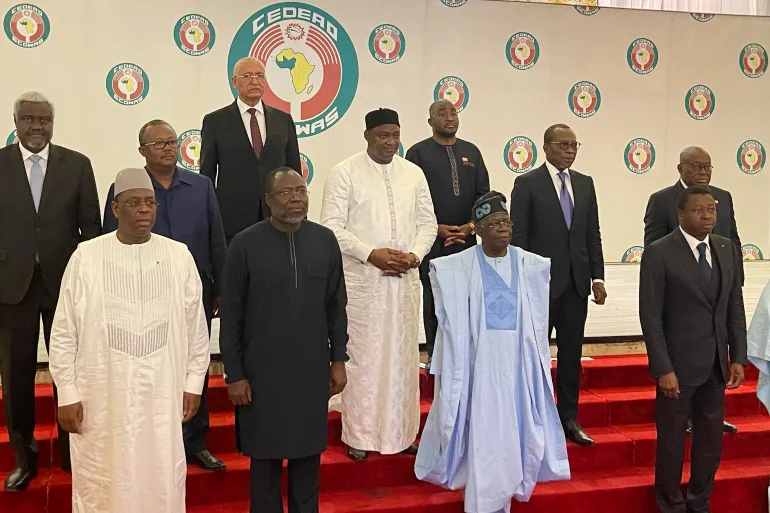
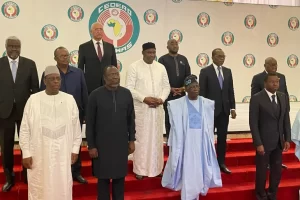
    The Economic Community of West African States (ECOWAS) operates under a leadership structure comprising the Chairman of the Authority of Heads of State and Government and the President of the ECOWAS Commission.

    Chairman of the Authority of Heads of State and Government:

    • Current Chairman: As of January 2025, the Chairman is President Bola Ahmed Tinubu of Nigeria. He was first elected to this position on July 9, 2023, during the 63rd Ordinary Session in Bissau, Guinea-Bissau. He was re-elected on July 7, 2024, at the 65th Ordinary Session in Abuja, Nigeria.

    President of the ECOWAS Commission:

    • Current President: Dr. Omar Alieu Touray from The Gambia serves as the President of the ECOWAS Commission. He was appointed on July 3, 2022, for a four-year term.

    The Chairman of the Authority is typically a sitting head of state from a member country, elected by peers to serve a one-year term, which can be renewed. In contrast, the President of the ECOWAS Commission is appointed to manage the day-to-day operations of the organization.

    For a comprehensive list of past Chairpersons and Presidents, you may refer to the official ECOWAS website or consult reputable sources such as the ECOWAS Wikipedia page.

  • Michael Collins Ajereh, professionally known as Don Jazzy Biography

    Michael Collins Ajereh, professionally known as Don Jazzy Biography


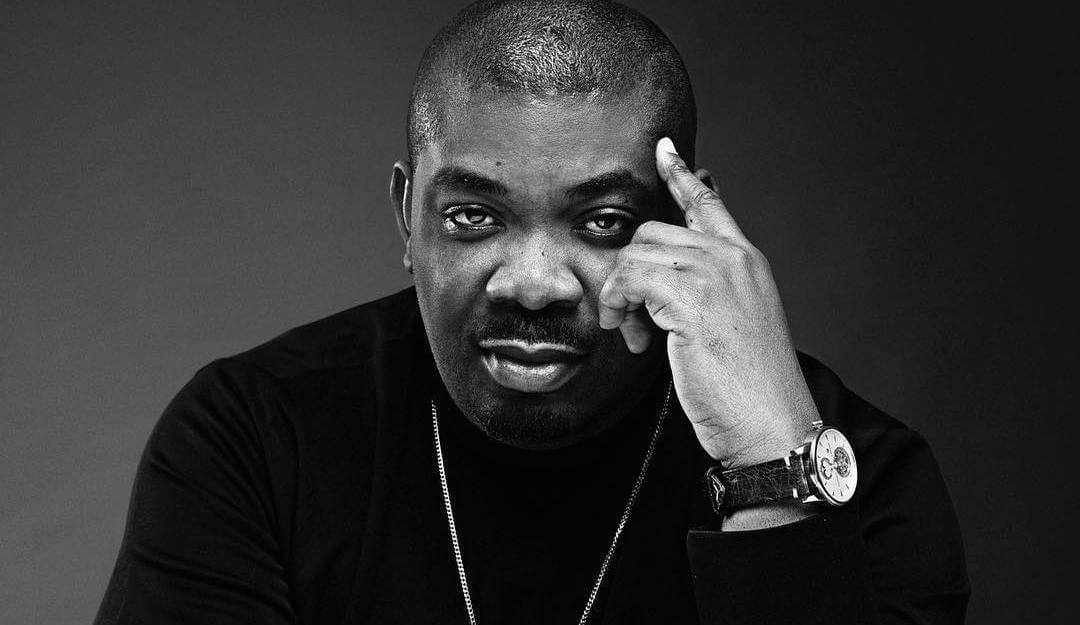
    Michael Collins Ajereh, professionally known as Don Jazzy, is a prominent Nigerian record producer, singer, songwriter, and entrepreneur. Born on November 26, 1982, in Umuahia, Abia State, Nigeria, he has significantly influenced the Nigerian and African music industries.

    Early Life and Education

    Don Jazzy’s family moved to Ajegunle, Lagos, where he was raised. He attended Federal Government College Lagos for his secondary education. From a young age, he exhibited a keen interest in music, learning to play the bass guitar and piano by age 12. He also gained proficiency in traditional and percussion instruments. Don Jazzy pursued business management studies at Ambrose Alli University in Ekpoma, Edo State.

    Career Beginnings

    In 2000, Don Jazzy’s uncle invited him to London to play drums for a local church, marking his first visit to the UK. While in London, he worked as a security guard at McDonald’s and continued to nurture his passion for music. He collaborated with artists such as Solek, JJC Skillz, Kas, Jesse Jagz, The 419 Squad, and D’Banj during this period.

    Mo’ Hits Records

    In 2004, Don Jazzy co-founded Mo’ Hits Records with D’Banj. The label became a powerhouse in the Nigerian music scene, producing numerous hits and popularizing the Afrobeats genre. Don Jazzy’s exceptional production skills played a pivotal role in the label’s success.

    Mavin Records

    Following the dissolution of Mo’ Hits Records in 2012, Don Jazzy established Mavin Records on May 8, 2012. The label quickly rose to prominence, signing and nurturing talents such as D’Prince, Rema, and Ayra Starr. Under his leadership, Mavin Records has become one of Africa’s leading music labels.

    International Collaborations

    Between 2011 and 2013, Don Jazzy served as an in-house producer for Kanye West’s GOOD Music, contributing to various international projects and expanding his influence beyond Africa.

    Personal Life

    Don Jazzy is known for his reserved personal life. In a surprising revelation, he disclosed that he got married 18 years ago but the marriage ended due to his dedication to music.

    Legacy

    Don Jazzy’s contributions have been instrumental in shaping the Nigerian music industry. His ability to discover and mentor new talent has ensured the continuous growth and global recognition of Afrobeats. As a producer, entrepreneur, and mentor, Don Jazzy remains a central figure in African music.


  • he “most educated” countries in Africa are generally ranked based on factors such as literacy rates, school enrollment, government investment

    he “most educated” countries in Africa are generally ranked based on factors such as literacy rates, school enrollment, government investment


    The “most educated” countries in Africa are generally ranked based on factors such as literacy rates, school enrollment, government investment in education, and the number of universities and graduates. Here’s a list of the top contenders:


    1. Seychelles

    • Literacy Rate: Over 95%
    • Highlights: Seychelles boasts the highest literacy rate in Africa. Education is free and compulsory up to age 16.
    • Key Strength: The government has consistently prioritized education, making it accessible and of high quality.

    2. Tunisia

    • Literacy Rate: Approximately 81%–84%
    • Highlights: Tunisia has a well-established education system and a significant number of university graduates.
    • Key Strength: Investments in STEM education and a strong focus on higher education.

    3. South Africa

    • Literacy Rate: Approximately 87%
    • Highlights: Home to some of the continent’s best universities, including the University of Cape Town and the University of the Witwatersrand.
    • Key Strength: A robust higher education sector, attracting students from across Africa.

    4. Algeria

    • Literacy Rate: Approximately 81%
    • Highlights: Algeria has made significant strides in improving access to education, especially at the primary and secondary levels.
    • Key Strength: High government spending on education and a large number of technical and vocational training institutions.

    5. Botswana

    • Literacy Rate: Approximately 89%
    • Highlights: Botswana has a strong education system and a literacy rate among the highest in Africa.
    • Key Strength: Free primary education and government-sponsored tertiary education.

    6. Morocco

    • Literacy Rate: Approximately 73%–77%
    • Highlights: Morocco has made significant progress in reducing illiteracy through national literacy programs.
    • Key Strength: Expansion of higher education and technical training institutes.

    7. Kenya

    • Literacy Rate: Approximately 82%
    • Highlights: Kenya is known for its high school enrollment rates and a strong emphasis on STEM education.
    • Key Strength: A growing number of universities and innovations in digital learning.

    8. Egypt

    • Literacy Rate: Approximately 73%–77%
    • Highlights: Home to the historic Al-Azhar University and a strong higher education system.
    • Key Strength: Significant government investments in research and education.

    9. Ghana

    • Literacy Rate: Approximately 79%
    • Highlights: Ghana has a well-developed education system, with free Senior High School (SHS) policies implemented.
    • Key Strength: A strong focus on universal access to education and quality teaching.

    10. Rwanda

    • Literacy Rate: Approximately 76%
    • Highlights: Rwanda has achieved remarkable progress in education since the 1994 genocide.
    • Key Strength: High government spending on education and innovative use of technology in schools.

    Notable Mentions

    • Mauritius: With a literacy rate of approximately 91%, it boasts a well-structured education system.
    • Zimbabwe: Despite economic challenges, Zimbabwe has one of the highest literacy rates in Africa (over 88%).
    • Namibia: Literacy rate is approximately 91%, with significant investments in universal primary education.

    Summary

    The most educated countries in Africa are characterized by high literacy rates, significant investments in education, and robust policies ensuring access to learning for all citizens. Seychelles, South Africa, and Botswana stand out as leaders in prioritizing education on the continent.

  • Here’s a list of notable Africans who have gained global recognition and success in various fields

    Here’s a list of notable Africans who have gained global recognition and success in various fields


    Here’s a list of notable Africans who have gained global recognition and success in various fields such as business, entertainment, sports, academia, and technology. These individuals showcase Africa’s talent and contributions to the global stage:


    Business and Technology

    1. Elon Musk (South Africa)
      • Profession: CEO of Tesla, SpaceX, Neuralink, and other ventures.
      • Highlights: Born in Pretoria, South Africa, Musk is one of the world’s wealthiest individuals and a leading innovator in tech and space exploration.
    2. Tidjane Thiam (Côte d’Ivoire)
      • Profession: Banker and former CEO of Credit Suisse.
      • Highlights: Known for his leadership in global finance and contributions to financial services.
    3. Fred Swaniker (Ghana)
      • Profession: Founder of African Leadership Academy.
      • Highlights: Recognized for developing young African leaders through his educational initiatives.
    4. Tope Awotona (Nigeria)
      • Profession: Founder of Calendly.
      • Highlights: Created a widely-used scheduling software, making waves in the tech industry.
    5. Ibukun Awosika (Nigeria)
      • Profession: Businesswoman and former Chair of First Bank of Nigeria.
      • Highlights: A global speaker and advocate for women in leadership.

    Entertainment

    1. Lupita Nyong’o (Kenya)
      • Profession: Actress.
      • Highlights: Oscar-winning actress for 12 Years a Slave and a prominent figure in Hollywood.
    2. Chimamanda Ngozi Adichie (Nigeria)
      • Profession: Author.
      • Highlights: Known for novels like Half of a Yellow Sun and Americanah, and for her global advocacy for feminism.
    3. Trevor Noah (South Africa)
      • Profession: Comedian and former host of The Daily Show.
      • Highlights: A global voice in comedy and social commentary.
    4. Burna Boy (Nigeria)
      • Profession: Musician.
      • Highlights: Grammy-winning Afrobeat artist making waves on the global music scene.
    5. Aya Nakamura (Mali/France)
      • Profession: Musician.
      • Highlights: Internationally recognized for her hit songs blending Afrobeat and French pop.

    Sports

    1. Kylian Mbappé (Cameroon/France)
      • Profession: Footballer.
      • Highlights: One of the world’s top football players, with roots in Cameroon and Algeria.
    2. Giannis Antetokounmpo (Nigeria/Greece)
      • Profession: Basketball player (NBA).
      • Highlights: Two-time NBA MVP and a global ambassador for basketball.
    3. Francis Ngannou (Cameroon)
      • Profession: MMA fighter.
      • Highlights: Former UFC Heavyweight Champion and a global symbol of perseverance.
    4. Mohamed Salah (Egypt)
      • Profession: Footballer.
      • Highlights: Star player for Liverpool FC and an icon in international football.
    5. Caster Semenya (South Africa)
      • Profession: Athlete.
      • Highlights: Two-time Olympic gold medalist in middle-distance running.

    Academia and Advocacy

    1. Ngozi Okonjo-Iweala (Nigeria)
      • Profession: Economist and Director-General of the WTO.
      • Highlights: The first African woman to lead the World Trade Organization.
    2. Leymah Gbowee (Liberia)
      • Profession: Peace activist.
      • Highlights: Nobel Peace Prize winner for her role in ending Liberia’s civil war.
    3. Wangari Maathai (Kenya)
      • Profession: Environmentalist.
      • Highlights: The first African woman to win the Nobel Peace Prize for her environmental activism.
    4. Ameenah Gurib-Fakim (Mauritius)
      • Profession: Scientist and former President of Mauritius.
      • Highlights: Renowned for her work in biodiversity and medicinal plants.
    5. Ali Mazrui (Kenya)
      • Profession: Academic and historian.
      • Highlights: A globally respected intellectual known for his work on African history and politics.

    Other Fields

    1. Magatte Wade (Senegal)
      • Profession: Entrepreneur.
      • Highlights: Advocate for entrepreneurship in Africa and founder of successful brands like Adina World Beverages.
    2. Fatma Samoura (Senegal)
      • Profession: FIFA Secretary General.
      • Highlights: The first African and first woman to hold this role.
    3. Pierre Omidyar (Ethiopia/Iran/USA)
      • Profession: Founder of eBay.
      • Highlights: Though born in Paris, he has Ethiopian roots and created one of the largest online marketplaces.

    This list highlights just a fraction of the many Africans excelling globally. Their achievements not only bring pride to their nations but also inspire future generations across the continent and beyond.