Category: HISTORY

  • list of some of the wealthiest African countries based on these metrics

    list of some of the wealthiest African countries based on these metrics

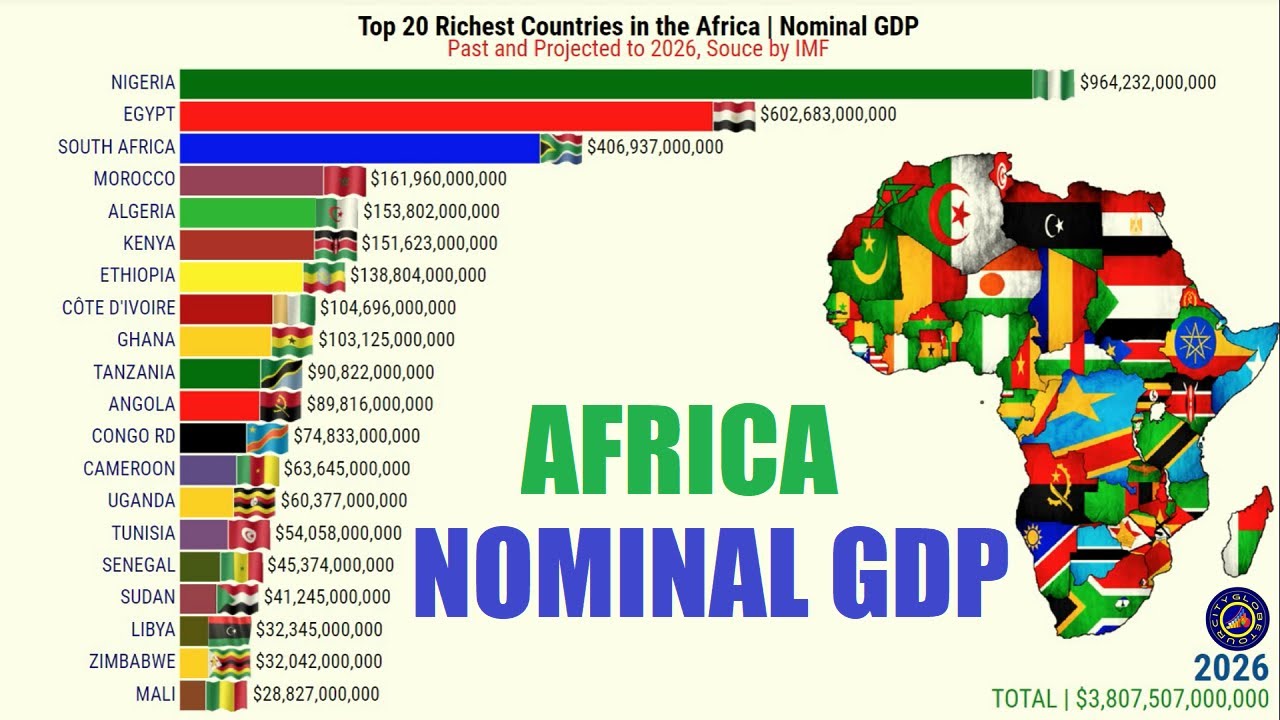
    The richest countries in Africa are typically measured by their Gross Domestic Product (GDP) or GDP per capita (which accounts for population size). Below is a list of some of the wealthiest African countries based on these metrics:

    Richest Countries by Total GDP (Nominal)

    These countries have the largest economies based on total output:

    1. Nigeria
      • GDP (2023): $504.2 billion
      • Key Industries: Oil and gas, agriculture, telecommunications.
      • Highlights: Africa’s largest economy and the most populous country. Oil accounts for about 90% of export revenue.
    2. South Africa
      • GDP (2023): $399 billion
      • Key Industries: Mining (gold, platinum, diamonds), manufacturing, financial services.
      • Highlights: South Africa has a highly diversified economy.
    3. Egypt
      • GDP (2023): $387 billion
      • Key Industries: Tourism, agriculture, natural gas, textiles.
      • Highlights: A leading country in North Africa with a strategic location near the Suez Canal.
    4. Algeria
      • GDP (2023): $206 billion
      • Key Industries: Oil and gas.
      • Highlights: Algeria is a major energy exporter with vast hydrocarbon reserves.
    5. Morocco
      • GDP (2023): $142 billion
      • Key Industries: Tourism, agriculture, automotive, phosphates.
      • Highlights: A stable and growing economy with strong trade ties to Europe.

    Richest Countries by GDP per Capita (PPP)

    These countries have the highest average wealth per person (adjusted for purchasing power):

    1. Seychelles
      • GDP per Capita (2023): $18,000 (PPP)
      • Key Industries: Tourism, fishing, offshore finance.
      • Highlights: The smallest country in Africa but one of the most affluent.
    2. Mauritius
      • GDP per Capita (2023): $13,000 (PPP)
      • Key Industries: Tourism, textiles, financial services, sugar.
      • Highlights: Known for political stability and a growing financial services sector.
    3. Equatorial Guinea
      • GDP per Capita (2023): $11,000 (PPP)
      • Key Industries: Oil and gas.
      • Highlights: Small population but significant oil wealth.
    4. Botswana
      • GDP per Capita (2023): $8,500 (PPP)
      • Key Industries: Diamond mining, tourism, agriculture.
      • Highlights: One of Africa’s most stable economies, known for prudent fiscal policies.
    5. Gabon
      • GDP per Capita (2023): $8,200 (PPP)
      • Key Industries: Oil, manganese, timber.
      • Highlights: A resource-rich country with significant oil and mineral reserves.

    Notable Mentions

    • Angola: Oil wealth has contributed significantly to its GDP.
    • Tunisia: A diversified economy with tourism, manufacturing, and agriculture.
    • Kenya: East Africa’s economic hub, driven by agriculture, technology, and tourism.
    • Ethiopia: One of Africa’s fastest-growing economies, though GDP per capita remains low due to population size.

    These rankings fluctuate over time due to economic growth, commodity prices, and other factors such as political stability and policy reforms.
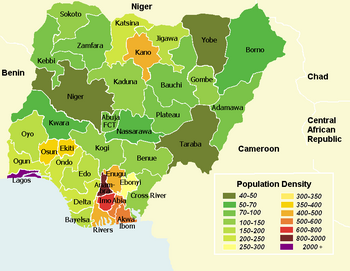
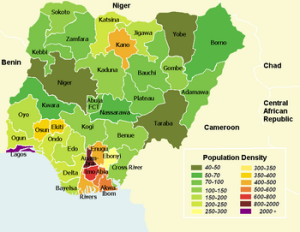
  • However, based on available estimates, the following states are recognized as the most populous in nigeria

    However, based on available estimates, the following states are recognized as the most populous in nigeria


    Nigeria, with an estimated population exceeding 230 million, is the most populous country in Africa. The distribution of this population varies significantly across its 36 states and the Federal Capital Territory. Determining the exact population of each state can be challenging due to varying data sources and the time elapsed since the last official census. However, based on available estimates, the following states are recognized as the most populous:

    1. Lagos State: Located in the southwestern region, Lagos is Nigeria’s smallest state by land area but the most densely populated. Estimates suggest a population ranging from approximately 9 million to over 17 million, depending on the source. The city of Lagos, the state’s capital, is a major financial and cultural hub.
    2. Kano State: Situated in the northwestern part of Nigeria, Kano is one of the country’s largest states by land area. It has a significant population, with estimates around 16 million people. The city of Kano serves as a major commercial and industrial center in the region.
    3. Katsina State: Also located in the northwest, Katsina has an estimated population of approximately 9.3 million people. The state shares a border with the Republic of Niger and has a predominantly agrarian economy.
    4. Kaduna State: Found in the north-central region, Kaduna has an estimated population of about 8.4 million. The state is known for its diverse ethnic composition and serves as a significant political and cultural center.
    5. Bauchi State: Located in the northeastern part of Nigeria, Bauchi has an estimated population of around 7.6 million people. The state is known for its rich cultural heritage and natural attractions, including the Yankari National Park.

    It’s important to note that these figures are estimates and may vary between sources. The most recent comprehensive national census in Nigeria was conducted in 2006, and subsequent population figures have been based on projections. The Nigerian government has announced plans to conduct a new census to obtain updated and accurate demographic data.

    Understanding the population distribution across Nigeria’s states is crucial for effective policy planning, resource allocation, and addressing regional developmental needs.

  • Below is a chronological list of Nigeria’s Senate Presidents to date

    Below is a chronological list of Nigeria’s Senate Presidents to date


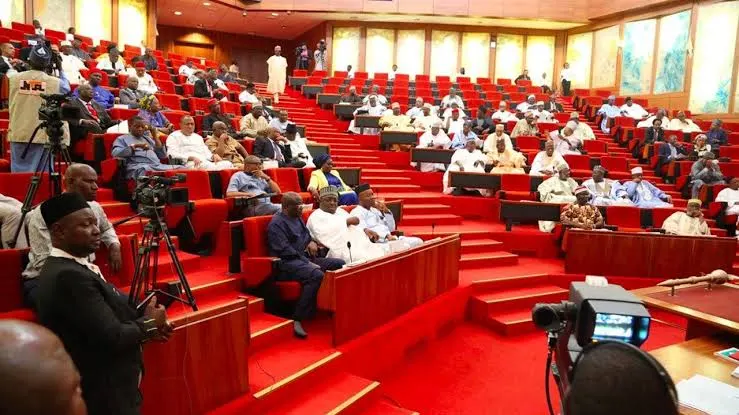
    The President of the Senate is a pivotal figure in Nigeria’s legislative branch, presiding over the upper chamber of the National Assembly. Since Nigeria’s independence in 1960, the position has been held by various distinguished individuals across different republics and political eras. Below is a chronological list of Nigeria’s Senate Presidents to date:

    First Republic (1960 – 1966):

    1. Nnamdi Azikiwe
      • Term: January 1, 1960 – October 1, 1960
      • Party: National Council of Nigeria and the Cameroons (NCNC)
    2. Dennis Osadebay
      • Term: October 1, 1960 – October 1, 1963
      • Party: NCNC
    3. Nwafor Orizu
      • Term: October 1, 1963 – January 15, 1966
      • Party: NCNC

    Second Republic (1979 – 1983):

    1. Joseph Wayas
      • Term: October 1, 1979 – December 31, 1983
      • Party: National Party of Nigeria (NPN)

    Third Republic (1992 – 1993):

    1. Iyorchia Ayu
      • Term: December 5, 1992 – November 1993
      • Party: Social Democratic Party (SDP)
    2. Ameh Ebute
      • Term: November 1993 – November 17, 1993
      • Party: SDP

    Fourth Republic (1999 – Present):

    1. Evan Enwerem
      • Term: June 3, 1999 – November 18, 1999
      • Party: People’s Democratic Party (PDP)
    2. Chuba Okadigbo
      • Term: November 18, 1999 – August 8, 2000
      • Party: PDP
    3. Anyim Pius Anyim
      • Term: August 8, 2000 – June 3, 2003
      • Party: PDP
    4. Adolphus Wabara
      • Term: June 3, 2003 – April 5, 2005
      • Party: PDP
    5. Ken Nnamani
      • Term: April 5, 2005 – June 5, 2007
      • Party: PDP
    6. David Mark
      • Term: June 5, 2007 – June 6, 2015
      • Party: PDP
    7. Bukola Saraki
      • Term: June 9, 2015 – June 9, 2019
      • Party: All Progressives Congress (APC)
    8. Ahmad Lawan
      • Term: June 11, 2019 – June 13, 2023
      • Party: APC
    9. Godswill Akpabio
      • Term: June 13, 2023 – Present
      • Party: APC

    Throughout Nigeria’s history, the role of the Senate President has been instrumental in shaping legislative processes and ensuring the balance of power within the federal government. The position has seen transitions through various political climates, reflecting the nation’s evolving democratic landscape.

  • Mozeal – Short Cut

    Title: Mozeal – Short Cut The EP

    Mozeal

    Mozeal – Short Cut 

    The EP

    BIG NEWS, MOZEAL FANS

    We’re excited to announce that Mozeal‘s highly anticipated EP, Short Cut, is officially available for FREE download

    Thanks to his record label, Fine Boys Connections, we’re giving YOU the chance to enjoy this amazing project without spending a dime.

    TRACK LIST

    1. Bitter Leave  DOWNLOAD MP3

    2. Landlord  DOWNLOAD MP3

    3. Fire  DOWNLOAD MP3

    4. Gimme Money  DOWNLOAD MP3

    5. Short Cut  DOWNLOAD MP3

    6. Don’t Give A Fuck  DOWNLOAD MP3