Category: HISTORY

  • cities across Africa have large populations of foreigners due to economic opportunities

    cities across Africa have large populations of foreigners due to economic opportunities


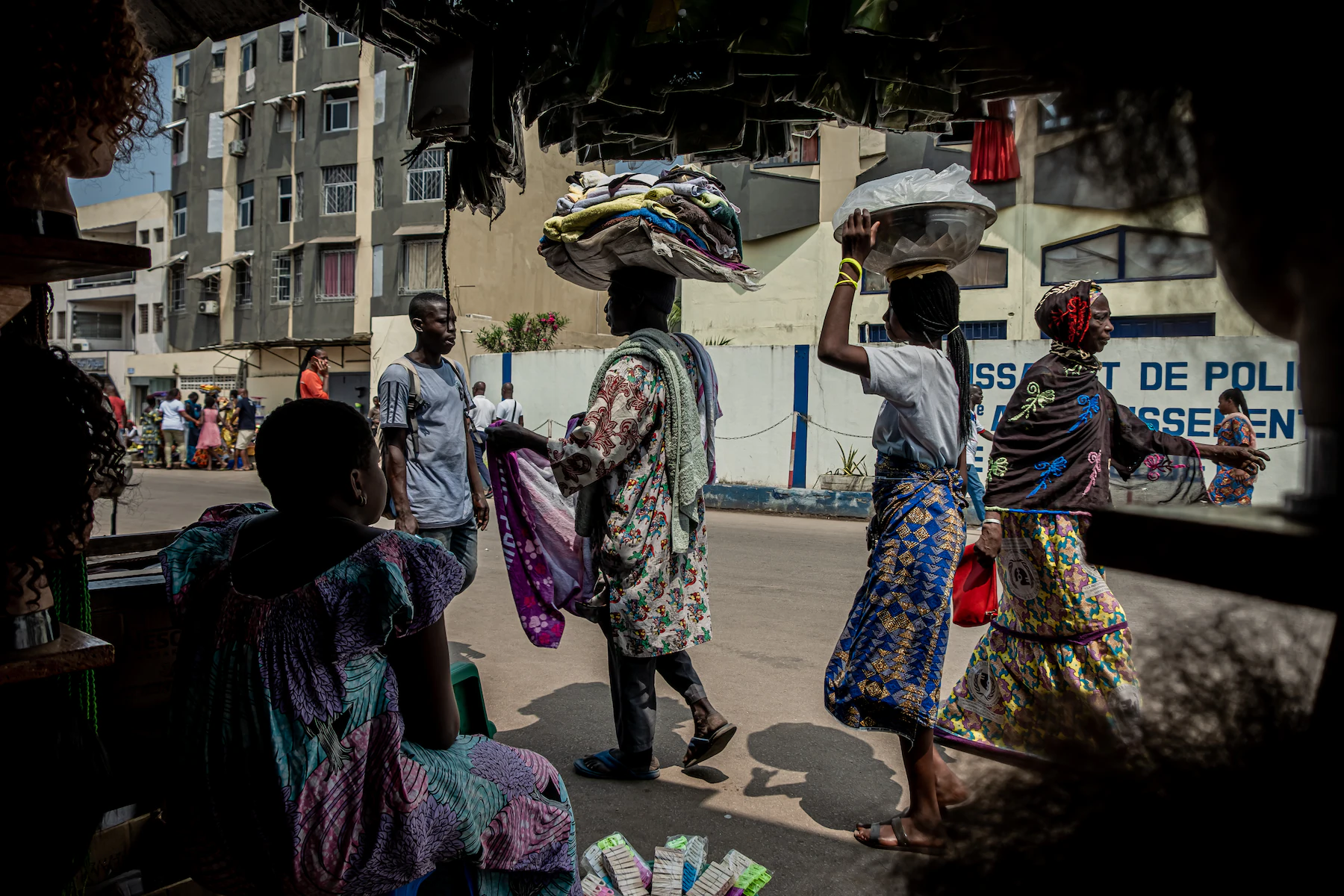
    Several cities across Africa have large populations of foreigners due to economic opportunities, diplomatic presence, and multinational corporations. These cities serve as hubs for industries such as oil and gas, mining, finance, technology, and tourism.

    1. Johannesburg, South Africa

    • A major financial and business hub in Africa.
    • Attracts expatriates in banking, technology, and mining.
    • Large communities of Europeans, Chinese, and other African nationals.

    2. Lagos, Nigeria

    • Africa’s largest city and a major financial center.
    • Hosts expatriates in oil and gas, finance, and technology.
    • Significant presence of Lebanese, Indian, and Chinese businesspeople.

    3. Nairobi, Kenya

    • A key city for diplomacy and international organizations (UN, NGOs).
    • A hub for tech startups, tourism, and finance.
    • Many expatriates from Europe, the U.S., China, and India.

    4. Cape Town, South Africa

    • A global tourist destination and home to many expatriates in tourism, tech, and creative industries.
    • Large European expatriate community, especially from the UK and Germany.

    5. Accra, Ghana

    • A growing financial and business hub in West Africa.
    • Attracts expatriates in oil, finance, and trade.
    • Large communities of Chinese, Indian, and Lebanese businesspeople.

    6. Luanda, Angola

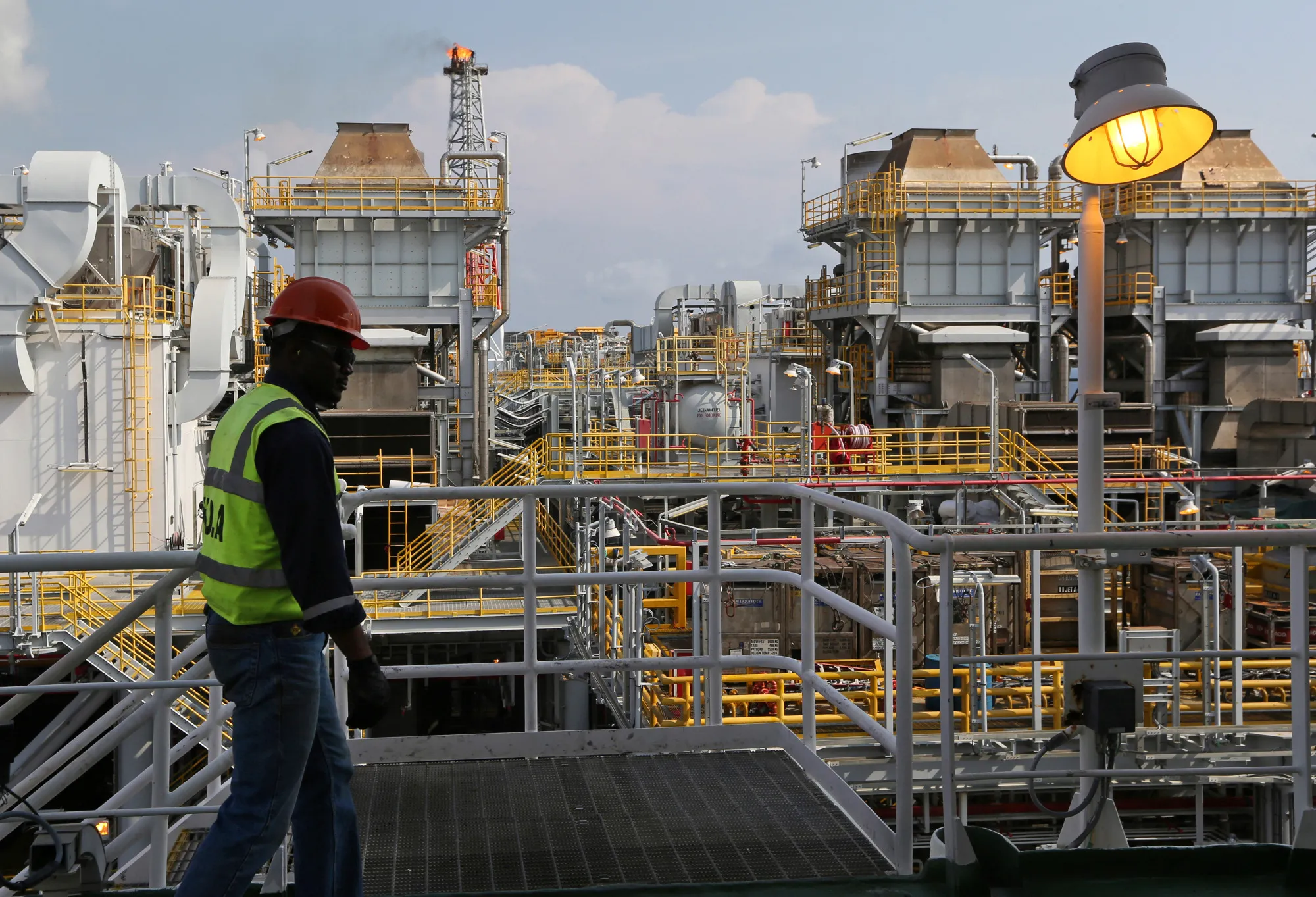
    • A major oil hub with a strong presence of foreign workers, particularly in petroleum and construction.
    • Many expatriates from Portugal, China, and Brazil.

    7. Addis Ababa, Ethiopia

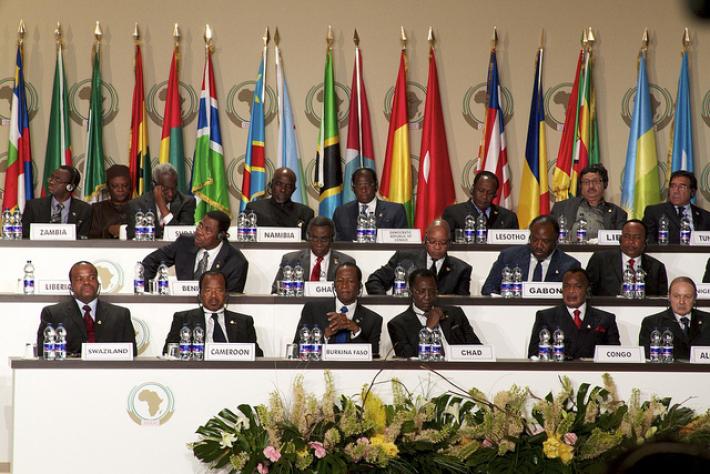
    • The headquarters of the African Union and many international organizations.
    • A diplomatic and airline hub with many expatriates from Europe and Asia.

    8. Dakar, Senegal

    • A key West African city with a strong diplomatic and business presence.
    • Many French and other European expatriates live and work in Dakar.

    9. Cairo, Egypt

    • One of Africa’s largest cities with a mix of diplomatic, business, and industrial activities.
    • Large expatriate communities from Europe, the Middle East, and Africa.

    10. Dar es Salaam, Tanzania

    • A major port city and economic hub in East Africa.
    • Attracts expatriates in trade, finance, and tourism.

    11. Casablanca, Morocco

    • A key financial and industrial hub in North Africa.
    • Many expatriates from France, Spain, and the Middle East.

    12. Abidjan, Côte d’Ivoire

    • A growing economic center in West Africa.
    • Hosts many French, Lebanese, and Chinese businesspeople.

    13. Maputo, Mozambique

    • A port city with strong ties to Portugal and a growing expatriate community in gas and mining.

    14. Windhoek, Namibia

    • Attracts foreign workers in mining, tourism, and conservation.
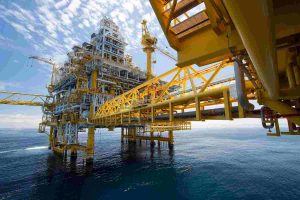
  • How Crude oil was discovered in Africa

    How Crude oil was discovered in Africa


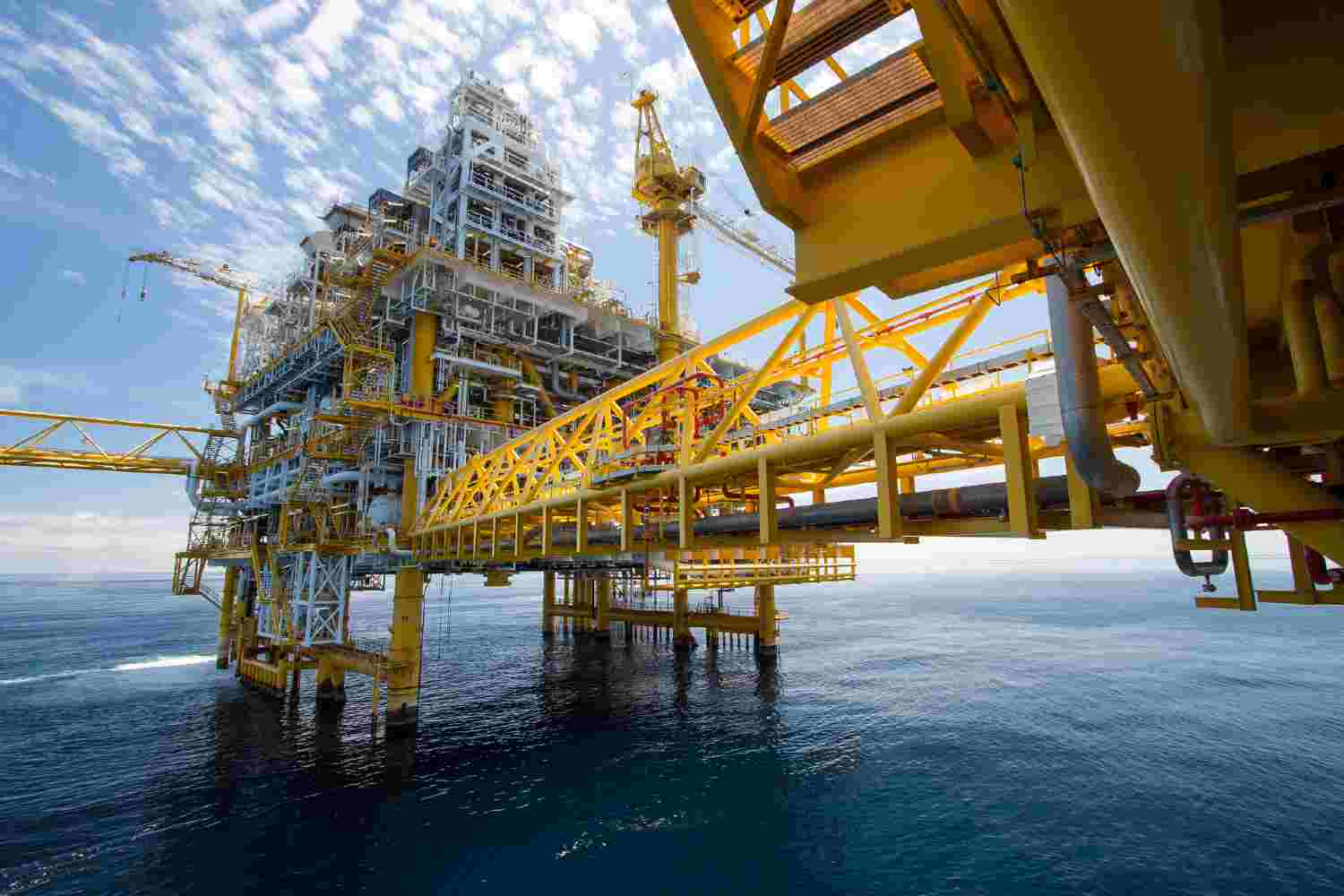
    Crude oil was discovered in Africa through exploratory drilling and geological surveys conducted by colonial powers and multinational oil companies. The discovery process varied across different regions, but it generally followed advancements in geological studies and technology.

    Early Discoveries and Exploration

    1. North Africa (Algeria, Libya, Egypt)
      • In 1908, oil was discovered in Egypt, making it one of the earliest known crude oil finds in Africa.
      • Algeria and Libya saw major discoveries in the 1950s, with Libya becoming a significant oil producer.
    2. West Africa (Nigeria, Ghana, Angola, Gabon, Ivory Coast)
      • The first commercial oil discovery in Nigeria was in 1956 at Oloibiri, in the Niger Delta, by Shell-BP.
      • Angola and Gabon saw major discoveries in the 1950s and 1960s.
      • Ghana discovered oil in commercial quantities in 2007 (Jubilee Field).
    3. Central Africa (Chad, Sudan, Republic of Congo, Equatorial Guinea)
      • Oil was discovered in Chad in 1970 but was commercially exploited in the early 2000s.
      • Sudan’s oil industry began to grow in the late 20th century, despite political challenges.
    4. East Africa (Uganda, Kenya, Tanzania, Mozambique)
      • East Africa had relatively late discoveries. Uganda found oil in the Lake Albert region in 2006.
      • Kenya discovered oil in 2012 in Turkana.
      • Mozambique and Tanzania have large natural gas reserves.

    Methods of Discovery

    • Geological Surveys: Early prospectors used surface studies, analyzing rock formations for potential oil traps.
    • Seismic Exploration: Sound waves were sent into the ground to map underground structures.
    • Exploratory Drilling: Once a promising area was identified, test wells were drilled to confirm oil presence.

    Impact of Oil Discovery

    • Boosted economies but also led to environmental concerns, conflicts, and corruption in some regions.
    • Countries like Nigeria and Angola became major oil exporters.
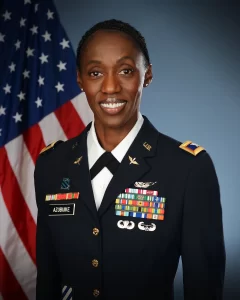
  • Brigadier General Amanda Azubuike


    Brigadier General Amanda Azubuike, of Nigerian descent, made history as the first Nigerian female to attain the rank of Brigadier General in the United States Army. She was promoted in a ceremony at Fort Knox, Kentucky.

    Born in the UK to Nigerian parents, Azubuike joined the U.S. Army in 1994 as an aviation officer. Over the years, she has built a distinguished military career, serving in various leadership and strategic roles. Her expertise spans aviation, public affairs, and strategic communications, with service in multiple assignments, including the U.S. Army Futures Command and the Pentagon.

    Her promotion is a significant milestone, serving as an inspiration to many, especially women of African descent pursuing military careers.

  • Annie Idibia: Biography, Career & Personal Life


    Annie Idibia: Biography, Career & Personal Life

    Full Name: Annie Macaulay-Idibia
    Date of Birth: November 13, 1984
    Place of Birth: Ibadan, Oyo State, Nigeria
    State of Origin: Akwa Ibom State, Nigeria
    Nationality: Nigerian
    Profession: Actress, Model, Entrepreneur
    Spouse: Innocent “2Baba” Idibia (Nigerian music legend)
    Children: Two daughters (Isabella & Olivia Idibia)

    Early Life & Education

    Annie Idibia was born in Ibadan, Oyo State, Nigeria, but hails from Akwa Ibom State. She was raised in Lagos, where she pursued her education.

    Education:
    Lagos State University (LASU) – Studied Computer Science
    University of Lagos (UNILAG) – Studied Theatre Arts

    Acting Career

    Annie Idibia rose to fame in the Nigerian film industry (Nollywood) after featuring in movies and TV series.

    Notable Movies & TV Shows:

    – Pleasure and Crime
    – Blackberry Babes
    – Return of Blackberry Babes
    – First Family
    – Beautiful Monster
    – Open Scar
    – Power of 1
    – Aso Ebi

    She gained widespread recognition after appearing in the 2004 movie “Pleasure and Crime” and later featured in numerous Nollywood productions.

    Business & Entrepreneurship

    Annie Idibia is also a businesswoman. She runs:
    “BeOlive Hair Studio” – A beauty and hair salon based in Atlanta, USA.
    Brand Ambassador Deals – Worked with brands like Slim Tea Nigeria, L’Avyanna Skincare, and Make Me Beauty Place.

    Personal Life: Marriage to 2Baba

    Annie Idibia is married to legendary Nigerian musician Innocent “2Baba” Idibia.

    Marriage:

    • The couple got married in 2012 in a grand ceremony in Dubai.
    • She has two daughters (Isabella & Olivia Idibia) with 2Baba.
    • Annie has supported 2Baba throughout his career despite controversies surrounding his previous relationships.

    In 2021, she starred in Netflix’s reality TV show “Young, Famous & African”, where she spoke about the struggles in her marriage.

    Social Media & Influence

    Instagram: @annieidibia1
    Philanthropy: Advocates for women empowerment and child education.

    Conclusion

    Annie Idibia is a talented actress, entrepreneur, and philanthropist. Despite challenges in her marriage with 2Baba, she remains a strong figure in Nollywood and an inspiration to young women.

  • Most Practiced Religions in the Afro-Caribbean

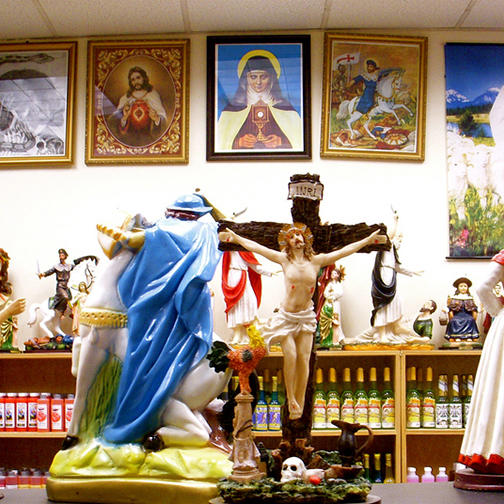
    Most Practiced Religions in the Afro-Caribbean


    Most Practiced Religions in the Afro-Caribbean

    The Afro-Caribbean region has a diverse religious landscape, influenced by African traditions, European colonialism, and indigenous beliefs. The most practiced religions include Christianity, Islam, African Traditional Religions (ATR), and syncretic religions that blend multiple faiths.

    Christianity  (Most Dominant Religion)

    Introduced by European colonizers (British, French, Spanish, Portuguese, Dutch).
    The majority of Afro-Caribbean people identify as Christians.

    Main Christian Denominations:

    Roman Catholicism – Popular in Haiti, Dominican Republic, Cuba, and French-speaking islands.
    Protestantism – Strong in Jamaica, Barbados, Trinidad & Tobago, and African nations.
    Evangelical & Pentecostal Churches – Rapid growth in Nigeria, Ghana, and the Caribbean.
    Anglicanism – Found in Barbados, The Bahamas, and former British colonies.

    Countries with a Christian Majority:

    • Jamaica (Over 60% Protestant)
    • Haiti (Roman Catholic majority, with Vodou influence)
    • Barbados (Christian majority)
    • Trinidad & Tobago (Christian majority, but religious diversity)
    • Nigeria (Christian-Muslim divide)

    Islam

    Brought by West African enslaved people and later by Indian immigrants to the Caribbean.
    Muslim communities exist in both Africa and the Caribbean, but are smaller than Christian populations.

    Countries with a Significant Muslim Population:

    • Nigeria – About 50% Muslim (mainly in the North).
    • Senegal – Majority Muslim (95%), mostly Sufi Islam.
    • Gambia – Muslim majority (90%).
    • Trinidad & Tobago – Muslim minority from Indian migration.
    • Guyana & Suriname – Muslim communities exist among Indo-Caribbean people.

    African Traditional Religions (ATR)

    Based on ancestral worship, nature spirits, and deities.
    Includes Yoruba, Igbo, Akan, and other African spiritual systems. Strong in West Africa and the Caribbean (merged with Christianity & Vodou).

    Examples of ATR in Africa & the Caribbean:
    Ifá & Orisha Worship (Yoruba Religion – Nigeria, Benin, Togo)
    Vodou (Haiti, Benin, Togo, Ghana)
    Santería (Cuba, Puerto Rico, Dominican Republic)
    Obeah (Jamaica, Trinidad, Guyana, Barbados)
    Candomblé (Brazil, but with Afro-Caribbean influence)

    Rastafarianism

    Originated in Jamaica in the 1930s, influenced by Christianity & Pan-Africanism.
    Worships Emperor Haile Selassie of Ethiopia as a divine figure.
    Promotes African identity, dreadlocks, ital diet (natural food), and reggae music.

    Countries with a Strong Rastafarian Presence:

    • Jamaica (Birthplace, Bob Marley influence).
    • Trinidad & Tobago.
    • Barbados.
    • Ghana (Growing influence among African returnees).

    Hinduism & Other Indian Religions

    Brought by Indian indentured laborers to Trinidad, Guyana, Suriname, and Jamaica.
    Practices include puja (prayers), Diwali festivals, and yoga traditions.

    Countries with Hindu Communities:

    • Trinidad & Tobago (~20% Hindu).
    • Guyana (~24% Hindu).
    • Suriname (~22% Hindu).

    Summary: Religious Distribution in the Afro-Caribbean

    Religion

    Major Countries

    Influence

    Christianity (Catholic, Protestant, Evangelical)

    Jamaica,  Haiti,  Trinidad,  Nigeria

    Most dominant

    Islam (Sunni, Sufi, Shia)

    Nigeria, Senegal,  Gambia,  Guyana

    Strong in Africa, minor in the Caribbean

    African Traditional Religions (ATR)

    Nigeria,  Ghana,  Togo,  Haiti

    Mixed with Christianity & Vodou

    Rastafarianism

    Jamaica,  Barbados, Ghana

    Afrocentric spiritual movement

    Hinduism

    Trinidad, Guyana,  Suriname

    Brought by Indian immigrants

    Conclusion

    • Christianity is the dominant religion in both Africa and the Caribbean.
    • Islam is strong in West Africa but a minority in the Caribbean.
    • African Traditional Religions (Vodou, Santería, Ifá) still exist, mixed with Christianity.
    • Rastafarianism has a strong influence in Jamaica and Ghana.
    • Hinduism is present in countries with large Indian populations.
  • Most Famous Afro-Caribbean Basketball Players


    Most Famous Afro-Caribbean Basketball Players

    The Afro-Caribbean community has produced many legendary basketball players who have made a global impact, especially in the NBA. Many of these players have roots in Jamaica, the Dominican Republic, Haiti, and other Caribbean nations, while others are from African nations.

    1. Tim Duncan (U.S. Virgin Islands )

    Position: Power Forward / Center
    NBA Team: San Antonio Spurs (1997–2016) Achievements:

    • 5× NBA Champion (1999, 2003, 2005, 2007, 2014)
    • 3× NBA Finals MVP
    • 2× NBA MVP
    • Considered one of the greatest power forwards of all time

    2. Patrick Ewing (Jamaica )

    Position: Center
    NBA Team: New York Knicks (1985–2000)
    Achievements:

    • 11× NBA All-Star
    • NBA MVP Runner-Up (1990)
    • Basketball Hall of Fame Inductee
    • Led the Knicks to the NBA Finals (1994 & 1999)

    3. Hakeem Olajuwon (Nigeria )

    Position: Center
    NBA Team: Houston Rockets (1984–2002)
    Achievements:

    • 2× NBA Champion (1994, 1995)
    • NBA MVP (1994)
    • 12× NBA All-Star
    • One of the greatest defensive centers in NBA history

    4. Karl-Anthony Towns (Dominican Republic )

    Position: Center / Power Forward
    NBA Team: Minnesota Timberwolves (2015–present)
    Achievements:

    • NBA Rookie of the Year (2016)
    • 3× NBA All-Star
    • Represents the Dominican Republic in international competitions

    5. Al Horford (Dominican Republic )

    Position: Power Forward / Center
    NBA Team: Boston Celtics (2007–present)
    Achievements:

    • NBA Champion (2024)
    • 5× NBA All-Star
    • One of the most skilled big men in the NBA

    6. Andrew Wiggins (Jamaican Descent )

    Position: Small Forward
    NBA Team: Golden State Warriors (2014–present)
    Achievements:

    • NBA Champion (2022)
    • NBA All-Star (2022)
    • Born in Canada but has Jamaican heritage

    7. Deandre Ayton (Bahamas )

    Position: Center
    NBA Team: Phoenix Suns (2018–present)
    Achievements:

    • NBA Finals Appearance (2021)
    • #1 Overall Pick in the 2018 NBA Draft
    • Represents the Bahamas in international basketball

    8. Ben Simmons (Nigerian Descent )

    Position: Point Guard / Forward
    NBA Team: Brooklyn Nets (2016–present)
    Achievements:

    • NBA Rookie of the Year (2018)
    • 3× NBA All-Star
    • Born in Australia but has Nigerian heritage

    9. Buddy Hield (Bahamas )

    Position: Shooting Guard
    NBA Team: Indiana Pacers (2016–present)
    Achievements:

    • 3-Point Contest Champion (2020)
    • One of the best three-point shooters in the NBA
    • Represents the Bahamas in international basketball

    Honorable Mentions

    Chris Bosh (Saint Lucia Heritage ) – 2× NBA Champion with the Miami Heat
    Shai Gilgeous-Alexander (Jamaican Descent ) – NBA All-Star, plays for the Oklahoma City Thunder
    Roy Hibbert (Jamaican Heritage ) – Former Indiana Pacers center
    Luol Deng (Sudanese-British ) – Former NBA All-Star
    Andre Drummond (Jamaican Descent ) – NBA rebounding leader

    Conclusion

    • Tim Duncan and Patrick Ewing are the greatest Caribbean-born NBA players.
    • Hakeem Olajuwon and Karl-Anthony Towns dominate with African & Caribbean heritage.
    • New stars like Deandre Ayton & Buddy Hield are carrying the legacy forward.
  • Crude Oil Production in Nigeria

    Crude Oil Production in Nigeria


    Crude Oil Production in Nigeria 🇳🇬

    Nigeria is one of Africa’s largest oil producers and a major global supplier of crude oil. The country’s economy heavily depends on oil production and exports.


    1. Key Facts About Nigeria’s Crude Oil Production

    ✅ Largest oil producer in Africa (competing with Angola).
    ✅ Member of OPEC (Organization of Petroleum Exporting Countries).
    ✅ Major contributor to Nigeria’s GDP and government revenue.
    ✅ Produces various crude oil types, including Bonny Light (high-quality, low-sulfur).
    ✅ Niger Delta region is the main oil-producing area.


    2. Nigeria’s Crude Oil Reserves & Production Capacity

    📌 Proven Crude Oil Reserves: 37 billion barrels (11th largest in the world).
    📌 Average Daily Production (2024): 1.5 – 1.6 million barrels per day (bpd).
    📌 Peak Production (2005): Over 2.5 million bpd.

    🔹 Decline in production due to:

    • Oil theft & pipeline vandalism.
    • Militant attacks in the Niger Delta.
    • Underinvestment in oil infrastructure.
    • OPEC production quota restrictions.

    3. Major Oil Producing States in Nigeria 🛢️

    Nigeria’s oil production is concentrated in the Niger Delta region, including:

    🌍 Top Oil-Producing States:
    ✅ Rivers State (Bonny Island, Port Harcourt)
    ✅ Delta State (Warri, Escravos)
    ✅ Bayelsa State (Yenagoa, Brass)
    ✅ Akwa Ibom State (Eket, Ibeno)
    ✅ Ondo State (Ilaje, Okitipupa)
    ✅ Imo & Abia States (Owerri, Umuahia)


    4. Major Oil Companies Operating in Nigeria

    Nigeria’s crude oil production is dominated by multinational and local oil companies, including:

    🏭 International Oil Companies (IOCs):
    🔹 Shell Petroleum Development Company (SPDC)
    🔹 ExxonMobil
    🔹 Chevron
    🔹 TotalEnergies
    🔹 Eni (Agip)

    🏭 Nigerian Oil Companies:
    🔹 Nigerian National Petroleum Company Limited (NNPCL)
    🔹 Aiteo Group
    🔹 Seplat Energy
    🔹 Oando PLC


    5. Nigeria’s Oil Export & Global Market

    📌 Main Export Destination:
    Nigeria exports crude oil to Europe, Asia, and the United States.
    📌 Top Buyers:
    ✅ India 🇮🇳
    ✅ Netherlands 🇳🇱
    ✅ Spain 🇪🇸
    ✅ United States 🇺🇸
    ✅ France 🇫🇷

    🔹 Bonny Light Crude Oil is Nigeria’s most valuable export because of its low sulfur content and high-quality refining capacity.


    6. Challenges Facing Nigeria’s Oil Industry ⚠️

    Despite being a major oil producer, Nigeria faces challenges:

    🚨 Oil Theft & Pipeline Vandalism – Billions lost yearly.
    🚨 Environmental Pollution – Oil spills, gas flaring, and Niger Delta crises.
    🚨 Declining Investment – Investors shifting to renewables & other oil-producing nations.
    🚨 OPEC Quotas – Nigeria must follow global production limits.
    🚨 Fuel Subsidy Removal & Refining Issues – High dependence on fuel imports due to poor local refining capacity.


    7. Future of Nigeria’s Crude Oil Industry 🔮

    🔹 Dangote Refinery (650,000 bpd capacity) expected to reduce fuel imports.
    🔹 More investments in gas & renewable energy for economic diversification.
    🔹 Government efforts to stop oil theft & improve security in the Niger Delta.


    Conclusion

    Nigeria remains a top crude oil producer in Africa but faces economic, security, and environmental challenges. With better infrastructure, policies, and refineries, Nigeria can maximize oil revenue while transitioning to renewable energy.


  • Types of Government in Afro-Caribbean Countries

    Types of Government in Afro-Caribbean Countries


    Types of Government in Afro-Caribbean Countries 🌍🏛️

    The Afro-Caribbean region consists of African nations and Caribbean nations with African heritage. These countries have different government systems, mainly presidential, parliamentary, and constitutional monarchy.


    1. Presidential System 🇳🇬🇭🇹

    • The President is both Head of State and Head of Government.
    • The President is elected directly by the people.
    • Separation of powers between the executive, legislative, and judicial branches.

    Examples:

    ✅ Nigeria 🇳🇬 – Federal Presidential Republic
    ✅ Ghana 🇬🇭 – Presidential Democracy
    ✅ Haiti 🇭🇹 – Presidential Republic
    ✅ Angola 🇦🇴 – Presidential Republic


    2. Parliamentary System 🇧🇧🇯🇲

    • The Prime Minister is the Head of Government.
    • The Head of State is a President or a Monarch (King/Queen in some cases).
    • The government is formed by the political party with the majority in Parliament.

    Examples:

    ✅ Barbados 🇧🇧 – Parliamentary Republic (Since 2021)
    ✅ Jamaica 🇯🇲 – Parliamentary Democracy under a Constitutional Monarchy
    ✅ Trinidad & Tobago 🇹🇹 – Parliamentary Republic
    ✅ The Bahamas 🇧🇸 – Parliamentary Democracy under a Constitutional Monarchy


    3. Constitutional Monarchy 🇬🇧👑 (Commonwealth Nations)

    • The British monarch (King Charles III) is the Head of State.
    • A Prime Minister is the Head of Government.
    • Laws and policies are handled by the elected parliament.

    Examples:

    ✅ Jamaica 🇯🇲
    ✅ Saint Vincent & the Grenadines 🇻🇨
    ✅ Saint Kitts & Nevis 🇰🇳
    ✅ Belize 🇧🇿
    ✅ Grenada 🇬🇩
    ✅ The Bahamas 🇧🇸

    (These countries are part of the Commonwealth, but some are moving towards becoming republics, like Barbados in 2021.)


    4. One-Party & Socialist States 🇨🇺🇿🇼

    • The government is controlled by a single political party.
    • Elections may exist, but opposition parties have limited power.

    Examples:

    ✅ Cuba 🇨🇺 – One-party Communist State
    ✅ Zimbabwe 🇿🇼 – Dominated by one-party rule (ZANU-PF)


    Summary of Government Systems in Afro-Caribbean Nations:

    Government Type Examples
    Presidential Republic Nigeria 🇳🇬, Ghana 🇬🇭, Haiti 🇭🇹
    Parliamentary Republic Barbados 🇧🇧, Trinidad & Tobago 🇹🇹
    Constitutional Monarchy Jamaica 🇯🇲, Bahamas 🇧🇸, Grenada 🇬🇩
    Socialist/One-Party State Cuba 🇨🇺, Zimbabwe 🇿🇼

    Would you like details on specific countries or government structures? 😊

    4o


  • Nigeria’s Court System and Their Powers

    Nigeria’s Court System and Their Powers


    Nigeria’s Court System and Their Powers ⚖️

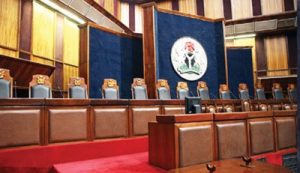
    Nigeria operates a federal judicial system based on the common law tradition, influenced by English law, customary law, and Islamic law (Sharia in some states). The court structure is divided into federal and state courts, with different levels of authority.


    1. Supreme Court of Nigeria 🏛️

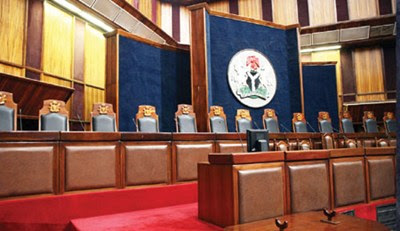
    • Highest court in Nigeria with final authority on all legal matters.
    • Located in Abuja.
    • Decisions are binding on all lower courts.
    • Led by: Chief Justice of Nigeria (CJN).

    Powers:

    ✅ Final appellate court for civil, criminal, and constitutional cases.
    ✅ Interprets the Constitution of Nigeria.
    ✅ Handles disputes between federal and state governments.
    ✅ Reviews decisions of the Court of Appeal.


    2. Court of Appeal ⚖️

    • Second-highest court in Nigeria.
    • Has multiple divisions across Nigeria.
    • Led by: President of the Court of Appeal.

    Powers:

    ✅ Hears appeals from lower courts (Federal High Court, State High Courts, Sharia Court of Appeal, Customary Court of Appeal, etc.).
    ✅ Can overturn, uphold, or modify decisions of lower courts.


    3. Federal High Court ⚖️

    • Handles federal matters involving the government, agencies, and federal laws.
    • Has divisions in various states.
    • Led by: Chief Judge of the Federal High Court.

    Powers:

    ✅ Handles cases on revenue, taxation, banking, patents, and federal crimes.
    ✅ Jurisdiction over maritime, customs, immigration, and copyright cases.
    ✅ Hears cases involving federal agencies like the EFCC, NAFDAC, and NCC.


    4. State High Courts ⚖️

    • Operates in each of Nigeria’s 36 states and the FCT (Federal Capital Territory).
    • Led by: Chief Judge of the State.

    Powers:

    ✅ Has general jurisdiction over civil and criminal matters.
    ✅ Hears appeals from lower state courts (Magistrate, Customary, and Area Courts).
    ✅ Handles constitutional matters at the state level.


    5. National Industrial Court (NIC) ⚖️

    • Handles labor and employment disputes.
    • Led by: President of the National Industrial Court.

    Powers:

    ✅ Resolves disputes between employers and employees.
    ✅ Deals with cases involving trade unions, wages, and workplace discrimination.
    ✅ Handles cases relating to workplace injuries and industrial relations.


    6. Sharia Court of Appeal ⚖️ (For Islamic Law Cases in Northern States)

    • Exists in states practicing Sharia law (mostly in northern Nigeria).
    • Led by: Grand Kadi.

    Powers:

    ✅ Handles appeals on Islamic personal law cases.
    ✅ Jurisdiction over marriage, divorce, inheritance, and endowment (waqf) under Islamic law.


    7. Customary Court of Appeal ⚖️ (For Traditional Laws)

    • Exists in states that recognize customary laws.
    • Led by: President of the Customary Court of Appeal.

    Powers:

    ✅ Hears appeals on traditional/customary law cases.
    ✅ Deals with marriage, land disputes, and inheritance under customary law.


    8. Magistrate Courts & District Courts ⚖️ (Lower Courts)

    • Handles minor civil and criminal cases.
    • Led by: Magistrates.

    Powers:

    ✅ Handles small claims, minor theft, and landlord-tenant disputes.
    ✅ Can impose fines and short-term jail sentences.
    ✅ Hears preliminary cases before they go to higher courts.


    9. Area Courts (For Islamic & Customary Law in Some States)

    • Found in northern Nigeria and some customary law regions.
    • Led by: Judges called Alkalis (Islamic) or Customary Court Judges.

    Powers:

    ✅ Handles family disputes, land matters, and local issues.
    ✅ Uses customary and Islamic laws to settle cases.


    Conclusion 🏛️

    • Supreme Court → Final authority on all legal matters.
    • Court of Appeal → Hears appeals from lower courts.
    • Federal & State High Courts → Handle complex cases at federal and state levels.
    • National Industrial Court → Handles labor-related disputes.
    • Sharia & Customary Courts → Deal with Islamic and traditional law matters.
    • Magistrate & Area Courts → Handle minor cases and local disputes.
  • Afro-Caribbean Nations with Train Transportation

    Afro-Caribbean Nations with Train Transportation 🚆

    Train transportation is not widespread in the Caribbean due to the geography of the islands, but some nations historically and currently operate railway systems. In Africa, several countries have extensive railway networks for passenger and freight transport.


    1. African Nations with Rail Transport 🌍

    Many African countries have active railway systems for passenger and cargo transport, including:

    🚆 Nigeria 🇳🇬

    • Nigerian Railway Corporation (NRC) operates passenger and freight trains.
    • Major routes: Lagos–Ibadan, Abuja–Kaduna, and Warri–Itakpe.

    🚆 South Africa 🇿🇦

    • One of the most developed rail networks in Africa.
    • Gautrain (high-speed rail) and Transnet Freight Rail.

    🚆 Egypt 🇪🇬

    • One of the oldest railway systems in Africa (since 1854).
    • High-speed rail project linking Cairo–Alexandria–Aswan.

    🚆 Kenya 🇰🇪

    • Standard Gauge Railway (SGR) links Mombasa and Nairobi.
    • Operated by Kenya Railways Corporation.

    🚆 Morocco 🇲🇦

    • Al Boraq: First high-speed train in Africa, running from Casablanca to Tangier.

    🚆 Ethiopia 🇪🇹

    • Ethiopia-Djibouti Railway connects Addis Ababa to Djibouti.
    • One of the most modern electric railways in Africa.

    Other African nations with rail transport:
    ✅ Ghana 🇬🇭
    ✅ Tanzania 🇹🇿
    ✅ Sudan 🇸🇩
    ✅ Senegal 🇸🇳
    ✅ Zambia 🇿🇲
    ✅ Ivory Coast 🇨🇮


    2. Caribbean Nations with Train Transport 🌴🚆

    Although most Caribbean islands do not have large railway systems, a few have historic railways or modern tourist trains.

    🚆 Cuba 🇨🇺

    • Only Caribbean country with an extensive railway system.
    • Cuban National Railway operates passenger and freight trains.
    • Major routes: Havana to Santiago de Cuba.

    🚆 Dominican Republic 🇩🇴

    • Has a Santo Domingo Metro, the only full metro system in the Caribbean.
    • Operates a light railway system for sugar plantations.

    🚆 Jamaica 🇯🇲

    • Had a historical railway system (closed in 1992).
    • Recently revived a commuter rail service in 2011.

    🚆 Saint Kitts & Nevis 🇰🇳

    • Operates the St. Kitts Scenic Railway (tourist train around the island).

    🚆 Trinidad & Tobago 🇹🇹

    • Had a rail system for sugar and goods transport, closed in the 1960s.

    Conclusion

    • Africa has extensive modern and high-speed trains in countries like Nigeria, South Africa, Egypt, and Morocco.
    • Cuba and the Dominican Republic have the most functional railway networks in the Caribbean.
    • Jamaica and Saint Kitts & Nevis maintain tourist trains.