Category: HISTORY

  • Several Afro-Caribbean medical practitioners have made significant contributions to medicine, both historically and in modern times

    Several Afro-Caribbean medical practitioners have made significant contributions to medicine, both historically and in modern times


    Several Afro-Caribbean medical practitioners have made significant contributions to medicine, both historically and in modern times. Here are some notable figures:

    1. Dame Elizabeth Anionwu (Born 1947 – UK/Nigeria)

    • Specialty: Nursing, Sickle Cell Research
    • A British-born nurse of Afro-Caribbean and Nigerian descent, she pioneered the UK’s first sickle cell and thalassemia screening and counseling center.

    2. Dr. Harold Moody (1882–1947 – Jamaica/UK)

    • Specialty: General Medicine, Civil Rights Activism
    • Born in Jamaica, he moved to the UK and became a doctor despite racial discrimination. He later founded the League of Coloured Peoples, advocating for racial equality in medicine and society.

    3. Dr. Kenneth Standard (1920–2004 – Barbados)

    • Specialty: Public Health
    • A leading Caribbean public health expert, he played a key role in shaping health policies in the region and improving access to healthcare.

    4. Dr. Paul Stephenson (Born 1937 – UK/St. Vincent & the Grenadines)

    • Specialty: Public Health & Civil Rights Activism
    • A British-born doctor of Caribbean descent who fought against racial discrimination in healthcare and public services.

    5. Dr. Louis Wade Sullivan (Born 1933 – USA/Caribbean heritage)

    • Specialty: Hematology, Health Policy
    • Served as the U.S. Secretary of Health and Human Services (1989-1993) and was instrumental in addressing racial disparities in healthcare.

    6. Dr. Alric Bishop (Trinidad & Tobago)

    • Specialty: Obstetrics & Gynecology
    • A well-respected doctor who worked to improve maternal healthcare in the Caribbean.

    7. Professor Celia Christie-Samuels (Jamaica)

    • Specialty: Pediatric Infectious Diseases
    • A leading researcher in child health and infectious diseases, particularly in HIV/AIDS and neonatal care in the Caribbean.


  • Skepta: Full Name, Origin, Nigerian Title, Net Worth, Kids & More

    Skepta: Full Name, Origin, Nigerian Title, Net Worth, Kids & More


    Skepta: Full Name, Origin, Nigerian Title, Net Worth, Kids & More

    1. Full Name & Background

    • Full Name: Joseph Junior Adenuga Jr.
    • Born: September 19, 1982
    • Birthplace: Tottenham, London, UK
    • Ethnicity & Origin: Yoruba (Nigerian-British); parents are from Ogun State, Nigeria

    2. Music Career & Achievements

    • One of the pioneers of grime music in the UK
    • Albums include “Konnichiwa” (2016), “Ignorance Is Bliss” (2019), “All In” (2021)
    • Won Mercury Prize (2016) for Konnichiwa
    • Collaborated with artists like Drake, Wizkid, A$AP Rocky, and Boy Better Know (BBK)

    3. Nigerian Chieftaincy Title

    • In April 2018, Skepta was honored with the title “Chief Amuludun of Odo-Aje” in Ogun State, Nigeria
    • Amuludun means “one who brings joy” in Yoruba

    4. Net Worth

    • Estimated net worth: $5–$7 million (as of 2024)
    • Income sources: Music sales, brand collaborations, fashion (Mains clothing brand), real estate, and endorsements

    5. Kids & Personal Life

    • Has a daughter named River, born in 2018
    • Rumored relationships with Naomi Campbell and other celebrities
    • Keeps personal life private but has spoken about fatherhood in interviews
  • Akon: Life, Music, Education, Jail & More

    Akon: Life, Music, Education, Jail & More


    Akon: Life, Music, Education, Jail & More

    1. Early Life & Background

    • Full Name: Aliaune Damala Badara Akon Thiam
    • Born: April 16, 1973 (or 1977, as some sources claim) in St. Louis, Missouri, USA
    • Heritage: Senegalese-American (Parents from Senegal)
    • Raised in: Both Senegal and the United States (New Jersey)

    2. Music Career & Rise to Fame

    • Gained fame with his debut album “Trouble” (2004), featuring hits like “Locked Up” and “Lonely”
    • Second album, “Konvicted” (2006), included global hits like “Smack That” (feat. Eminem) and “Don’t Matter”
    • Collaborated with artists like Michael Jackson, Eminem, Snoop Dogg, Lady Gaga, T-Pain, and David Guetta
    • Founded Konvict Muzik, a label that helped launch the careers of Lady Gaga and T-Pain

    3. Jail & Controversies

    • Jail Time?
      • Akon has claimed he spent three years in jail for running a car theft ring, which inspired his hit “Locked Up”
      • However, later investigations found no criminal records proving he served time in prison
      • Some believe the “jail time” was exaggerated for publicity

    4. Education

    • Attended William L. Dickinson High School in New Jersey
    • Briefly enrolled in Clark Atlanta University but dropped out to focus on music

    5. Business Ventures & Philanthropy

    • Founded Akon Lighting Africa, which provides solar power to African communities
    • Working on Akon City, a futuristic smart city in Senegal based on cryptocurrency (Akoin)
    • Owns Konvict Clothing and has investments in real estate, music, and cryptocurrency

    6. Recent Music & Activities

    • Released “Ain’t No Peace” (2020), an album addressing social justice issues
    • Continues to work on business ventures in Africa, focusing on sustainability and development


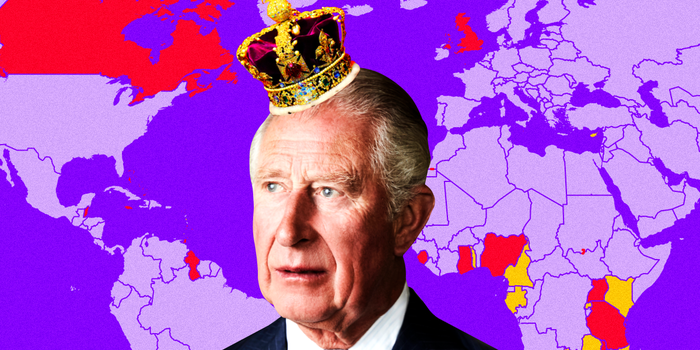
  • Caribbean Nations Recognizing the British Monarch (King Charles III) as Head of State

    Caribbean Nations Recognizing the British Monarch (King Charles III) as Head of State


    As of today, no Afro-Caribbean nations are governed by a reigning queen. However, some Caribbean nations still recognize the British monarch as their head of state under a constitutional monarchy system.

    Caribbean Nations Recognizing the British Monarch (King Charles III) as Head of State

    These nations are former British colonies and are part of the Commonwealth realm, meaning they still recognize the King of the United Kingdom (Charles III) as their monarch:

    1. Antigua and Barbuda
    2. The Bahamas
    3. Barbados (until 2021, now a republic)
    4. Belize
    5. Grenada
    6. Jamaica
    7. Saint Kitts and Nevis
    8. Saint Lucia
    9. Saint Vincent and the Grenadines

    Important Notes:

    • Barbados became a republic in 2021, removing the British monarch as head of state.
    • There are ongoing discussions in Jamaica, The Bahamas, and Antigua and Barbuda about becoming republics.
    • The British monarch is a ceremonial head of state, meaning these countries are self-governing, but they still acknowledge the King symbolically.
  • nations in the world governed by reigning queens


    As of today, there are three sovereign nations in the world governed by reigning queens:

    1. United Kingdom (and Commonwealth Realms) – Queen Camilla does NOT rule

    • Monarch: King Charles III (Queen Camilla is consort, not a ruler).
    • The UK is a constitutional monarchy, meaning the monarch’s powers are limited.

    2. Denmark – Queen Margrethe II (until January 2024)

    • Monarch: Queen Margrethe II (1972–2024)
    • However, she abdicated on January 14, 2024, in favor of her son, King Frederik X.

    3. Spain – Queen Letizia is NOT a ruler

    • Spain is a constitutional monarchy, but King Felipe VI is the monarch.
    • Queen Letizia is consort, meaning she has no ruling power.

    As of 2024, NO country is governed by a reigning queen.

    However, in the past, several powerful queens ruled, such as Queen Elizabeth II of the UK and Queen Wilhelmina of the Netherlands.

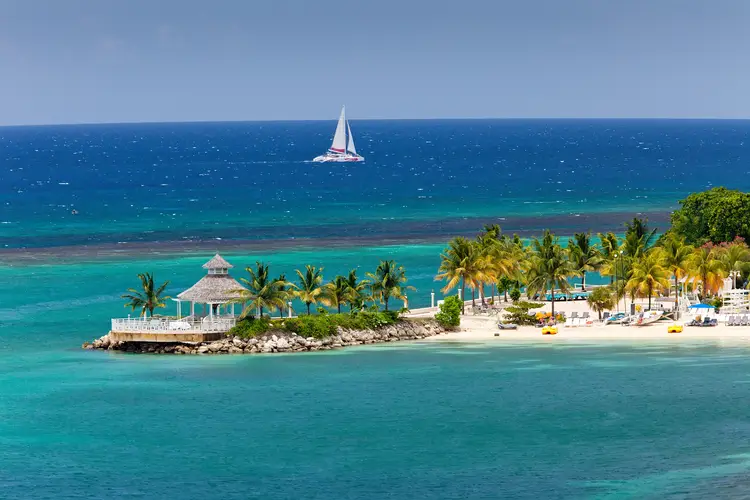
  • most affordable places to live in Afro-Caribbean nations based on housing, food, transportation, and overall cost of living:

    most affordable places to live in Afro-Caribbean nations based on housing, food, transportation, and overall cost of living:


    The Afro-Caribbean nations offer a mix of affordability, rich culture, and beautiful environments. Here are some of the most affordable places to live in Afro-Caribbean nations based on housing, food, transportation, and overall cost of living:

    1. Santo Domingo, Dominican Republic

    • One of the most affordable Caribbean capitals.
    • Low rent and food costs compared to other Caribbean nations.
    • Good infrastructure, healthcare, and transportation.

    2. Santiago de los Caballeros, Dominican Republic

    • Cheaper than Santo Domingo with a relaxed lifestyle.
    • Affordable housing and cost of living.
    • Good access to healthcare and education.

    3. Port-au-Prince, Haiti (Cheaper but challenging)

    • Lower rent compared to other Caribbean nations.
    • Affordable food and local markets.
    • Security and infrastructure can be a concern.

    4. Kingston, Jamaica (Suburban areas are more affordable)

    • Some areas, like Spanish Town and Portmore, offer affordable housing.
    • Cheap local food and vibrant culture.
    • Public transport is relatively inexpensive.

    5. Montego Bay, Jamaica

    • Lower cost of living than Kingston.
    • Beautiful coastal environment with a laid-back lifestyle.
    • Affordable fresh food and local markets.

    6. Fort-de-France, Martinique

    • Affordable compared to other French Caribbean territories.
    • Access to European-style infrastructure and healthcare.
    • Cost of living is moderate but lower than Guadeloupe or St. Barts.

    7. Castries, Saint Lucia

    • Affordable housing and utilities.
    • Local food is cheap, especially fresh produce and seafood.
    • Peaceful and welcoming atmosphere.

    8. Roseau, Dominica

    • One of the cheapest Caribbean islands to live on.
    • Low rent and cost of food.
    • Strong eco-friendly lifestyle and low population density.

    9. St. George’s, Grenada

    • Affordable rent compared to other Caribbean islands.
    • Cheap local food and public transport.
    • Beautiful beaches and a relaxed lifestyle.

    10. Basseterre, St. Kitts & Nevis

    • More affordable than many other Caribbean islands.
    • Low taxes and cost of living.
    • Small but peaceful community with growing opportunities.
  • low cost of living ,most affordable places to live in Africa

    low cost of living ,most affordable places to live in Africa


    Africa has many cities with a low cost of living, affordable housing, and good amenities. Here are some of the most affordable places to live in Africa based on rent, food, transportation, and overall living costs:

    1. Windhoek, Namibia

    • Affordable rent and daily expenses.
    • Good road network and infrastructure.
    • Peaceful and safe compared to many African cities.

    2. Lusaka, Zambia

    • Low rent and cost of food.
    • Good access to education and healthcare.
    • Friendly business environment for entrepreneurs.

    3. Fez, Morocco

    • Cheap housing and utilities.
    • Rich in history and culture.
    • Affordable food and public transportation.

    4. Addis Ababa, Ethiopia

    • Reasonable cost of rent and food.
    • Growing economy with job opportunities.
    • Stable security and infrastructure.

    5. Kampala, Uganda

    • Cheap rent and local food.
    • Low transport costs.
    • Good business opportunities, especially for small-scale entrepreneurs.

    6. Blantyre, Malawi

    • Affordable housing and low living costs.
    • Peaceful and welcoming environment.
    • Low population density, making it less congested.

    7. Gaborone, Botswana

    • Low taxes and affordable housing.
    • Politically stable with a growing economy.
    • Good healthcare and education system.

    8. Dar es Salaam, Tanzania

    • Affordable food and transportation.
    • Cheap housing in suburban areas.
    • Coastal city with access to beaches and tourism.

    9. Ouagadougou, Burkina Faso

    • One of the cheapest capitals in Africa.
    • Low cost of rent and public transport.
    • Simple and peaceful lifestyle.

    10. Antananarivo, Madagascar

    • Extremely cheap cost of living.
    • Affordable housing, food, and transport.
    • Beautiful environment with a relaxed lifestyle.
  • most affordable places to live in Nigeria

    most affordable places to live in Nigeria


    Nigeria has several cities and neighborhoods that offer affordable living while maintaining decent infrastructure, security, and access to amenities. Here are some of the most affordable places to live in Nigeria:

    1. Ibadan, Oyo State

    • One of the cheapest cities in Nigeria.
    • Affordable housing, food, and transportation.
    • Good road network and growing infrastructure.
    • Ideal for students, professionals, and retirees.

    2. Abeokuta, Ogun State

    • Low cost of living compared to Lagos.
    • Affordable rent and basic utilities.
    • Less traffic congestion.
    • Close proximity to Lagos for those who work there.

    3. Ilorin, Kwara State

    • Low-cost housing and cheap food.
    • Electricity and water supply are relatively stable.
    • Peaceful and good for families.

    4. Akure, Ondo State

    • Affordable rent and daily expenses.
    • Good road network and developing infrastructure.
    • Low population density compared to bigger cities.

    5. Osogbo, Osun State

    • Cheap housing and cost of living.
    • Peaceful and slow-paced, ideal for retirees.
    • Growing economy with job opportunities.

    6. Enugu, Enugu State

    • Affordable accommodation in suburban areas.
    • Good access to markets, schools, and hospitals.
    • Clean and serene environment.

    7. Uyo, Akwa Ibom State

    • Well-planned city with cheap rent.
    • Good road network and access to social amenities.
    • Emerging business and job opportunities.

    8. Kaduna, Kaduna State

    • Low-cost housing and cheap food.
    • Good for entrepreneurs due to business-friendly policies.
    • Offers good access to education and healthcare.

    9. Minna, Niger State

    • Cheap accommodation and low transport costs.
    • Peaceful and less congested.
    • Suitable for people looking for a quiet lifestyle.

    10. Jos, Plateau State

    • Low rent and cost of living.
    • Beautiful weather and peaceful environment.
    • Agricultural hub, making food very affordable.


  • most visited places in Lagos by foreigners

    most visited places in Lagos by foreigners


    Lagos, Nigeria, is a vibrant city with a mix of cultural, historical, and modern attractions that attract foreigners. Here are some of the most visited places in Lagos by foreigners:

    1. Landmark Beach & Landmark Leisure

    A popular private beach with entertainment, restaurants, and water sports, attracting expatriates and tourists.

    2. Nike Art Gallery

    One of the largest art galleries in West Africa, featuring stunning African artworks and cultural pieces.

    3. Lekki Conservation Centre

    A nature reserve with the longest canopy walkway in Africa, home to monkeys, birds, and lush greenery.

    4. Tarkwa Bay Beach

    A serene island beach accessible by boat, offering a peaceful retreat from the city’s hustle.

    5. National Museum Lagos

    A must-visit for history lovers, showcasing Nigeria’s rich history, including Benin bronzes and ancient artifacts.

    6. Freedom Park

    A historic park that was formerly a colonial prison, now a cultural and entertainment hub with live music and events.

    7. Terra Kulture

    A center for Nigerian arts, theater, books, and food, attracting cultural enthusiasts.

    8. Elegushi Beach

    A lively beach known for its nightlife, horse riding, and local entertainment.

    9. Balogun Market

    One of the biggest markets in Lagos, where foreigners explore local textiles, fabrics, and Nigerian fashion.

    10. Banana Island

    An upscale neighborhood home to the elite, expatriates, and celebrities, known for its luxury real estate and lifestyle.

  • Here is a list of Uganda’s presidents from independence in 1962 to the present

    Here is a list of Uganda’s presidents from independence in 1962 to the present


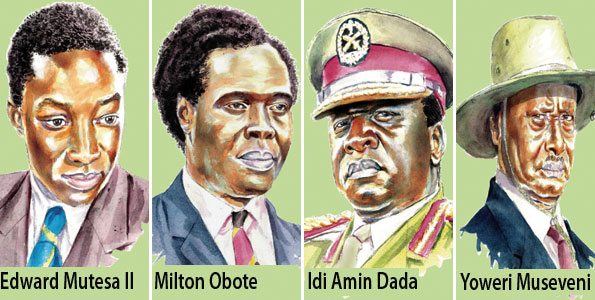
    Here is a list of Uganda’s presidents from independence in 1962 to the present:


    1. Sir Edward Mutesa II (1963–1966)

    • First president after Uganda became a republic in 1963.
    • Was also the Kabaka (King) of Buganda.
    • Overthrown by Prime Minister Milton Obote in 1966.

    2. Milton Obote (1966–1971)

    • Suspended the 1962 constitution and declared himself executive president.
    • Established a one-party state under the Uganda People’s Congress (UPC).
    • Overthrown in a military coup by Idi Amin in 1971.

    3. Idi Amin (1971–1979)

    • Ruled as a military dictator after overthrowing Obote.
    • His regime was marked by widespread human rights abuses and economic collapse.
    • Overthrown in 1979 by Ugandan exiles backed by Tanzania.

    4. Yusuf Lule (1979, April–June)

    • Led a transitional government after Amin’s ousting.
    • Removed after just 68 days in office due to disagreements with the ruling commission.

    5. Godfrey Binaisa (1979–1980)

    • Another transitional president.
    • Removed by the military after less than a year in power.

    6. Paul Muwanga (1980, May–December)

    • Served as acting president before organizing controversial elections.

    7. Milton Obote (1980–1985) (Second Term)

    • Returned to power through elections in 1980.
    • His rule was marred by civil war and the brutal repression of opposition groups.
    • Overthrown in a military coup in 1985.

    8. Tito Okello (1985–1986)

    • Military general who led the coup against Obote.
    • Ruled for only six months before being ousted by Yoweri Museveni’s National Resistance Army (NRA).

    9. Yoweri Museveni (1986–Present)

    • Took power in 1986 after a five-year bush war.
    • Introduced economic reforms and relative stability.
    • Has remained in power through constitutional changes and elections.
    • Re-elected multiple times, with opposition accusing him of electoral fraud and repression.

    Current President: Yoweri Museveni (1986–Present)

    Museveni is one of the longest-serving leaders in Africa, having ruled Uganda for over 38 years.