Category: HISTORY

  • At just 6 Years Old, Declan Lopez From Rockaway Township Youngest Members of Mensa

    At just 6 Years Old, Declan Lopez From Rockaway Township Youngest Members of Mensa


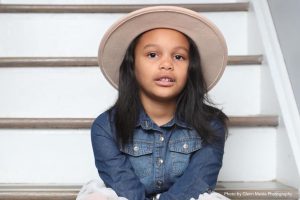
    At just 6 years old, Declan Lopez from Rockaway Township, New Jersey, has been recognized for her exceptional intelligence. With an IQ of 138—comparable to Albert Einstein’s—she became one of the youngest members of Mensa, an international society for individuals with high intelligence quotients.

    Declan’s parents noticed her advanced abilities early on; at 18 months, she surprised them by counting in Mandarin during an airport trip. By kindergarten, she was reading at a third or fourth-grade level and expressed keen interest in subjects like arts, science, math, and geography.

    To nurture her talents while ensuring she enjoys childhood, her parents provide an activity chart to keep her intellectually stimulated. They emphasize the importance of allowing her to laugh, make mistakes, and engage in typical 6-year-old activities. Additionally, her younger brother, Maddox, shows signs of similar giftedness, suggesting that brilliance might run in the family.
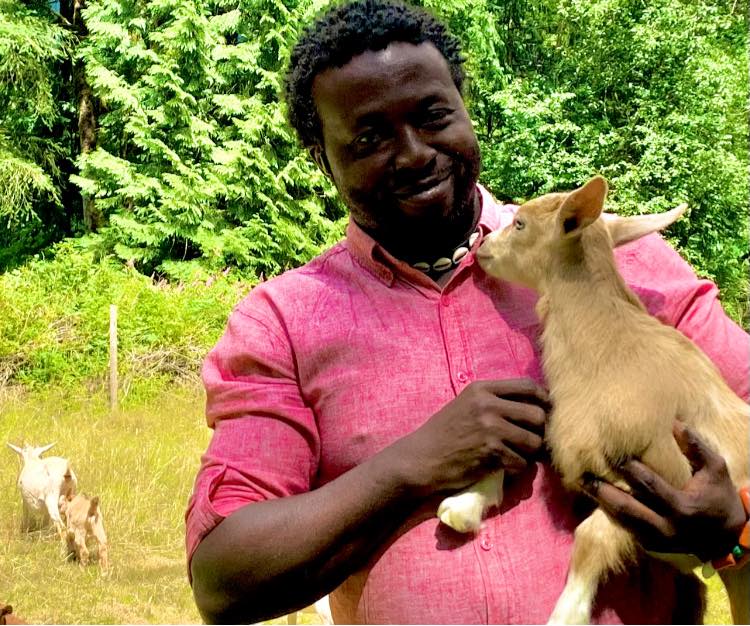
  • Toyin Kayo-Ajayi, widely known as TK Ajayi, is a Nigerian-Canadian entrepreneur, farmer, business consultant, mentor, music enthusiast, and advocate for food sovereignty.

    Toyin Kayo-Ajayi, widely known as TK Ajayi, is a Nigerian-Canadian entrepreneur, farmer, business consultant, mentor, music enthusiast, and advocate for food sovereignty.


    Toyin Kayo-Ajayi, widely known as TK Ajayi, is a Nigerian-Canadian entrepreneur, farmer, business consultant, mentor, music enthusiast, and advocate for food sovereignty.

    Background and Career:

    • Early Life: Originally from Nigeria, Mr. Kayo-Ajayi began farming with his grandfather at the age of five, learning traditional African agricultural practices.

    • Agricultural Pursuits in Canada: After relocating to Canada, he ventured into dairy farming, acquiring extensive knowledge of Canadian farming methods and the agricultural business landscape. With over 15 years of experience, he has been mentoring Black farmers to enter the Canadian agriculture industry and guiding his community in various business ventures.

    Community Engagement:

    • Kara-Kata Afrobeat Society of Canada: Mr. Kayo-Ajayi founded this non-profit organization to promote African culture through art, music, and community outreach. The society aims to create long-term sustainability for the health and well-being of the Black community in Canada by offering art and culture programs, community outreach, and business mentorships.

    • Music Contributions: As a music enthusiast, TK Ajayi has released several songs, including “Mo Mo Ri Ri Re” and “Iwo Lo To Si,” showcasing his passion for Afrobeat music.

    Advocacy for Diversity in Agriculture:

    Mr. Kayo-Ajayi is a prominent advocate for increasing diversity within Canada’s agricultural sector. He highlights the underrepresentation of Black farmers in Canada, noting that only 0.2% of farmers are Black. Through mentorship and community initiatives, he strives to inspire more individuals from diverse backgrounds to engage in agriculture, thereby promoting food sovereignty and sustainability.

    Through his multifaceted endeavors, TK Ajayi continues to make significant contributions to agriculture, community development, and cultural preservation in Canada

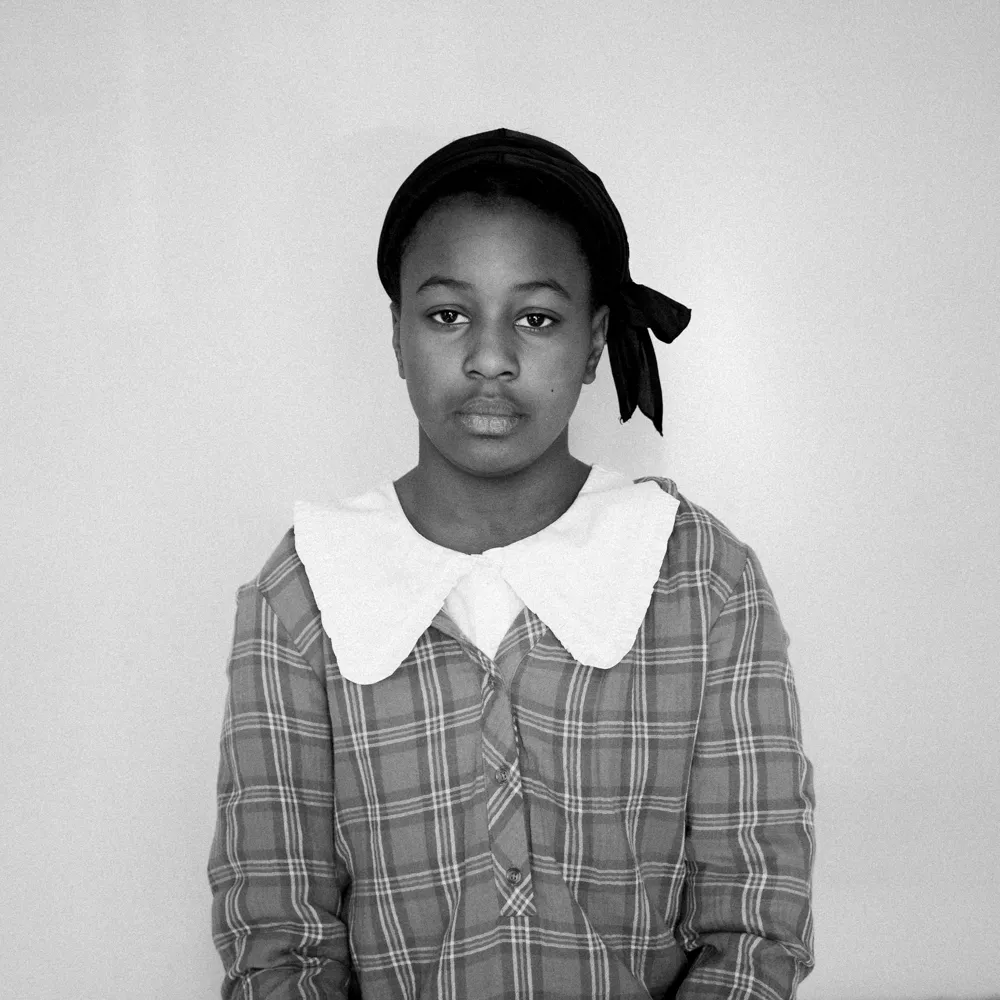
  • Sarah Rector (1902–1967) was an African American girl who became one of the wealthiest Black children in America at the age of 11 due to oil discovered on land she owned.

    Sarah Rector (1902–1967) was an African American girl who became one of the wealthiest Black children in America at the age of 11 due to oil discovered on land she owned.

    Sarah Rector (1902–1967) was an African American girl who became one of the wealthiest Black children in America at the age of 11 due to oil discovered on land she owned.

    Key Facts About Sarah Rector:
    Born: March 3, 1902, in Indian Territory (now Oklahoma).
    Background: She was a member of the Muscogee (Creek) Nation and, as part of the Dawes Act, was granted land in Oklahoma.
    Oil Discovery: In 1913, oil was found on her land, and she began earning over $300 a day (equivalent to millions today).
    Wealth & Status: She became a millionaire and was widely referred to as “the richest Black girl in America.”
    Guardianship Issues: Because of her wealth, Oklahoma authorities attempted to reassign her guardianship to white guardians, as Black people were often seen as unfit to manage large sums of money.
    Later Life: She moved to Kansas City, Missouri, lived a wealthy life, and later became involved in Black business and community activities.
    Death: She passed away on July 22, 1967.
    Her story is a powerful example of Black wealth and resilience in early 20th-century America

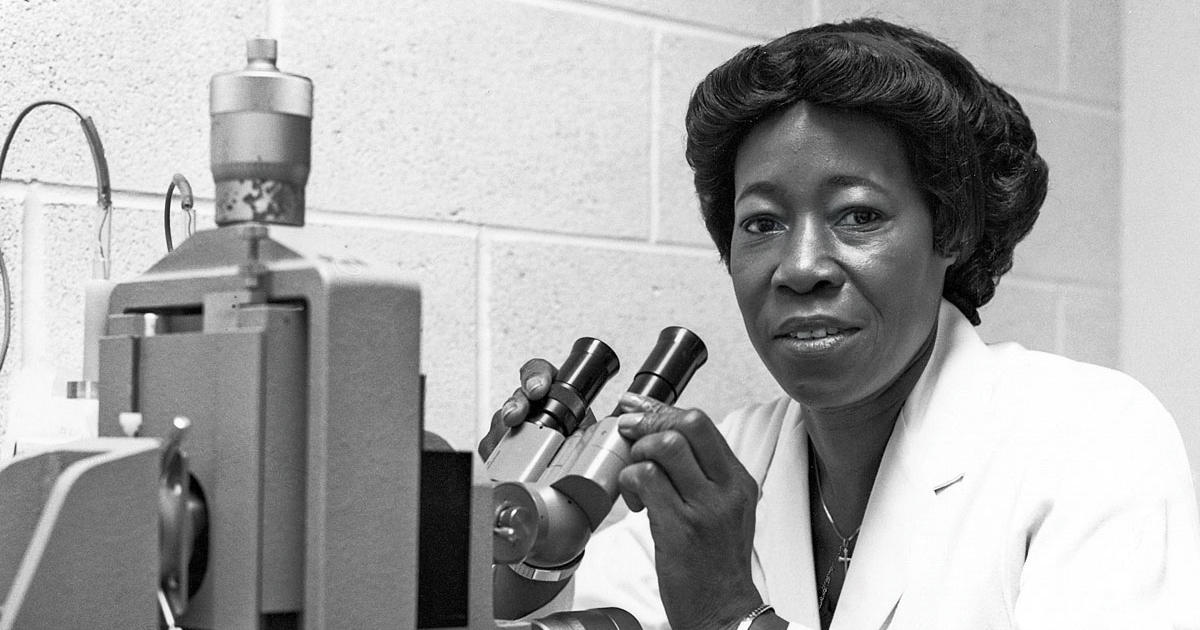
  • Bettye Washington Greene first African American female Ph.D. chemist to work at Dow Chemical Company

    Bettye Washington Greene first African American female Ph.D. chemist to work at Dow Chemical Company


    Bettye Washington Greene (1935–1995) was a pioneering chemist who became the first African American female Ph.D. chemist to work at Dow Chemical Company in 1965.

    Key Achievements:

    • Earned her Ph.D. in Physical Chemistry from Wayne State University in 1965.
    • Specialized in latex and polymer chemistry, contributing to advancements in coatings, paints, and synthetic materials.
    • Worked at Dow Chemical Company, where she conducted groundbreaking research in colloid and latex chemistry.
    • Her work helped improve the performance of coatings, adhesives, and other industrial materials.
    • A role model for women and African Americans in STEM, paving the way for greater diversity in scientific fields.

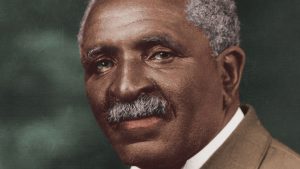
  • George Washington Carver scientist, inventor, and educator best known for his work in agriculture and crop rotation.


    George Washington Carver (1864–1943) was a pioneering scientist, inventor, and educator best known for his work in agriculture and crop rotation.

    Key Achievements:

    • Born into slavery during the Civil War but overcame significant obstacles to pursue education.
    • Became a botanist and agricultural scientist, dedicating his life to helping poor farmers, especially in the South.
    • Developed and promoted crop rotation techniques, encouraging farmers to plant peanuts, sweet potatoes, and other crops to restore soil health after cotton depleted nutrients.
    • Created over 300 peanut-based products (but did not invent peanut butter!). He also developed over 100 products from sweet potatoes.
    • Worked at Tuskegee Institute for over 40 years, educating and mentoring Black students.
    • Advised President Theodore Roosevelt and other leaders on agricultural policies.

    Carver’s contributions went beyond science—he was an advocate for education, sustainability, and economic independence for African Americans.

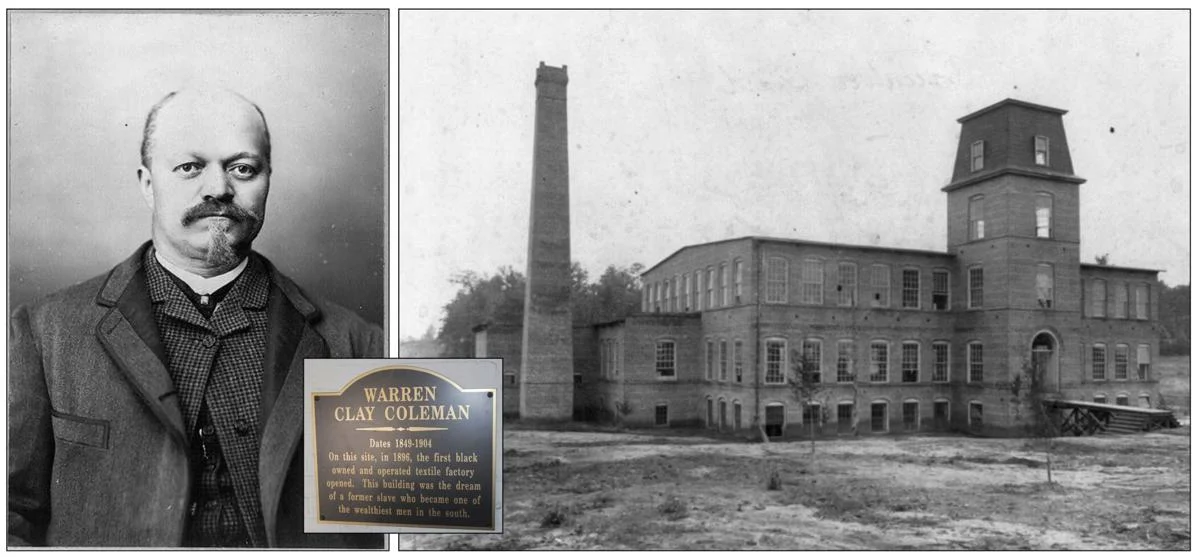
  • Warren C. Coleman the first Black-owned and operated textile mill in the United States

    Warren C. Coleman the first Black-owned and operated textile mill in the United States


    Warren C. Coleman (1849–1904) was an African American businessman and entrepreneur, best known for founding the first Black-owned and operated textile mill in the United States.

    Key Achievements:

    • Born in Concord, North Carolina, to an enslaved mother and a white father.
    • Became a successful entrepreneur, owning multiple businesses, including real estate, retail, and manufacturing.
    • In 1897, he established the Coleman Manufacturing Company, the first Black-owned cotton mill, with investments from African Americans across the U.S.
    • His textile mill in Concord, NC, aimed to provide economic opportunities for Black workers, but it faced financial struggles and was later taken over by white investors.

    Despite challenges, Coleman’s legacy represents Black economic empowerment and resilience during the post-Reconstruction era.

  • Henry Blair (1807–1860) was an African American inventor known for being the second Black person to receive a U.S. patent

    Henry Blair (1807–1860) was an African American inventor known for being the second Black person to receive a U.S. patent

    Henry Blair (1807–1860) was an African American inventor known for being the second Black person to receive a U.S. patent, despite being born into slavery or as a free Black man (records are unclear).

    Key Inventions & Achievements:

    • Corn Planter (1834, Patent No. 8447X): A mechanical device that allowed farmers to plant corn more efficiently by reducing manual labor.
    • Cotton Planter (1836, Patent No. 15,694): A device designed to make planting cotton easier, helping increase agricultural productivity.
    • Notable Fact: Blair’s patents were issued before Black inventors were legally required to prove their free status (as enslaved individuals couldn’t hold patents).

    Though little is known about his personal life, his innovations significantly impacted farming and agriculture in the 19th century.

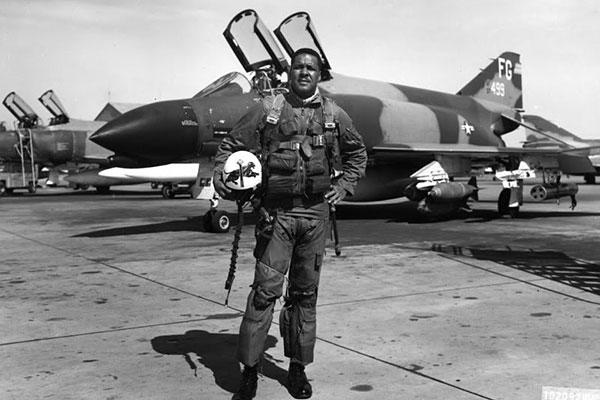
  • General Daniel “Chappie” James Jr. (1920–1978) was a trailblazing U.S. Air Force officer and the first African American four-star general in U.S. military history.

    General Daniel “Chappie” James Jr. (1920–1978) was a trailblazing U.S. Air Force officer and the first African American four-star general in U.S. military history.


    General Daniel “Chappie” James Jr. (1920–1978) was a trailblazing U.S. Air Force officer and the first African American four-star general in U.S. military history.

    Key Facts About Chappie James Jr.:

    • World War II & Tuskegee Airmen: Though he trained with the legendary Tuskegee Airmen, he didn’t see combat in WWII due to racial restrictions at the time.
    • Korean & Vietnam Wars: He flew over 100 combat missions in the Korean War and later served as a fighter pilot in Vietnam, commanding air operations.
    • First Black Four-Star General: In 1975, he became the first African American to achieve the rank of four-star general in any U.S. military branch.
    • Notable Leadership: He served as Commander-in-Chief of NORAD (North American Aerospace Defense Command), overseeing U.S. and Canadian air defense.
    • Legacy: A symbol of perseverance and excellence, he broke racial barriers in the military and paved the way for future African American leaders in the armed forces.

  • Bessie Coleman – first African American and Native American woman to earn a pilot’s license.

    Bessie Coleman – first African American and Native American woman to earn a pilot’s license.


    Bessie Coleman (1892–1926) was a pioneering aviator and the first African American and Native American woman to earn a pilot’s license. Because of racial and gender discrimination in the U.S., she had to go to France to earn her license in 1921 from the Fédération Aéronautique Internationale.

    Nicknamed “Queen Bess”, she became famous for her daring stunt flying and aerial performances. She dreamed of opening a flight school for Black pilots, inspiring many despite the racial barriers of her time. Tragically, she died in a plane accident in 1926, but her legacy continues to inspire future generations in aviation and beyond.

  • Thomas Moorehead – first African American Rolls-Royce dealer in the United States.

    Thomas Moorehead – first African American Rolls-Royce dealer in the United States.


    Thomas Moorehead is a trailblazer in the automotive industry, known for being the first African American Rolls-Royce dealer in the United States.

    He made history when he acquired a Rolls-Royce dealership in Sterling, Virginia, in 2013, becoming the first Black person to own a Rolls-Royce franchise in the country. Moorehead is also the owner of a BMW and MINI dealership, and his success in the luxury car business has been widely recognized.

    Beyond his business achievements, Moorehead is known for his philanthropy, particularly in education and community development. His story is an inspiration, showcasing perseverance and breaking barriers in an industry where minority ownership is rare.